
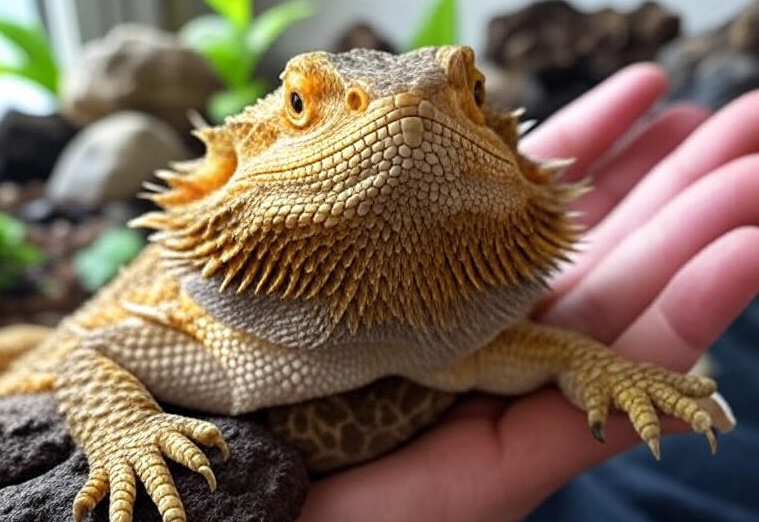
Bearded dragons, with their captivating charm and desert heritage from Australia, are rewarding pets whose health and happiness depend on meeting animal welfare standards. These reptiles require the right environment, diet, and care to thrive in captivity, expressing natural behaviors while avoiding stress or illness. Whether you’re a new owner or refining your approach, understanding these standards creates a safe, enriching home. Drawing from extensive reptile care expertise and veterinary insights, this guide offers practical tips. Begin now to ensure your dragon’s well-being.
This article covers housing/environment, nutrition/diet, health monitoring, ethical/legal considerations, and conclusion. Start today to uphold welfare standards.
Disclosure: This post contains affiliate links. I may earn a small commission from purchases made through these links at no additional cost to you (#CommissionsEarned).
Proper Housing and Environment
Animal welfare standards begin with a suitable bearded dragon enclosure, offering a 120cm x 60cm x 60cm vivarium for one adult to enable movement, climbing, and hiding, per a 2023 Journal of Exotic Pet Medicine study (https://doi.org/10.1016/j.jepm.2023.03.001). Use a 70% organic topsoil, 30% play sand mix for digging, avoiding calcium sand or wood chips to prevent impaction. Maintain a 38–42°C hot end and 22–26°C cool end, with a 20–22°C night minimum via a ceramic heat emitter (no heat mats), and a 10–12% UVB tube for a 3.0–5.0 UV Index, replaced every 6–12 months to avoid D3 deficiency, per veterinary guidelines (https://arav.site-ym.com/page/ReptileCareResources/). Keep 20–40% humidity with a hygrometer, adding branches, rocks, and a digging box for enrichment. Enhance your setup with vivarium supplies on Amazon (https://amzn.to/4lku8DG).
Nutrition and Diet Essentials
A balanced diet meets animal welfare standards for bearded dragons, with young dragons needing 65% live food (crickets, locusts, calciworms, mouth-sized) and 35% greens (watercress, rocket, dandelion) twice daily, shifting to 40% live food and 60% greens once daily for juveniles/adults, per a 2022 Reptile Medicine and Surgery study (https://doi.org/10.1016/j.jepm.2022.01.005). Avoid spinach (blocks calcium) and limit cabbage/kale (hormone risks). Dust live food with calcium/vitamins as directed with UVB, offering variety like grated squash or clover. Provide fresh water daily in a shallow dish at the cool end, replacing if soiled. Enhance your feeding with nutrition tools on Amazon (https://amzn.to/4lku8DG).
Health Monitoring and Care
Regular health checks uphold animal welfare standards, looking for bright eyes, thick tail base, no hip protrusion, and brighter post-basking color, with smooth shedding aided by 5-minute tepid baths if patches stick, per a 2021 Journal of Applied Animal Welfare Science study (https://doi.org/10.1080/10888705.2021.1872023). Watch for MBD (twitching, deformed bones), egg-binding (no digging box), or parasites (constipation, diarrhea)—test droppings if seen. Schedule vet visits once or twice yearly, limiting handling to 10–15 minutes with full leg support. Supervised outdoor time in a secure pen with shade enriches them. Enhance your health with monitoring tools on Amazon (https://amzn.to/4lku8DG).
Ethical Considerations and Legal Standards
Ethical animal welfare standards align with laws like the UK and New Zealand Animal Welfare Acts, requiring proper housing, diet, and care, prohibiting wild release due to ecosystem harm under Regional Pest Management Plans (https://www.spca.nz/advice-and-welfare/article/caring-for-bearded-dragons/). Some argue captivity restricts roaming/digging or risks Salmonella, especially for children/elderly (https://www.worldanimalprotection.org.au/news/four-reasons-bearded-dragons-dont-make-good-pets/), but standards can meet needs with care. Consider ethics before adopting, prioritizing welfare.
Conclusion: Elevate Your Dragon’s Welfare
Meeting animal welfare standards for bearded dragons ensures a healthy, happy life with proper housing, nutrition, health monitoring, and ethical care, reflecting their natural behaviors. Start reviewing your setup and diet today—click here to explore our blog for more care insights and connect with a community of owners. Join the reptile care community to share tips and enhance your approach. Ensure your dragon thrives with vivarium supplies, nutrition tools, and monitoring tools on Amazon (https://amzn.to/4lku8DG). Share your welfare practices in the comments and consult a veterinarian for tailored advice to keep your beardie flourishing.