
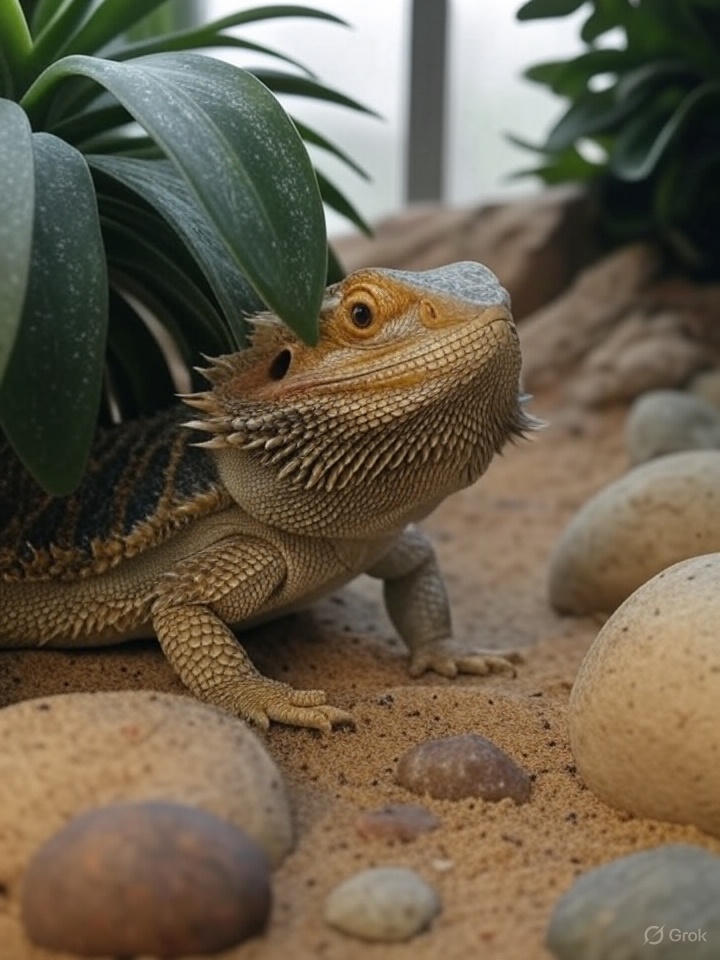
Bearded dragons are cherished pets known for their unique personalities, but when owners can no longer care for them, a common question arises: can I release my bearded dragon into the wild? The answer is no—releasing them is generally illegal, unethical, and harmful to both the animal and the environment. Captive-bred dragons lack survival skills for their native arid habitats, and such actions disrupt ecosystems. This guide explores why this isn’t an option, offers alternatives, and outlines legal/ethical considerations. Begin now to make responsible choices for your pet’s future.
This article covers the harm of releasing, legal restrictions, rehoming alternatives, wild vs. captive context, ethical considerations, and conclusion. Start today to prioritize your dragon’s welfare.
Disclosure: This post contains affiliate links. I may earn a small commission from purchases made through these links at no additional cost to you (#CommissionsEarned).
Why Releasing Bearded Dragons Is Harmful
Captive-bred bearded dragons, often with unique traits, lack wild instincts to find food or evade predators, struggling in deserts, savannas, and woodlands, per BlusZoo (https://bluszoo.com/blog/bearded-dragons-in-the-wild/). They may carry diseases or introduce non-native traits, risking wild populations or local ecosystems.
Legal Restrictions on Releasing Pets
Releasing bearded dragons is illegal without permits in Australia and many regions, violating wildlife laws, per RSPCA (https://kb.rspca.org.au/knowledge-base/how-should-i-care-for-my-bearded-dragon/). In non-native areas like the U.S. or Europe, it can lead to fines as an invasive species—check local regulations.
Alternatives to Releasing Your Bearded Dragon
Rehome through reptile forums (e.g., BeardedDragon.org, r/BeardedDragons), contact rescues or shelters for exotic pets, or consult a vet for humane options like euthanasia if necessary. These ensure your dragon’s safety.
| Aspect | Wild Bearded Dragons | Captive Bearded Dragons |
|---|---|---|
| Habitat | Deserts, savannas, woodlands | Controlled enclosures |
| Survival Skills | Foraging, predator avoidance | Limited or none |
| Health | Adapted to wild pathogens | May carry captive diseases |
| Diet | Natural insects, plants | Commercial diets, supplements |
This table, per RSPCA (https://kb.rspca.org.au/knowledge-base/how-should-i-care-for-my-bearded-dragon/), shows captive dragons’ unsuitability for the wild.
Ethical Considerations for Pet Owners
Pet ownership is a 15-year commitment—consider care capacity upfront. Releasing a bearded dragon is cruel and disruptive to ecosystems; rehoming or rescue upholds welfare and responsibility.
Conclusion: Choose Responsible Solutions
Can I release my bearded dragon into the wild? No—it’s illegal, unethical, and harmful due to survival and ecological risks. Opt for rehoming or rescue instead. Ensure your dragon thrives with care supplies on Amazon (https://amzn.to/4lku8DG). Share your rehoming experiences in the comments and consult a veterinarian or local authority for tailored advice to keep your beardie flourishing.