
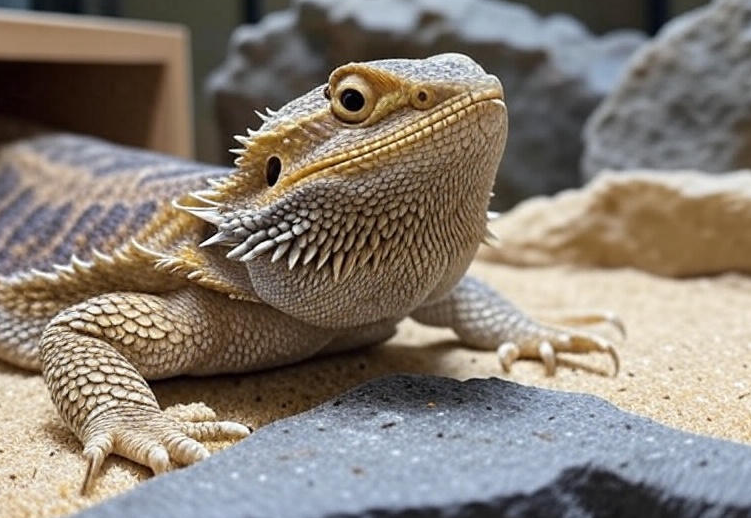
Laying eggs is a monumental event for a female bearded dragon, but it can leave her exhausted, nutrient-depleted, and sometimes downright cranky. If your dragon is showing aggression—hissing, puffing up, or even nipping—after laying eggs, you’re likely wondering how to help her recover while keeping both of you safe. This guide offers vet-backed strategies to care for your post-egg-laying bearded dragon, addressing her physical needs and behavioral changes. Drawing from expert advice and my own experience with my dragon, Blaze, I’ll walk you through practical steps to restore her health and calm her temperament.
Understanding Post-Egg-Laying Aggression
Egg-laying, or oviposition, is physically taxing for bearded dragons, even if the eggs are infertile. It depletes calcium, energy, and hydration, which can make your dragon feel vulnerable and trigger defensive behaviors like aggression. Dr. Sarah Thompson, a reptile veterinarian, explains, “Post-egg-laying aggression often stems from stress, discomfort, or nutritional deficiencies. Addressing these root causes is key to restoring your dragon’s calm demeanor.”
Environmental factors, like improper lighting or enclosure setup, can also exacerbate aggression. My dragon, Blaze, once puffed up like a spiky balloon after laying eggs, snapping at anything near her tank until I adjusted her diet and gave her a quiet retreat. Let’s explore how to help your dragon recover and relax.
Key Needs After Egg-Laying
After laying eggs, your bearded dragon needs three things: nutritional recovery, a stress-free environment, and gentle handling to reduce aggression. Here’s how to address each with practical, actionable steps.
1. Replenish Nutrients with a Balanced Diet
Egg-laying drains calcium and energy, so boosting nutrition is critical. Offer a variety of calcium-rich greens like collard greens or dandelion leaves, dusted with Zoo Med Repti Calcium with D3 *. As an Amazon Associate, I earn from qualifying purchases. This vet-recommended powder is a staple for owners, ensuring proper calcium absorption to prevent metabolic bone disease. Use it 2-3 times a week for adults, per veterinary guidelines.
To encourage eating, especially if she’s picky post-laying, mix greens with Fluker’s Repti-Boost Insectivore & Carnivore Supplement *. Owners love this supplement for its palatability, which can entice a reluctant dragon to eat. Blaze devoured her greens once I added a sprinkle of this—her mood improved almost instantly!
Pro Tip: Offer small, frequent meals to avoid overwhelming her sensitive digestive system.
2. Optimize the Enclosure to Reduce Stress
A comfortable, well-regulated enclosure can significantly reduce aggression. Ensure the basking spot is 95-110°F and the cool side is 75-85°F, using an Exo Terra Thermometer *. This reliable device is trusted by owners for its accuracy, helping you maintain stable conditions that promote relaxation.
Add a Zoo Med Repti Hammock * to give your dragon a cozy spot to rest and de-stress. This durable hammock is a hit with dragons, offering a perch that mimics natural basking surfaces. Blaze loves lounging on hers, especially after the exhaustion of egg-laying.
Table: Ideal Enclosure Setup Post-Egg-Laying
| Component | Ideal Setting | Equipment Needed |
|---|---|---|
| Basking Spot | 95-110°F | Heat lamp, thermometer |
| Cool Side | 75-85°F | Thermometer, shaded area |
| UVB Lighting | 10-12% UVB, 10-14 hrs/day | UVB bulb, timer |
| Resting Area | Comfortable, secure | Hammock, hiding cave |
This mobile-friendly table outlines key enclosure settings to support recovery and reduce aggression.
3. Provide a Safe Retreat
Aggressive behavior often signals a need for security. Offer a Exo Terra Hiding Cave * to give your dragon a private retreat where she can feel safe. Owners swear by this cave’s naturalistic design, which encourages dragons to relax and hide when stressed. After laying eggs, Blaze spent hours in her cave, emerging calmer and less snappy.
Place the cave in the cool zone to avoid overheating, and ensure it’s large enough for her to enter comfortably but snug enough to feel secure.
4. Handle with Care to Minimize Aggression
Post-egg-laying dragons can be extra sensitive, so minimize handling for the first week or two. When you do interact, approach slowly, avoid sudden movements, and use a soft towel to gently scoop her up if needed. Watch for signs of aggression—puffed beard, hissing, or tail whipping—and give her space if she’s not ready.
Free Tip for Reciprocity: Unsure how to track your dragon’s recovery? Use the Bearded Dragon Care Checklist to generate a tailored, downloadable PDF with post-egg-laying care tasks based on her age. Few tools offer such precise guidance, and owners love it for staying organized during stressful times.
5. Monitor Health and Behavior
Keep a close eye on your dragon for signs of complications, like egg-binding (retained eggs), which can cause prolonged aggression or lethargy. Symptoms include loss of appetite, straining, or a swollen abdomen. If you notice these, consult a reptile vet immediately. Regular weigh-ins and appetite tracking can help you spot issues early.
Myth-Busting: Some owners think aggression after egg-laying is permanent. Not true! With proper care, most dragons return to their normal temperament within a few weeks as they recover.
Common Mistakes to Avoid
When caring for your aggressive post-egg-laying dragon, steer clear of these pitfalls:
- Ignoring Nutritional Needs: Skipping calcium or supplements can delay recovery and worsen aggression.
- Overhandling: Too much interaction can stress her further, prolonging defensive behavior.
- Poor Enclosure Setup: Incorrect temperatures or lack of hiding spots can heighten stress.
- Delaying Vet Care: Unresolved health issues like egg-binding can escalate aggression and harm your dragon.
Conclusion: Helping Your Dragon Recover and Relax
Caring for an aggressive bearded dragon after she lays eggs requires patience, proper nutrition, and a stress-free environment. By replenishing nutrients, optimizing her enclosure, providing a safe retreat, handling gently, and monitoring her health, you’ll help her recover physically and emotionally. Have a tip that calmed your dragon post-laying? Share it in the comments—I’d love to hear what worked for you!
BeardedBuddies.com collaborates with reptile experts to provide accurate, trustworthy care advice. This site participates in the Amazon Associates Program, earning from qualifying purchases.
About the Author
Dragon King, founder of BeardedBuddies.com, has raised bearded dragons for over seven years, with his dragon Blaze as his loyal companion. When Blaze laid her first clutch of eggs, her post-laying grumpiness caught Dragon King off guard, but a cozy hammock and extra calcium turned her back into her cuddly self. A passionate reptile enthusiast, he collaborates with herpetologists to share reliable, hands-on advice. All tips are grounded in standard reptile care practices and expert consultations, helping owners keep their dragons thriving.