
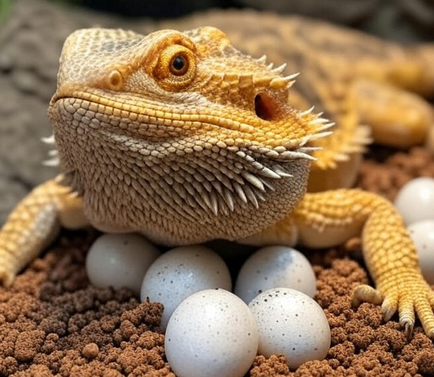
Hey there, fellow dragon keepers! If you’re reading this, chances are your bearded dragon just surprised you with a clutch of eggs, and you’re scrambling to figure out the next steps. It’s an exciting moment, but it can feel overwhelming if you’re new to this. I’ve been through it myself, and trust me, with the right approach, you can give those eggs a solid shot at hatching healthy babies. In this guide, we’ll walk through everything from spotting the signs to setting up incubation and caring for everyone involved. Let’s get your setup on track so you can enjoy the process.
First off, confirm what’s happening. Bearded dragons, or Pogona vitticeps, are prolific breeders, especially females who’ve been around a male or even gone through parthenogenesis—laying unfertilized eggs without mating. If your dragon’s been digging furiously in her substrate or looking restless, those could be early clues. Once the eggs are laid, usually in a batch of 10 to 30, you’ll need to act fast to protect them. The goal here is to mimic natural conditions while keeping things safe and controlled at home.
Spotting and Handling the Eggs Safely
The moment you discover the eggs is critical. Bearded dragons often bury them in the substrate, so gently uncover them without rolling or shaking—each egg has a delicate embryo that could be damaged. Use a spoon or your hands (washed and gloved if possible) to lift them out carefully. Note their orientation; mark the top with a pencil if needed, as flipping can harm development.
Safe bearded dragon egg handling starts with cleanliness. Avoid washing the eggs, as that removes their natural protective coating. Instead, place them in a temporary container lined with damp vermiculite or perlite to prevent drying out. If any look dented or discolored, they might not be viable, but give them a chance in the incubator anyway. From my experience, patience pays off—I’ve had clutches where a few odd-looking ones surprised me with strong hatches.
Setting Up for Incubation
Incubation is where things get technical, but it’s doable with basic gear. Bearded dragon eggs need steady warmth around 84°F (29°C) and high humidity, about 80-90%, for 50-70 days. Temperature swings can lead to deformities or failed hatches, so reliability matters.
Start by preparing a substrate mix: equal parts vermiculite and water by weight works well. Bury the eggs halfway in, spaced apart to avoid mold spread. Now, for the setup—a dedicated incubator keeps conditions consistent.
As an Amazon Associate, I earn from qualifying purchases. Worried about getting the environment just right? The Exo Terra Precision Incubator Pro* solves that with its digital controls for precise temp and humidity management. Breeders rely on it to boost success rates, especially for first-timers.
Monitor closely with tools that track readings accurately. Struggling to keep tabs on fluctuations? A solid option like the Reptile Tank Thermometer* offers LED displays for easy checks, helping you maintain that sweet spot without guesswork.
Here’s a quick table to guide your incubation parameters:
| Parameter | Ideal Range | Why It Matters |
|---|---|---|
| Temperature | 82-86°F (28-30°C) | Ensures even embryo development |
| Humidity | 80-90% | Prevents eggs from drying out |
| Duration | 50-70 days | Varies by temp; higher shortens |
| Substrate | Vermiculite/Perlite | Retains moisture without mold |
Keep the incubator in a quiet, dark spot away from drafts. Check daily for condensation and vent occasionally to refresh air. If mold appears, remove affected eggs promptly.
Caring for the Mother Dragon Post-Laying
Don’t forget mom—she’s expended a ton of energy. Laying can leave her depleted, so boost her nutrition right away. Offer calcium-rich foods like dusted insects and greens to rebuild strength. Watch for signs of egg-binding if she seems strained; a vet visit might be needed.
Social proof from the community highlights how supplements make a difference. Owners love Repti Calcium with D3 (3oz)* for its easy dusting and attached guide that simplifies recovery feeding.
Pair that with a multivitamin like Zoo Med Reptivite, with Vitamin D3* to cover all bases—trusted by keepers for keeping dragons vibrant after big events like this.
For her enclosure, fresh substrate helps prevent infections. Hard-to-find options that are safe include Zilla Reptile Terrarium Bedding Substrate Floor Liner*, which is easy to clean and gentle on her post-lay.
If breeding was intentional, think about future litters. The Bearded Dragon Morph Predictor is a gem for forecasting baby traits based on parents—few tools offer such fun, tailored insights, and it’s perfect for planning ahead.
Preparing for Hatching and Hatchling Care
As incubation wraps up, watch for pipping—babies breaking through the shell. Once out, let them absorb the yolk sac fully before moving them. Set up a separate enclosure for hatchlings: smaller tanks with paper towels as substrate to avoid impaction.
Feeding starts light—tiny insects like pinhead crickets, dusted well. Supplements are crucial here too. To amp up their start, consider Fluker’s Repta Boost* for that extra energy hit, especially if any seem sluggish.
Hatchlings grow fast, so monitor weights and adjust care. A weekly routine keeps things organized, tying back to that checklist I mentioned earlier.
Common Myths and Troubleshooting
Myth: All eggs need a male to be fertile. Fact: Females can lay infertile ones, but if mated, check for veining under light after a week.
Trouble: Low hatch rates? Often due to inconsistent humidity. Solution: Invest in reliable gear early.
If issues arise, consult a reptile vet like Dr. Stephanie Nelk, who specializes in exotics and emphasizes preventive care.
Wrapping It Up
Handling a bearded dragon laying eggs is a rewarding adventure that deepens your bond with these amazing pets. By focusing on safe handling, proper incubation, and attentive care for mom and babies, you’ll set everyone up for success. Share your experiences in the comments—what surprised you most about your dragon’s clutch? Let’s build a community of informed keepers.
About the Author
Dragon King here, founder of BeardedBuddies.com and a dedicated reptile enthusiast with over seven years of hands-on experience raising bearded dragons. My trusty companion, Blaze, once laid a surprise clutch after a particularly active season, digging up her entire enclosure overnight—it taught me the importance of quick action and calcium boosts to get her back on her feet. I collaborate with herpetologists and vets to share practical, vetted advice that helps owners worldwide. All tips draw from real-world trials and standard care practices for trustworthy guidance.
BeardedBuddies.com collaborates with reptile experts to provide accurate, trustworthy care advice. This site participates in the Amazon Associates Program, earning from qualifying purchases.