
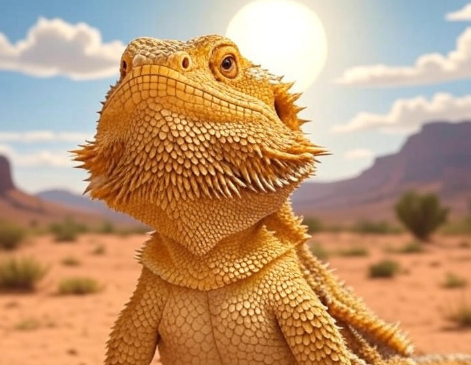
Bearded dragons, native to Australia’s arid deserts and woodlands, face growing challenges from invasive species that disrupt their natural habitats. These invaders, introduced through human activities, compete for resources, introduce diseases, and alter ecosystems, threatening wild bearded dragon populations. For pet owners, understanding these impacts highlights the importance of responsible care to prevent similar stressors in captivity. This guide explores how invasive species affect bearded dragons in the wild, their potential as invasives elsewhere, and how to protect pet dragons from comparable risks. Whether you’re a conservation enthusiast or a dedicated owner, these insights will deepen your appreciation for these remarkable reptiles.
Why Invasive Species Are a Concern for Bearded Dragons
Invasive species are non-native plants or animals that establish self-sustaining populations, often causing ecological harm. In Australia, bearded dragons (Pogona species) rely on stable desert, savanna, and woodland habitats for food, shelter, and breeding. Invasive species disrupt these environments, impacting resources and survival. Dr. Laura Bennett, a reptile ecologist, notes, “Invasive species can outcompete native reptiles like bearded dragons, reducing their access to critical resources.” For pet owners, maintaining a stable enclosure mimics the natural conditions threatened by invasives, ensuring dragon health.
How Invasive Species Impact Bearded Dragon Populations
Invasive species affect bearded dragons in several ways, based on ecological studies and conservation data:
1. Competition for Resources
- Feral Predators: Introduced predators like foxes and domestic cats prey on bearded dragons, especially juveniles, reducing population numbers. Bush Heritage Australia highlights that controlling feral animals is key to protecting bearded dragons in the wild.
- Invasive Herbivores: Feral rabbits and goats deplete vegetation, reducing food sources like leaves and fruits that bearded dragons rely on as omnivores. This competition forces dragons to expend more energy foraging, impacting growth and reproduction.
- Other Reptiles: Invasive lizards, such as Cuban brown anoles in Florida, compete for similar food and basking sites, though this is more relevant outside Australia where bearded dragons aren’t native.
2. Habitat Alteration
- Vegetation Changes: Invasive plants like buffel grass alter Australia’s arid ecosystems, reducing native plants that bearded dragons use for shade and food. This disrupts their ability to thermoregulate and find prey, as noted in conservation efforts by Bush Heritage.
- Burrow Disruption: Feral animals like rabbits destroy burrows where bearded dragons hide during extreme heat or brumation, leaving them vulnerable to predators or temperature stress.
3. Disease Transmission
- Pathogen Spread: Invasive species can introduce diseases to which bearded dragons have no immunity. For example, escaped pet reptiles may carry pathogens like Salmonella, a concern for both wild and captive dragons. In Hawaii, bearded dragons are banned due to their potential to introduce diseases if they establish feral populations.
- Parasite Risks: Invasive reptiles or mammals may bring parasites that affect bearded dragons, weakening their health and reproductive success.
4. Predation Pressure
- Direct Threats: Feral cats and foxes, major invasive predators in Australia, target bearded dragons, particularly during vulnerable life stages like egg-laying or hatching. Females lay 10-30 eggs in burrows, which are at risk from these predators.
- Indirect Effects: Predation reduces population density, limiting mating opportunities and genetic diversity, which can weaken wild populations over time.
| Impact | Description | Effect on Bearded Dragons | Recommended Product/Tool for Captive Care |
|---|---|---|---|
| Resource Competition | Feral animals deplete food and basking sites | Reduced nutrition, energy loss | Exo Terra Feeding Dish |
| Habitat Alteration | Invasive plants, burrow destruction | Loss of shelter, thermoregulation issues | Zoo Med Eco Earth Loose Coconut Fiber Substrate |
| Disease Transmission | Pathogens from invasives | Weakened immunity, health decline | Zoo Med ReptiSun UVB Bulb |
| Predation | Feral cats, foxes prey on dragons | Population decline, egg loss | Exo Terra Cocount Cave |
As an Amazon Associate, I earn from qualifying purchases. Tools like the Exo Terra Feeding Dish ensure your pet dragon has consistent nutrition, countering resource scarcity seen in the wild.
Bearded Dragons as Potential Invasive Species
While bearded dragons are native to Australia, their popularity in the pet trade raises concerns about their potential as invasive species elsewhere. Australia banned wild exports in the 1960s, but captive-bred dragons are common in the U.S. and other regions. Escaped or released pets can establish feral populations in warm climates:
- Arizona Reports: Reddit users have reported finding bearded dragons in Arizona, where the climate resembles their native habitat. They may compete with local lizards like horned toads, eating their eggs or outcompeting them for food.
- Hawaii Ban: Hawaii bans bearded dragons due to their potential to disrupt local ecosystems by competing with native species or introducing diseases.
- Limited Invasiveness: Bearded dragons rarely become invasive due to cold climates in most regions, but in warm areas like Arizona, they could thrive if not controlled.
Pet owners can prevent this by ensuring dragons don’t escape, using secure enclosures with hides like an Exo Terra Cocount Cave to reduce stress-induced escape attempts.
Protecting Pet Bearded Dragons from Similar Stressors
While wild bearded dragons face invasive species, pet dragons can experience parallel stressors (e.g., poor nutrition, unstable conditions). Here’s how to protect them:
- Stable Environment: Maintain a basking spot (95-110°F) and cool side (75-80°F) with a Fluker’s Digital Thermometer/Hygrometer to mimic their natural habitat, reducing stress from environmental changes.
- Proper Nutrition: Use an Exo Terra Feeding Dish to provide a balanced diet of greens and insects, preventing competition-like scarcity. Dust with supplements to avoid deficiencies.
- UVB Lighting: A Zoo Med ReptiSun UVB Bulb supports vitamin D3 synthesis, strengthening immunity against potential diseases.
- Stress Reduction: Include an Exo Terra Cocount Cave to offer a safe retreat, mirroring natural burrows disrupted by invasives in the wild.
- Responsible Ownership: Never release pet dragons, as they can become invasive in suitable climates, harming local ecosystems.
The Bearded Dragon Enclosure Calculator helps design a habitat that replicates a stable, natural environment, while the Bearded Dragon Care Checklist ensures you maintain optimal conditions to counter stressors.
Common Mistakes to Avoid
Avoid these pitfalls to protect your pet dragon and support wild populations:
- Releasing Pets: Releasing bearded dragons can introduce invasives, as seen in Arizona reports. Keep enclosures secure.
- Poor Tank Conditions: Inadequate heat or UVB mimics habitat loss from invasives. Monitor with a Fluker’s Digital Thermometer/Hygrometer.
- Improper Feeding: Feeding on loose substrate risks impaction, similar to wild competition. Use an Exo Terra Feeding Dish.
- Ignoring Conservation: Supporting pet stores with poor sourcing practices harms wild populations. Choose ethical breeders or rescues.
Myths About Invasive Species and Bearded Dragons
Let’s debunk some misconceptions:
- Myth: “Invasive species don’t affect bearded dragons.” Fact: Feral predators and plants reduce resources and habitat, threatening populations.
- Myth: “Bearded dragons can’t become invasive.” Fact: Escaped pets can establish populations in warm climates, like Arizona.
- Myth: “Pet care doesn’t relate to wild issues.” Fact: Stable enclosures with tools like the Bearded Dragon Enclosure Calculator prevent stressors seen in the wild.
Conclusion
Invasive species like feral cats, foxes, and plants threaten wild bearded dragon populations by competing for resources, altering habitats, and introducing diseases. Pet owners can support conservation by preventing releases and maintaining healthy enclosures with tools like the Zoo Med ReptiSun UVB Bulb and Exo Terra Cocount Cave. The Bearded Dragon Enclosure Calculator and Bearded Dragon Care Checklist help replicate a stable habitat. How do you ensure your dragon’s environment is stress-free? Share your tips or ask for advice in the comments!
About the Author
I’m Dragon King, founder of BeardedBuddies.com and a reptile enthusiast with over seven years raising bearded dragons. I collaborate with reptile experts to share practical, trustworthy advice for dragon owners worldwide. All my tips are based on consultations with herpetologists and standard care practices.
BeardedBuddies.com collaborates with reptile experts to provide accurate, trustworthy care advice. This site participates in the Amazon Associates Program, earning from qualifying purchases.