
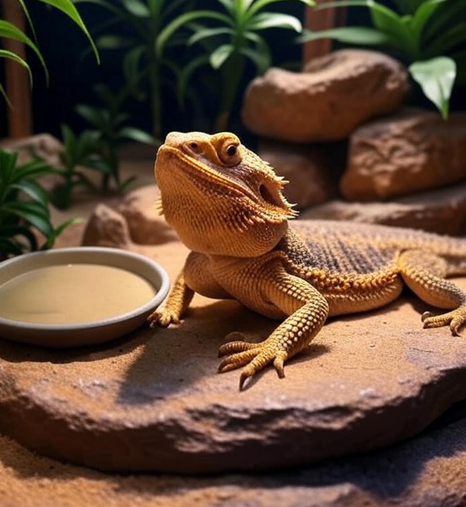
Noticed your bearded dragon struggling to move, with shaky limbs or a softened jaw? If so, you might be dealing with metabolic bone disease (MBD), a common but manageable condition in these reptiles. This guide aims to help you recognize MBD, understand its impact, and take action to support your dragon’s recovery. Caused by calcium or vitamin D3 deficiencies, often from poor diet or lighting, MBD weakens bones and can be reversed with the right care. Let’s explore the signs, causes, treatments, and prevention tips to give your bearded dragon a healthier future.
What Is Metabolic Bone Disease and How It Affects Bearded Dragons
Metabolic bone disease is a serious condition in bearded dragons, resulting from insufficient calcium, vitamin D3, or UVB exposure. Without these, their bodies can’t properly absorb calcium, leading to weak, deformed bones. This isn’t just a cosmetic issue—it affects their ability to walk, climb, or even eat comfortably. Over time, untreated MBD can cause fractures, tremors, or permanent damage.
In the wild, bearded dragons get UVB from sunlight to synthesize vitamin D3, aiding calcium uptake. In captivity, improper tank setups often disrupt this process. Dr. Stephanie Nelk, a reptile veterinarian, highlights that early intervention can halt progression, making awareness key for owners. Recognizing MBD early gives your dragon the best shot at recovery.
Signs and Symptoms to Watch For
Spotting MBD requires close observation. Look for soft or rubbery jaws, a common early sign as the skull weakens. Limbs may bow or fracture easily, and your dragon might show tremors or twitching, especially when moving. A hunched posture or reluctance to climb suggests bone pain. Some dragons develop swollen legs or tails due to improper growth.
Check for lethargy or difficulty basking—weak muscles struggle to hold them up. In severe cases, the spine can curve, and teeth may loosen. If your dragon’s eating less or seems distressed, it’s time to act. A vet visit, like those recommended by Dr. Nelk, can confirm MBD with X-rays or blood tests, guiding your next steps.
Causes of Metabolic Bone Disease
MBD stems from preventable issues. The primary cause is a calcium-deficient diet—too few greens like collards or dandelion greens, or over-reliance on low-calcium insects. Without vitamin D3, calcium can’t be absorbed, often due to a faded UVB bulb. Supplement with Zoo Med Repti Calcium with D3 * to boost intake—owners rely on it for recovery.
Inadequate UVB lighting is another trigger. Bulbs lose effectiveness after 6-12 months, leaving dragons vulnerable. The * Zoo Med ReptiSun UVB Bulb ensures proper exposure, a must for bone health. Low temperatures (below 95°F basking) slow metabolism, worsening absorption—monitor with Exo Terra Terrarium Thermometer. Poor husbandry, like infrequent feeding, compounds the risk.
Treatment and Management Strategies
Managing MBD starts with veterinary care. A vet may prescribe calcium injections or oral supplements to address severe cases. At home, adjust the diet—offer calcium-rich greens daily and dust insects with * Zoo Med Repti Calcium with D3 to rebuild strength. Use * Fluker’s Repta-Bowl for controlled portions, preventing overfeeding.
Upgrade lighting with * Zoo Med ReptiSun UVB Bulb, replacing it every 6-12 months to maintain UVB output. Keep the basking spot at 95-110°F, verified by * Exo Terra Terrarium Thermometer, to aid calcium processing. Limit movement to avoid fractures—provide a flat basking area. Recovery takes weeks to months, so patience is key. Consult a vet for progress checks.
Prevention Tips for Long-Term Health
Preventing MBD ensures your dragon thrives long-term. Start with a balanced diet—80% greens for adults, 20% protein, dusted with * Zoo Med Repti Calcium with D3 3-5 times weekly. Juveniles need more protein but still require greens. Use * Fluker’s Repta-Bowl to regulate intake.
Install and maintain * Zoo Med ReptiSun UVB Bulb, checking it regularly for fading. Keep the tank at 95-110°F basking and 75-85°F cool, monitored by * Exo Terra Terrarium Thermometer. Avoid over-supplementation—too much D3 can harm kidneys. Learn more at Bearded Dragon Bone Disease Prevention. For deficiency signs, see Bearded Dragon Vitamin Deficiency Signs Care.
Conclusion
Managing MBD in your bearded dragon is challenging but achievable with the right tools and care. Boost bone health with * Zoo Med Repti Calcium with D3 and proper UVB from * Zoo Med ReptiSun UVB Bulb. Monitor conditions with * Exo Terra Terrarium Thermometer and feed smartly with * Fluker’s Repta-Bowl. Have a recovery story or question? Share it in the comments—let’s support each other!
About the Author
Dragon King, founder of BeardedBuddies.com, has spent over seven years raising bearded dragons, including his resilient companion, Blaze. A dedicated reptile enthusiast, Dragon King once nursed Blaze through early MBD signs with a new UVB bulb, sparking his focus on bone health. Collaborating with herpetologists and veterinarians, he offers practical advice worldwide. All tips are based on expert consultations and standard reptile care practices.
BeardedBuddies.com collaborates with reptile experts to provide accurate, trustworthy care advice. This site participates in the Amazon Associates Program, earning from qualifying purchases.