
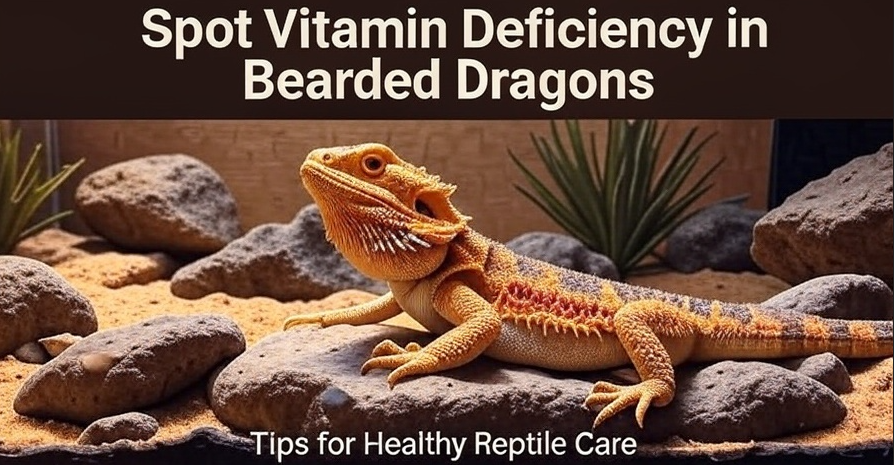
Bearded dragons are hardy reptiles, but even these tough little desert dwellers can face health challenges if their diet lacks essential nutrients. Vitamin deficiencies can sneak up quietly, causing serious issues like weak bones, lethargy, or even long-term organ damage. As a bearded dragon owner, spotting the signs early can make all the difference in keeping your scaly friend thriving. In this guide, we’ll break down how to recognize vitamin deficiencies, understand their causes, and take action to restore your dragon’s health. Whether you’re a new owner or a seasoned keeper, you’ll find practical tips to ensure your bearded dragon stays vibrant and healthy.
Why Vitamin Deficiencies Matter for Bearded Dragons
Bearded dragons need a balanced diet of insects, vegetables, and supplements to meet their nutritional needs. Unlike wild dragons, which get a varied diet and natural sunlight, captive dragons rely on us to provide the right mix of vitamins and minerals. Deficiencies in key nutrients like calcium, vitamin D3, or vitamin A can lead to serious health problems, such as metabolic bone disease (MBD) or vision issues. According to Dr. Stephanie Nelk, a reptile veterinarian, “Early detection of nutritional deficiencies is critical to preventing irreversible damage in bearded dragons.” By learning to spot the signs, you can act quickly and keep your dragon in top shape.
Common Signs of Vitamin Deficiency
Vitamin deficiencies manifest in physical and behavioral changes. Here are the most common symptoms to watch for:
- Lethargy or Weakness: If your dragon seems sluggish, spends excessive time hiding, or struggles to move, it could signal a lack of energy from poor nutrition, often linked to deficiencies in B vitamins or calcium.
- Soft or Deformed Bones: Swollen limbs, a rubbery jaw, or a curved spine are red flags for metabolic bone disease, typically caused by insufficient calcium or vitamin D3.
- Poor Appetite: Refusing food or eating less can point to vitamin A or B1 deficiencies, which affect digestion and metabolism.
- Eye Problems: Swollen, cloudy, or sunken eyes may indicate vitamin A deficiency, which is critical for vision and immune health.
- Weight Loss or Stunted Growth: In juveniles, slow growth or thinness despite regular feeding can suggest inadequate nutrient absorption.
If your dragon shows any of these signs, consult a reptile veterinarian promptly. Early intervention can prevent complications.
Key Vitamins and Their Role in Bearded Dragon Health
To understand deficiencies, it’s helpful to know which vitamins are essential and what they do. Below is a table comparing key vitamins, their functions, and deficiency symptoms:
| Vitamin | Role | Deficiency Symptoms | Sources |
|---|---|---|---|
| Vitamin A | Supports vision, skin health, and immunity | Cloudy eyes, skin shedding issues, respiratory infections | Leafy greens (kale, collards), carrots, supplements like Rep-Cal Herptivite Multivitamin |
| Vitamin D3 | Aids calcium absorption for bone health | Soft bones, tremors, MBD | UVB lighting (Zoo Med Reptile UVB Bulb), supplements like Zoo Med Repti Calcium with D3 |
| Calcium | Builds strong bones and muscles | Weakness, deformed limbs, fractures | Calcium supplements (Zoo Med Repti Calcium with D3), gut-loaded insects |
| B Vitamins | Supports metabolism and energy | Lethargy, poor appetite, neurological issues | Insects (crickets, dubia roaches), Fluker’s Repti Boost for recovery |
As an Amazon Associate, I earn from qualifying purchases. Use products like Zoo Med Repti Calcium with D3 or Rep-Cal Herptivite Multivitamin to ensure your dragon gets these nutrients. Owners swear by these for preventing deficiencies, especially when paired with proper lighting like the Zoo Med Reptile UVB Bulb.
Causes of Vitamin Deficiencies
Several factors can lead to vitamin deficiencies in bearded dragons:
- Inadequate Diet: Feeding too few greens, low-quality insects, or skipping supplements can starve your dragon of essential nutrients. For example, crickets not gut-loaded with nutritious foods lack the vitamins your dragon needs.
- Poor UVB Lighting: Without proper UVB exposure, bearded dragons can’t synthesize vitamin D3, leading to calcium absorption issues. A high-quality UVB bulb like the Zoo Med Reptile UVB Bulb is a must.
- Improper Supplementation: Over- or under-supplementing can cause imbalances. For instance, too much vitamin A can be toxic, while too little leads to deficiency.
- Stress or Illness: Stress from a small enclosure or illness can reduce appetite, limiting nutrient intake. A sturdy feeding dish like the Exo Terra Feeding Dish ensures food is accessible and encourages eating.
To avoid these pitfalls, use tools like the Bearded Dragon Feeding Calculator to create a tailored feeding plan based on your dragon’s age and weight. Owners love this tool for simplifying portion sizes and supplement schedules.
How to Address and Prevent Vitamin Deficiencies
If you suspect a deficiency, take these steps to get your dragon back on track:
- Consult a Reptile Veterinarian: A vet can diagnose deficiencies through blood tests or physical exams and recommend targeted treatments, such as Fluker’s Repti Boost for malnourished dragons.
- Adjust the Diet: Offer a variety of nutrient-rich foods, like collard greens, squash, and gut-loaded insects. Use a feeding dish like the Exo Terra Feeding Dish to keep food clean and accessible.
- Optimize UVB Lighting: Ensure your dragon’s enclosure has a high-quality UVB bulb replaced every 6-12 months. The Zoo Med Reptile UVB Bulb is a favorite for its reliability.
- Supplement Wisely: Dust insects with Zoo Med Repti Calcium with D3 3-4 times a week for adults (more for juveniles) and use Rep-Cal Herptivite Multivitamin once or twice weekly to cover other vitamins.
- Monitor Behavior: Track your dragon’s activity and appetite. If symptoms persist, revisit your vet for follow-up care.
Prevention is key. A balanced diet, proper lighting, and regular supplementation can stop deficiencies before they start. For a structured approach, try the Bearded Dragon Care Checklist. This tool generates a personalized, downloadable PDF to keep your dragon’s care routine on point.
Busting Myths About Bearded Dragon Nutrition
Misinformation can make it harder to spot and prevent deficiencies. Let’s clear up a few common myths:
- Myth: “Bearded dragons don’t need supplements if they eat greens.” Fact: Greens alone don’t provide enough calcium or vitamins like D3. Supplements like Zoo Med Repti Calcium with D3 are essential for captive dragons.
- Myth: “Any light bulb works for UVB.” Fact: Only reptile-specific UVB bulbs, like the Zoo Med Reptile UVB Bulb, provide the right spectrum for vitamin D3 synthesis.
- Myth: “More supplements are always better.” Fact: Over-supplementation can cause toxicity, especially with vitamin A. Stick to a schedule tailored to your dragon’s needs.
Conclusion
Spotting vitamin deficiencies in bearded dragons early can save your pet from serious health issues. By recognizing symptoms like lethargy, deformed bones, or poor appetite, you can act fast to adjust their diet, lighting, or supplements. Tools like the Bearded Dragon Feeding Calculator make it easy to create a nutrient-rich feeding plan, while products like Zoo Med Repti Calcium with D3 and Rep-Cal Herptivite Multivitamin ensure your dragon gets the vitamins they need. Have you noticed any unusual behaviors in your dragon? Share your experience in the comments or ask for tips to keep your scaly friend healthy!
About the Author
I’m Dragon King, founder of BeardedBuddies.com and a passionate reptile enthusiast with over seven years of experience raising bearded dragons. My dragon, Blaze, once showed signs of lethargy due to a calcium deficiency, but with the right supplements and a new UVB bulb, he’s back to basking like a champ. I work with herpetologists and veterinarians to share practical, trustworthy advice to help dragon owners worldwide. All my tips are based on consultations with reptile experts and standard care practices.
BeardedBuddies.com collaborates with reptile experts to provide accurate, trustworthy care advice. This site participates in the Amazon Associates Program, earning from qualifying purchases.