
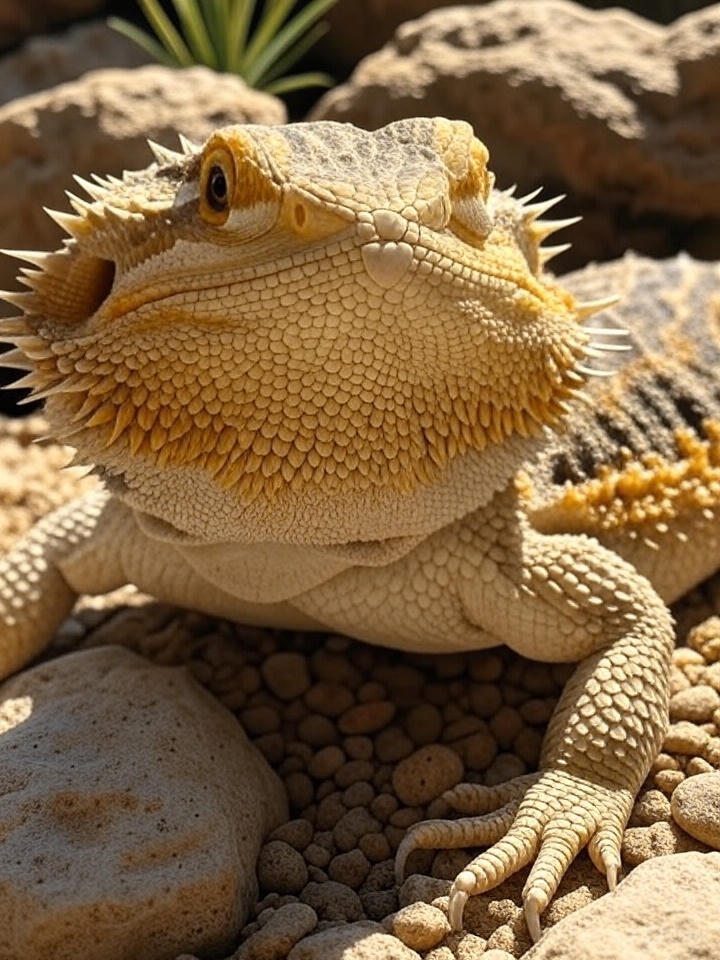
Dry seasons, with their low humidity and high temperatures, can challenge bearded dragon owners by increasing the risk of dehydration. Bearded dragons (Pogona vitticeps), native to Australia’s arid deserts, rely on moisture from food and occasional water sources, but dry indoor air can exacerbate water loss. Dehydration can lead to health issues like constipation, lethargy, or kidney problems. Dr. Natalie Hayes, a reptile veterinarian, warns, “Maintaining hydration during dry seasons is critical to prevent serious health complications in bearded dragons.” This problem-solution guide identifies key hydration challenges and provides actionable solutions to keep your dragon healthy and hydrated.
Problem 1: Low Indoor Humidity Dries Out Dragons
Dry seasons, especially in winter with indoor heating, can drop humidity below the ideal 20-40% range, causing bearded dragons to lose moisture through their skin and respiration. This can lead to sunken eyes, wrinkled skin, or reduced activity.
Solutions:
- Monitor Humidity: Use a Fluker’s Digital Thermometer/Hygrometer to check humidity daily, aiming for 20-40%. If below 20%, add a shallow Exo Terra Water Dish to slightly increase moisture without spiking humidity.
- Light Misting: Mist the tank lightly once daily with dechlorinated water, focusing on the cool side (75-80°F). Avoid over-misting to prevent respiratory issues.
- Ventilation Control: Ensure the tank has a screen lid for airflow but avoid placing it near heating vents, which can dry out the air further.
Problem 2: Reduced Drinking Due to Dry Air
Bearded dragons rarely drink from standing water in the wild, relying on food moisture, but dry seasons can reduce their interest in drinking, increasing dehydration risk.
Solutions:
- Provide a Water Dish: Place an Exo Terra Water Dish on the cool side of the tank, refilled daily with fresh, dechlorinated water. Its naturalistic design encourages drinking.
- Offer Regular Soaks: Soak your dragon in lukewarm water (85-90°F) for 10-15 minutes, 2-3 times weekly, to promote hydration through skin absorption. Ensure the water is shallow (1-2 inches) for safety.
- Use Moving Water: Drip water gently onto your dragon’s snout using a syringe or dropper to stimulate drinking, mimicking rain in their natural habitat.
Problem 3: Dehydration from Poor Diet
Dry seasons can limit access to fresh, water-rich greens, and improper diets (e.g., too many dry insects) can reduce hydration, leading to constipation or impaction.
Solutions:
- Feed Water-Rich Foods: Offer high-moisture greens like collard greens, dandelion greens, or cucumber (peeled) in an Exo Terra Feeding Dish to boost hydration. Adults should get 50-70% greens daily.
- Supplement Nutrition: Dust foods with calcium 2-3 times weekly and multivitamins 1-2 times weekly to support health. For dragons with low appetite, Fluker’s Repti Boost provides hydration and nutrients.
- Vary Diet: Rotate water-rich vegetables (e.g., squash, bell peppers) to maintain interest and hydration. The Bearded Dragon Feeding Calculator tailors portions for optimal hydration.
Problem 4: Inadequate Tank Temperatures
Suboptimal temperatures, especially during dry seasons when indoor heating fluctuates, can impair digestion, reducing the dragon’s ability to absorb water from food.
Solutions:
- Maintain a Temperature Gradient: Use an Exo Terra Basking Spot Lamp (from a prior request) for a basking spot of 95-110°F (100-115°F for juveniles) and a Zoo Med ReptiTemp Rheostat to adjust heat. Keep the cool side at 75-80°F.
- Monitor Conditions: Check temperatures daily with a Fluker’s Digital Thermometer/Hygrometer to ensure a stable gradient for digestion.
- Support UVB Lighting: Install a Zoo Med ReptiSun UVB Bulb for a 12-hour cycle to aid vitamin D3 synthesis, supporting nutrient and water absorption.
Problem 5: Health Issues from Dehydration
Dry seasons can exacerbate dehydration-related health issues like constipation, impaction, or kidney strain, especially in seniors or rescues.
Solutions:
- Monitor Health Signs: Watch for sunken eyes, wrinkled skin, hard stools, or lethargy, indicating dehydration. Consult a reptile veterinarian immediately if these persist.
- Support Recovery: For dehydrated dragons, use Fluker’s Repti Boost to provide hydration and nutrients, as recommended by vets.
- Regular Vet Checkups: Schedule checkups every 6-12 months to catch dehydration-related issues early, especially during dry seasons.
| Problem | Impact | Solution | Recommended Product/Tool |
|---|---|---|---|
| Low Humidity | Skin drying, dehydration | Monitor, mist lightly | Fluker’s Digital Thermometer/Hygrometer |
| Reduced Drinking | Dehydration risk | Water dish, soaks | Exo Terra Water Dish |
| Poor Diet | Constipation, impaction | Water-rich foods | Exo Terra Feeding Dish |
| Inadequate Temperatures | Impaired digestion | Stable gradient | Zoo Med ReptiTemp Rheostat |
| Health Issues | Kidney strain, lethargy | Vet care, supplements | Fluker’s Repti Boost |
As an Amazon Associate, I earn from qualifying purchases. Tools like the Exo Terra Water Dish ensure consistent hydration.
Common Mistakes to Avoid
- Over-Misting: Excessive misting raises humidity above 40%, risking respiratory issues. Monitor with a Fluker’s Digital Thermometer/Hygrometer.
- Inadequate Water Source: Skipping a water dish reduces hydration options. Use an Exo Terra Water Dish.
- Poor Temperature Control: Suboptimal heat impairs digestion. Adjust with a Zoo Med ReptiTemp Rheostat.
- Ignoring Health Signs: Delaying vet care for dehydration can worsen outcomes. Act promptly.
Myths About Bearded Dragon Hydration
- Myth: “Dragons don’t need water dishes.” Fact: An Exo Terra Water Dish encourages drinking.
- Myth: “Dry seasons don’t affect dragons.” Fact: Low humidity increases dehydration risks.
- Myth: “UVB doesn’t impact hydration.” Fact: A Zoo Med ReptiSun UVB Bulb supports nutrient absorption, aiding hydration.
Conclusion
Managing bearded dragon hydration during dry seasons involves addressing low humidity, encouraging drinking, and supporting health with tools like an Exo Terra Water Dish, Fluker’s Digital Thermometer/Hygrometer, and Fluker’s Repti Boost. The Bearded Dragon Feeding Calculator and Bearded Dragon Care Checklist ensure proper hydration routines. How do you keep your dragon hydrated? Share your tips in the comments!
About the Author
I’m Dragon King, founder of BeardedBuddies.com and a reptile enthusiast with over seven years raising bearded dragons. My dragon, Blaze, stayed hydrated during a dry winter thanks to an Exo Terra Water Dish and careful monitoring. I collaborate with reptile experts to share practical, trustworthy advice for dragon owners worldwide. All my tips are based on consultations with herpetologists and standard care practices.
BeardedBuddies.com collaborates with reptile experts to provide accurate, trustworthy care advice. This site participates in the Amazon Associates Program, earning from qualifying purchases.