
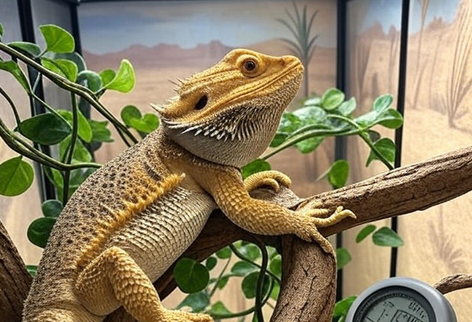
Bearded dragons thrive in specific conditions, but getting the humidity right in their tank can feel like walking a tightrope. Too dry, and their skin suffers; too wet, and you’re dealing with mold or respiratory issues. Striking that perfect balance—typically 30-40% humidity for most beardies—is key to keeping them healthy without turning their vivarium into a swamp. In this guide, I’ll walk you through practical steps to manage tank humidity effectively, share tips from my own experience with my dragon Blaze, and bust some myths that could steer you wrong. Whether you’re a new owner or a seasoned keeper, you’ll find actionable advice to keep your bearded dragon’s home just right.
Why Humidity Matters for Bearded Dragons
Bearded dragons come from Australia’s arid regions, so they’re built for dry environments. In the wild, humidity rarely exceeds 40%, and their bodies are adapted to conserve water. In a tank, maintaining humidity between 30-40% mimics their natural habitat, supporting healthy shedding and respiratory function. Too much humidity—above 50%—can lead to fungal growth, scale rot, or upper respiratory infections. Too low, below 20%, can cause dehydration or shedding issues.
Monitoring humidity is the first step to getting it right. I learned this the hard way when Blaze started showing signs of a stuck shed. A quick check revealed his tank was dipping below 20%—a problem I fixed with some of the methods below. Keeping an eye on levels ensures your dragon stays comfortable and healthy.
Tools for Monitoring and Controlling Humidity
The foundation of humidity management is knowing what’s happening in the tank. A reliable hygrometer is non-negotiable. As an Amazon Associate, I earn from qualifying purchases. I use the Exo Terra Digital Hygrometer* because it’s accurate and easy to read, giving me peace of mind about Blaze’s environment. Place it in the middle of the tank, away from water dishes or heat sources, for the most accurate reading.
For boosting humidity without overdoing it, misting devices can help. The Zoo Med Repti Fogger* is a favorite among owners for delivering a fine mist that doesn’t soak the tank. You can set it on a timer to release small bursts, avoiding that swampy vibe. Pair these tools with proper ventilation—mesh tank lids work wonders—to prevent moisture buildup.
Table: Comparing Humidity Control Methods
| Method | Pros | Cons | Best For |
|---|---|---|---|
| Misting (Manual) | Cheap, simple, precise control | Time-consuming, inconsistent | Small tanks, hands-on owners |
| Fogger (e.g., Zoo Med) | Automated, even mist distribution | Can over-humidify if not monitored | Larger tanks, busy owners |
| Water Dish | Passive, low maintenance | Limited effect, risk of spills | Minor humidity boosts |
| Humidifier (External) | Consistent for large setups | Expensive, requires space | Multi-tank setups |
This table helps you weigh options based on your setup and lifestyle. For Blaze, I combine a fogger with occasional manual misting to keep things stable.
Choosing the Right Tank Decor
Decor plays a surprising role in humidity control. Absorbent materials like wood or cloth can trap moisture, pushing levels too high. Instead, opt for non-porous options like Fluker’s Repta-Vines*. These add a natural look to the tank without holding water, which I found perfect for Blaze after he kept climbing soggy branches. Avoid piling in too many live plants, as they release moisture and can tip the tank into swamp territory. If you want greenery, stick to reptile-safe artificial plants or limit live ones to low-water species like aloe.
Substrate choice matters too. Avoid loose, organic substrates like bark that retain water. I use tile or reptile carpet for Blaze’s tank, which keeps humidity in check and makes cleaning a breeze. If you’re unsure about your setup, the Bearded Dragon Enclosure Calculator is a tool owners swear by for tailoring enclosure size, lighting, and substrate to your dragon’s needs. It helped me confirm tile was the way to go for humidity control.
Practical Tips to Avoid Excess Humidity
Here are some hands-on strategies to keep humidity balanced:
- Ventilation is Key: Ensure your tank has a mesh lid or side vents. Stagnant air traps moisture, so a small fan outside the tank can promote airflow without chilling your dragon.
- Control Water Sources: Place water dishes on the cool side of the tank to reduce evaporation. Use shallow dishes to minimize surface area. I learned this after Blaze’s oversized bowl turned his tank into a steam room.
- Mist Smartly: Mist lightly in the morning, when your dragon is less active, to let moisture evaporate during the day. Aim for the tank walls or decor rather than directly on your dragon to avoid stress.
- Check Your Room: If your home is humid, a dehumidifier in the room can help. I run one near Blaze’s tank during rainy seasons to keep ambient moisture from creeping in.
These steps, combined with regular hygrometer checks, prevent that swampy mess while keeping your dragon comfortable.
Common Myths About Tank Humidity
Let’s clear up some misconceptions that can lead to humidity headaches:
- Myth: More water means better hydration. Dumping water into the tank or over-misting doesn’t hydrate your dragon—they drink minimally and absorb moisture through their skin. Focus on controlled humidity instead.
- Myth: All substrates are fine. Organic substrates like coconut fiber sound natural but can spike humidity and harbor bacteria. Stick to non-absorbent options.
- Myth: High humidity is safe for short periods. Even a few days above 50% can foster mold or stress your dragon. Consistency is crucial.
I once fell for the “more water” myth, thinking a bigger dish would help Blaze. Instead, it pushed humidity to 60%, and I had to scramble to dry things out. Regular monitoring and the right tools prevent these mistakes.
Supporting Health in Humid Conditions
Even with perfect humidity, your dragon’s health depends on proper care. Dusting insects with a supplement like Zoo Med Repti Calcium* ensures they get essential nutrients, especially if humidity affects their appetite. Owners love this for its fine texture, which sticks well to feeders. I sprinkle it on Blaze’s crickets twice a week, especially during humid spells when he’s pickier. Always pair supplements with a varied diet and consult a vet for tailored advice.
Conclusion: Keep It Balanced, Keep It Simple
Maintaining tank humidity for your bearded dragon doesn’t have to be a chore. With the right tools, like a reliable hygrometer and a controlled misting system, and smart choices in decor and substrate, you can hit that 30-40% sweet spot without turning the tank into a swamp. Start by checking your setup with a tool like the Bearded Dragon Enclosure Calculator to ensure everything’s optimized. Have a tip that works for your dragon? Share it in the comments—I’d love to hear how you keep your tank just right!
About the Author
Dragon King is the founder of BeardedBuddies.com and a reptile enthusiast with over seven years of experience raising bearded dragons. His dragon, Blaze, once knocked over a water dish, spiking tank humidity and teaching him the importance of shallow bowls. Collaborating with herpetologists, Dragon King shares practical, trustworthy advice to help owners worldwide create thriving environments for their dragons. All advice is based on consultations with reptile experts and standard care practices.
BeardedBuddies.com collaborates with reptile experts to provide accurate, trustworthy care advice. This site participates in the Amazon Associates Program, earning from qualifying purchases.