
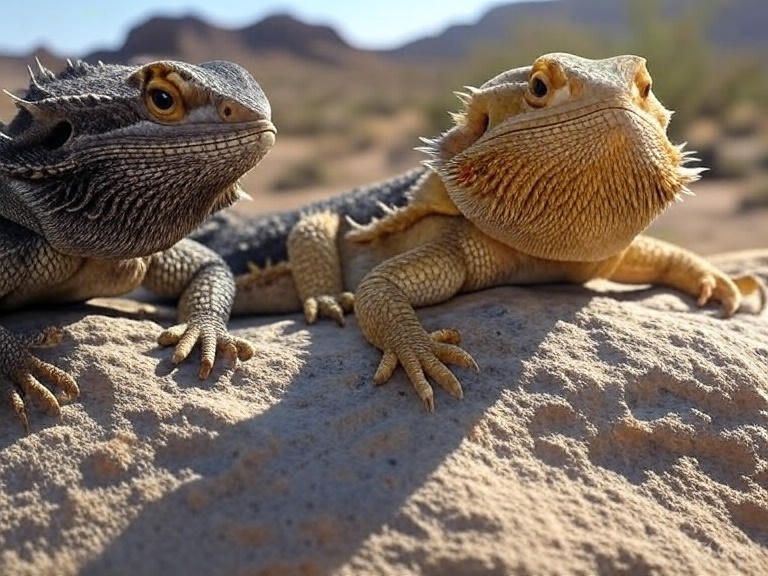
These reptiles, native to arid deserts, have a history that stretches beyond their natural habitat, touching Indigenous cultures, scientific studies, and the modern pet trade. While they weren’t domesticated like dogs or horses, bearded dragons have played surprising roles over time. This guide dives into their historical uses, from cultural significance to research contributions, and how their popularity as pets has evolved. Packed with insights from herpetology and history, it’s a deep look at why these scaly friends hold a special place today.
Bearded Dragons in Indigenous Australian Culture
Bearded dragons, or Pogona species, are native to Australia’s deserts and woodlands, where they’ve roamed for millions of years. For Indigenous Australian communities, like the Aboriginal peoples, these reptiles often appeared in the natural world as part of Dreamtime stories and survival practices. While specific references to bearded dragons in oral traditions are rare, reptiles broadly held symbolic roles, representing resilience or spiritual connections to the land.
Some Indigenous groups used small lizards, potentially including bearded dragons, as a minor food source during scarce times, as their protein-rich bodies were easy to catch. Tools and remains from archaeological sites suggest lizards were occasionally prepared by roasting over fires, though larger animals were preferred. Their spiky appearance also made them a model for carvings or art in some regions, symbolizing protection or territorial strength. These cultural uses were practical and tied to survival, not domestication, as bearded dragons remained wild creatures integrated into the ecosystem.
Early Scientific Interest and Discovery
European explorers and naturalists “discovered” bearded dragons in the 19th century as they cataloged Australia’s unique wildlife. Named Pogona after the Greek word for beard, due to their throat-puffing displays, they caught the eye of zoologists studying desert adaptations. Early records from the 1800s describe their basking habits and diet, with specimens collected for museums in Europe.
By the mid-20th century, herpetologists used bearded dragons to study reptile behavior and physiology, particularly their thermoregulation and social displays like head-bobbing. Their hardy nature made them ideal for lab settings, contributing to research on lizard ecology and evolution. Unlike other reptiles used for dissection or invasive studies, beardies were often observed alive, helping scientists understand desert survival without harming populations. These studies laid the groundwork for their later popularity as pets, showcasing their docile temperament.
Rise of Bearded Dragons in the Pet Trade
The pet trade transformed bearded dragons’ role starting in the 1980s. Exported from Australia (where wild capture is now tightly regulated), they became a hit in the U.S. and Europe for their manageable size and friendly demeanor. Breeders began developing vibrant morphs—color variations like red or hypo—making them even more appealing. By the 1990s, bearded dragons were a staple in pet stores, shifting their “use” from wild creatures to cherished companions.
This boom wasn’t without issues. Early pet owners often struggled with improper care, leading to health problems like metabolic bone disease. Educational resources, such as the Zoo Med Bearded Dragon Care Book*, became invaluable for teaching proper husbandry, covering everything from diet to lighting. The pet industry also spurred conservation debates, as over-collection raised concerns before Australia’s export bans tightened in the 2000s. Today, most pet beardies are captive-bred, reflecting a shift toward sustainable practices.
Bearded Dragons in Education and Media
Beyond homes, bearded dragons have starred in classrooms and media. Their calm nature makes them perfect for teaching kids about reptiles, often appearing in school biology programs or zoo outreach. Guides like the National Geographic Pocket Guide to Reptiles and Amphibians* highlight their traits, making them a go-to for educators explaining desert ecosystems.
In pop culture, beardies have popped up in TV shows, pet blogs, and even social media, where their quirky antics—like pancake-stacking or veggie munching—go viral. These appearances cement their status as approachable reptiles, boosting demand and encouraging responsible ownership. Owners often track their care with tools like the My Pet Bearded Dragon Care Logbook*, which helps log feeding and behaviors, a nod to how structured pet care has become since their wild days.
As an Amazon Associate, I earn from qualifying purchases.
Modern Care Practices Rooted in History
Today’s bearded dragon care reflects lessons from their historical roles. Their desert origins guide enclosure setups, with substrates like the Zilla Reptile Terrarium Liner* mimicking the dry, clean floors of their native habitat while keeping maintenance simple. Nutritional knowledge from early studies informs supplements like the Rep-Cal Herptivite Multivitamin*, ensuring dragons stay healthy in captivity, unlike early pet trade struggles.
Historical survival tactics—like burrowing or basking—shape modern enrichment, encouraging natural behaviors in tanks. The Bearded Dragon Enclosure Calculator helps owners design spaces that honor these instincts, offering tailored sizing tips that keep dragons active and stress-free—something early keepers didn’t have.
Challenges and Misconceptions
Historically, bearded dragons faced misconceptions, like being seen as disposable pets in the early trade days due to low costs. Some still believe they’re low-maintenance, but their need for precise heat, lighting, and diet proves otherwise. Another myth is that they were domesticated long ago—unlike dogs, their domestication is recent, driven by breeding, not centuries of taming.
Over-collection in the past harmed wild populations, but modern regulations and captive breeding have eased this. Owners should avoid assuming wild-caught dragons are better—captive-bred ones are healthier and better suited to home life.
Conclusion: From Outback to Our Hearts
Bearded dragons have journeyed from wild desert dwellers to cultural symbols, research subjects, and beloved pets. Their historical uses—whether as food, art inspiration, or study models—highlight their resilience and charm. Today, they thrive in our homes thanks to lessons from the past. Got a favorite beardie story or care tip inspired by their history? Share in the comments—let’s celebrate these amazing reptiles!
For tracking your dragon’s care, the Bearded Dragon Care Checklist generates a personalized PDF with daily tasks, making routines as dependable as the dragons themselves—owners love its simplicity.
BeardedBuddies.com collaborates with reptile experts to provide accurate, trustworthy care advice. This site participates in the Amazon Associates Program, earning from qualifying purchases.
About the Author
I’m Dragon King, founder of BeardedBuddies.com and a reptile enthusiast with over seven years raising bearded dragons. My dragon Blaze, now nine, inspired my dive into their history when I learned how their wild roots shape modern care. Once, I tried a loose substrate thinking it’d mimic their outback home, only for Blaze to kick it everywhere—lesson learned! Teaming up with herpetologists like Dr. Stephanie Nelk, I share tips grounded in experience and science to help you give your beardie a life as rich as their storied past.