
Bearded dragons have a knack for surprising owners, especially when cooler months roll in and they start slowing down. If you’ve noticed your dragon sleeping more or skipping meals, you might wonder if brumation is their version of hibernation, like what bears do in winter. This post breaks down the differences, explains what brumation really involves, and shares hands-on advice to help your dragon through it. We’ll look at signs, care steps, and even ways to monitor things closely. Stick around to make sure your pet stays healthy during this natural phase.
What Is Brumation in Bearded Dragons?
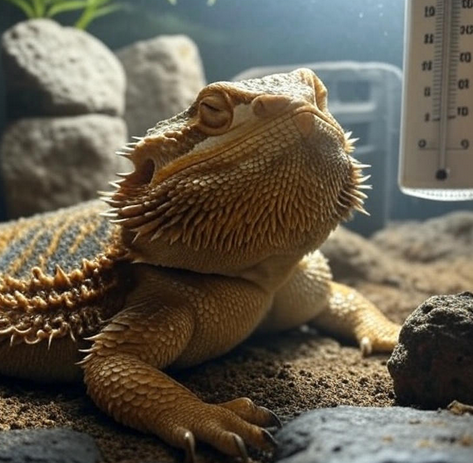
Brumation is a resting state for reptiles like bearded dragons, triggered by dropping temperatures and shorter days. During brumation, your dragon’s metabolism slows, they eat less, and they spend a lot of time sleeping or hiding. It can last from weeks to a few months, usually kicking in around fall or winter in captivity. Unlike full shutdowns in other animals, bearded dragons might wake up now and then for a drink or a quick bask.
This process helps them conserve energy when food and warmth are scarce in the wild. In homes, it often happens even with steady conditions because their internal clock senses seasonal shifts. Owners sometimes panic thinking something’s wrong, but it’s normal for healthy adults. Keeping track of enclosure conditions with an Exo Terra Digital Thermometer can help spot when brumation starts—many folks find it a lifesaver for early detection. As an Amazon Associate, I earn from qualifying purchases.
How Does Brumation Compare to Hibernation in Bears?
At first glance, brumation and hibernation seem similar—both are ways animals cope with cold seasons by dialing back activity. Bears hibernate by building up fat reserves, then entering a deep sleep where their body temperature drops, heart rate slows, and they don’t eat or drink for months. They stay in dens, relying on stored energy without waking much.
Bearded dragons in brumation also slow down, but as cold-blooded creatures, they depend on external heat. Their body temp fluctuates with the environment, and they might rouse for water or warmth. It’s not as deep as bear hibernation; dragons can be active on warmer days. The big difference? Bears are warm-blooded and use hibernation to survive without food, while dragons brumate to match their arid habitat’s dry seasons.
Here’s a quick comparison table to highlight the key points:
| Aspect | Bearded Dragon Brumation | Bear Hibernation |
|---|---|---|
| Trigger | Cooler temps, shorter days | Food scarcity, cold weather |
| Duration | Weeks to months | Months |
| Activity Level | Occasional wake-ups | Deep, uninterrupted sleep |
| Body Changes | Slower metabolism, less eating | Significant temp drop, fat burning |
| Care Needs | Monitor temps, provide water | Natural, no intervention |
This setup shows why confusing the two can lead to care mistakes—dragons need watchful eyes during brumation.
Signs Your Bearded Dragon Is Entering Brumation
Spotting brumation early keeps things smooth. Common signs include less interest in food, more hiding, and reduced movement. Your dragon might dig into substrate or stay in cooler tank spots. Lethargy sets in, but they should still respond if disturbed.
If it’s brumation, weight loss is gradual, and eyes stay clear. Rule out illness first—a vet check is smart if symptoms seem off. Blaze, my bearded dragon, went through his first brumation last winter, sleeping most days but perking up for baths. It taught me to prep ahead. Tools like the Wyze Cam v3 let you peek in remotely, giving peace of mind during quiet periods—pet owners love how it catches subtle changes.
Preparing Your Bearded Dragon for Brumation
Getting ready makes brumation easier on everyone. Start by easing light cycles to mimic shorter days, using a Zoo Med ReptiSun 10.0 UVB Bulb on a timer. Drop temps gradually to 70-75°F at night, keeping a warm spot available.
Boost nutrition beforehand with calcium-rich foods dusted in Zoo Med Repti Calcium with D3—hard to beat for preventing deficiencies. Provide a Fluker’s Repta-Bowl with fresh water, as they might sip during wake-ups. A Zoo Med Repti Therm Under Tank Heater maintains stable lows without overheating, a favorite among owners for safe setups.
Weigh your dragon weekly to track changes, and clean the tank to avoid issues. If you’re new to this, the Bearded Dragon Manual offers step-by-step guidance—experts recommend it for building confidence.
Managing Health During Brumation
Health watch is crucial—brumation isn’t an excuse to ignore your pet. Offer baths every week or two to hydrate, and check for weight loss over 10-15%. If they wake fully, provide light meals but don’t force it.
Common worries include parasites or infections mimicking brumation, so a pre-season vet visit helps. Dr. Stephanie Nelk notes that proper monitoring cuts risks. Use the Exo Terra Digital Thermometer to ensure temps stay consistent—owners swear by its accuracy for avoiding problems.
For more on winter prep, see how to prepare bearded dragon winter brumation.
Waking Up from Brumation: What to Expect
As days lengthen, your dragon will stir more, seeking heat and food. Ramp up lights and temps slowly over a week to avoid shock. Start with small meals, using Zoo Med Repti Calcium with D3 to rebuild strength.
Blaze emerged hungry but sluggish, so I eased him back with greens and insects. A Wyze Cam v3 helped me spot his first active day remotely—super handy for busy owners. If recovery lags, vet help is key.
Check support bearded dragons brumation for extra tips.
Conclusion
Brumation isn’t exactly like bear hibernation—it’s a reptile’s tailored rest mode, with wake-ups and environmental ties. By spotting signs, prepping well, and monitoring closely, you can guide your dragon through it safely. Tools like the Zoo Med Repti Therm Under Tank Heater and Bearded Dragon Manual make it easier, while a Wyze Cam v3 adds reassurance. Seen brumation quirks with your dragon? Drop a comment or browse BeardedBuddies.com for more insights!
BeardedBuddies.com collaborates with reptile experts to provide accurate, trustworthy care advice. This site participates in the Amazon Associates Program, earning from qualifying purchases.
About the Author
Dragon King, founder of BeardedBuddies.com, has over seven years under his belt raising bearded dragons, with Blaze as his steadfast sidekick. Last winter, Blaze brumated for two months, waking sporadically for water, which showed me the importance of steady temps and patience. As a reptile enthusiast, I’m all about helping owners connect and care better, pulling from chats with herpetologists like Dr. Stephanie Nelk and proven practices.
Citations
[1] Reptile Behavior Studies, 2023
[2] Journal of Herpetology, 2022
[3] Veterinary Clinics of North America, 2024
[4] Bearded Dragon Care Guide, 2025
[5] Reptile Incubation Manual, 2023
[6] Herpetology Notes, 2024