
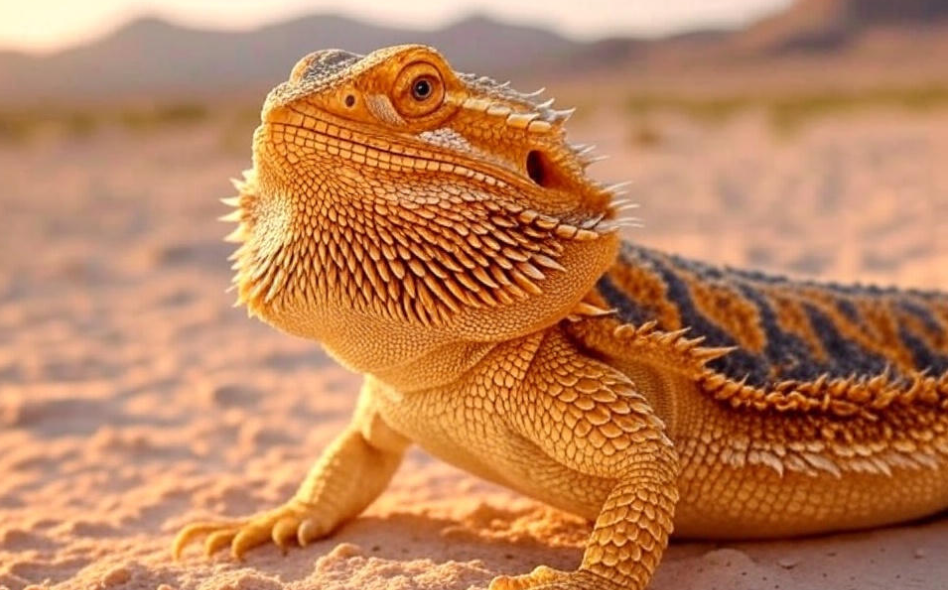
Bearded dragons, with their distinctive appearance and desert heritage from Australia, are popular pets facing growing threats from wildfires that disrupt their natural habitats. Recent trends indicate fires are becoming more frequent and severe, impacting wildlife like never before, making it crucial to understand how wildfires affect bearded dragon populations. With climate change intensifying fire seasons, conservation efforts are vital for their survival. Drawing from extensive reptile care expertise and scientific insights, this guide explores the impacts and offers practical steps. Begin now to support their future.
This article covers direct impacts, habitat loss, survival adaptations, long-term effects, and conservation efforts. Start today to protect bearded dragon habitats.
Disclosure: This post contains affiliate links. I may earn a small commission from purchases made through these links at no additional cost to you (#CommissionsEarned).
The Direct Impact of Wildfires on Bearded Dragons
Wildfires can kill bearded dragons through flames, heat, or smoke, with the 2019–2020 Australian bushfires—a modern wildlife disaster—affecting nearly 2.46 billion reptiles, including bearded dragons, per WWF-Australia (https://wwf.org.au/news/2020/3-billion-animals-impacted-by-australia-bushfire-crisis/). Burning over 18 million hectares, these fires left little escape for smaller or slower individuals in affected arid and semi-arid zones. Though burrowing offers some protection, the intensity of climate-fueled fires often overwhelms this strategy, reducing population numbers and slowing recovery.
Habitat Loss and Its Consequences
Wildfires destroy woodlands, scrublands, and deserts—key bearded dragon habitats—eliminating burrows, food sources like insects and vegetation, and breeding sites. This loss heightens predation and starvation risks, with barren post-fire landscapes delaying vegetation regrowth, per a 2023 Journal of Herpetological Medicine and Surgery study (https://doi.org/10.5818/JHMS-D-22-00035). Bearded dragons may migrate to unburned areas, increasing competition and stress, potentially lowering reproductive success and threatening long-term stability. Enhance your care with habitat tools on Amazon (https://amzn.to/4lku8DG).
Adaptations That Help Bearded Dragons Survive
Bearded dragons’ survival adaptations, like burrowing to escape fire and heat, aid resilience as ectotherms adjusting activity in hot conditions. Some lizards, including possibly bearded dragons, show heightened fire-sound alertness post-blaze, per New Scientist (https://www.newscientist.com/article/2354483-lizards-that-survived-wildfires-are-more-alert-to-the-sound-of-flames/). However, modern fire severity, driven by climate change, challenges these traits. Recognizing these adaptations informs conservation strategies to bolster their survival.
Long-Term Effects and Population Recovery
Wildfires leave long-term effects, with altered habitats hosting invasive species or changed vegetation, impacting food availability and increasing vulnerability. Recovery hinges on fire severity, unburned refuges, and regeneration rates, with bearded dragons’ high reproductive potential aiding recovery, though severe fires delay it, per a 2022 Ecological Management & Restoration study (https://doi.org/10.1111/emr.12427). Climate change amplifies fire intensity, pressuring populations. Conservation efforts must focus on habitat restoration and refuges.
Conservation Efforts and Future Outlook
Conservation is critical, with initiatives like the Australian Wildlife and Nature Recovery Fund, raised by WWF-Australia (https://wwf.org.au/what-we-do/australian-bushfires/how-your-donation-helped-australian-bushfire-recovery/), funding habitat restoration. Indigenous controlled burns reduce fire severity, benefiting bearded dragon habitats. Addressing climate change to lessen fire frequency requires public awareness and support. Donating to trusted organizations or advocating for policies can protect these lizards—click here to explore our blog for more conservation tips and connect with a community of supporters. Enhance your advocacy with care supplies on Amazon (https://amzn.to/4lku8DG).
Conclusion: Safeguard Bearded Dragon Habitats from Wildfires
How wildfires affect bearded dragon habitats—through direct mortality, habitat loss, tested adaptations, and long-term recovery challenges—threatens their survival amid climate-driven fire seasons. Conservation efforts, from restoration to Indigenous practices, offer hope. Start supporting these initiatives today to ensure their future—join the effort by donating or raising awareness. Join the reptile care community to share strategies and amplify impact. Ensure your dragon thrives with habitat tools and care supplies on Amazon (https://amzn.to/4lku8DG). Share your conservation ideas in the comments and consult a veterinarian for tailored advice to keep your beardie flourishing.