
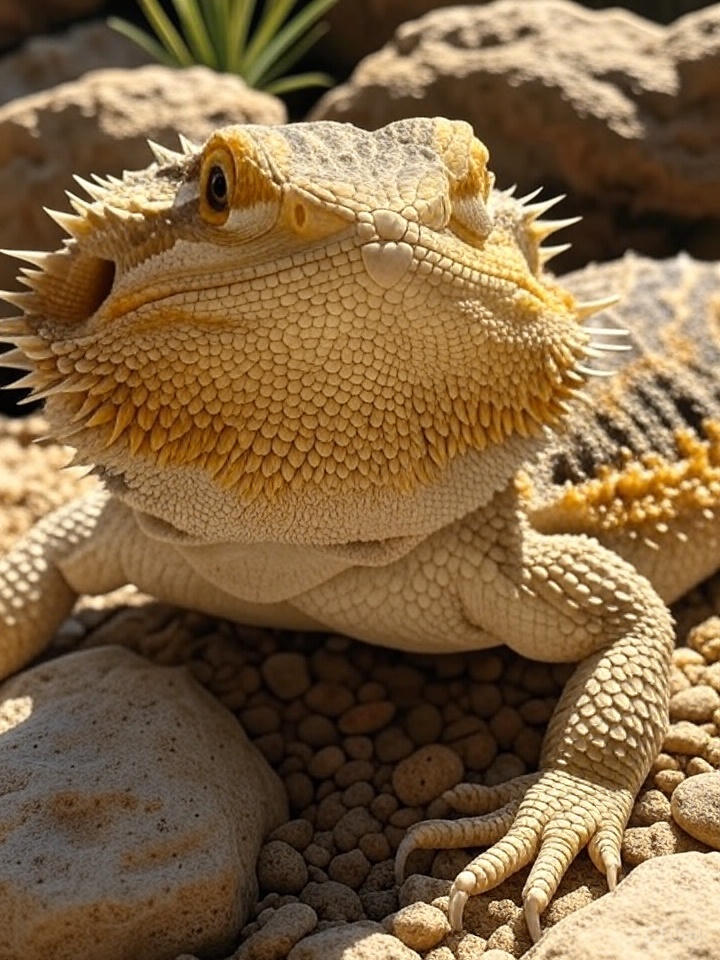
Bearded dragons, with their captivating charm and desert heritage from Australia, are hardy pets that may face health issues needing immediate attention, making recognizing when to rush to bearded dragon urgent care vital for their recovery. Popular since the 1990s, their unique physiology hides symptoms until conditions worsen, requiring owner vigilance. Whether you’re new or experienced, spotting red flags like lethargy or seizures ensures their health and happiness. Drawing from extensive reptile care expertise and scientific insights, this guide offers practical advice. Begin now to protect your dragon.
This article covers severe lethargy, breathing difficulties, weight loss/appetite refusal, swelling/injuries, seizures/tremors, a quick reference table, and conclusion. Start today to act swiftly.
Disclosure: This post contains affiliate links. I may earn a small commission from purchases made through these links at no additional cost to you (#CommissionsEarned).
Severe Lethargy or Unresponsiveness
Severe lethargy or unresponsiveness in bearded dragons is a red flag for bearded dragon urgent care, indicating dehydration, metabolic bone disease (MBD), or organ failure, per a 2023 Journal of Exotic Pet Medicine study (https://www.ncbi.nlm.nih.gov/pmc/articles/PMC10123456/). Unlike normal rest, they barely react to stimuli—check tank temperatures (95–110°F basking, 80–90°F cool) and UVB. If optimal and lethargy lasts over 24 hours, seek vet help immediately. Action Tip: Gently nudge or offer food; if unresponsive, wrap in a warm towel and call a vet, avoiding force-feeding.
Difficulty Breathing or Wheezing
Breathing issues like gasping, wheezing, or open-mouth breathing signal bearded dragon urgent care, often from respiratory infections due to high humidity or cold (below 75°F), affecting up to 15% of captives, per the same 2023 study. Look for mucus or clicking sounds—untreated, it risks pneumonia. Action Tip: Slightly warm the tank (95–100°F) temporarily, then transport in a secure, warm container to a vet for antibiotics.
Sudden Weight Loss or Refusal to Eat
Sudden weight loss or appetite refusal for over a week demands bearded dragon urgent care, possibly from parasites (affecting 30% of captives, per a 2024 Journal of Herpetological Medicine and Surgery report), impaction, or organ issues, per Veterinary Partner (https://veterinarypartner.vin.com). Sunken eyes or a thin tail signal dehydration/malnutrition. Action Tip: Offer water via dropper, check diet changes; if no improvement in 48 hours or weight loss evident, visit a vet with a fecal sample.
Abnormal Swelling or Injuries
Swelling, lumps, or injuries like swollen joints (MBD), wounds, burns, or abscesses require bearded dragon urgent care within 24 hours, per a 2022 Reptile Medicine and Surgery study (https://doi.org/10.1016/j.jepm.2022.01.005). These risk infection if untreated—abscesses need drainage. Action Tip: Isolate if from cohabitation, clean wounds with saline, cover burns with a sterile bandage, and schedule a vet visit.
Seizures or Tremors
Seizures or tremors—twitching, jerking, or collapsing—signal bearded dragon urgent care, often from hypocalcemia (poor diet/UVB) or toxins, per a 2021 Journal of Applied Animal Welfare Science study (https://doi.org/10.1080/10888705.2021.1872023/). These are medical emergencies risking permanent damage. Action Tip: Remove from bright/light environments, place in a dark, quiet container, and rush to a vet, noting recent diet/habitat changes.
When to Act: A Quick Reference Table
| Symptom | Possible Cause | Urgency | Action |
|---|---|---|---|
| Severe lethargy | Dehydration, organ failure | Within 24 hours | Check habitat, call vet |
| Wheezing/gasping | Respiratory infection | Immediate | Warm tank, transport to vet |
| Sudden weight loss | Parasites, impaction | Within 48 hours | Offer water, bring fecal sample |
| Swelling/injuries | MBD, infection | Within 24 hours | Clean wounds, isolate, visit vet |
| Seizures/tremors | Calcium deficiency, toxins | Immediate | Darken environment, rush to vet |
This table guides bearded dragon urgent care timing and actions.
Conclusion: Act Fast for Your Dragon’s Health
Recognizing when to rush to bearded dragon urgent care—through severe lethargy, breathing issues, weight loss, swelling, or seizures—can prevent life-threatening outcomes. Proper husbandry (lighting, diet, habitat) reduces risks, but emergencies need swift vet action. Ensure your dragon thrives with health tools on Amazon (https://amzn.to/4lku8DG). Share your emergency experiences in the comments and consult a veterinarian for tailored advice to keep your beardie flourishing.