
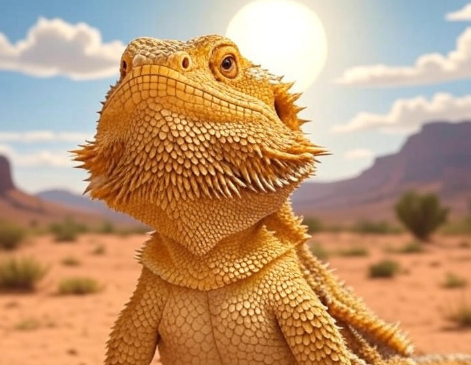
Breeding bearded dragons can be an exciting journey for reptile enthusiasts, but it starts with creating the perfect environment. A well-designed breeding enclosure ensures your dragons are healthy, comfortable, and ready to produce strong offspring. From tank size to lighting and lay boxes, every detail matters. In this guide, I’ll walk you through setting up a breeding enclosure that meets your dragons’ needs, with practical tips and expert insights to make the process stress-free. Whether you’re a first-time breeder or a seasoned pro, let’s create a space where your beardies can thrive!
Why a Breeding Enclosure Is Different
A breeding enclosure requires more than a standard bearded dragon setup. It must support the health of both the male and female, provide space for mating behaviors, and include a safe area for egg-laying. Key differences include larger tank sizes, precise temperature and humidity control, and a lay box for the female. Improper setups can stress your dragons, reduce breeding success, or harm egg development. My bearded dragon, Blaze, once shared a temporary setup that taught me the importance of space—his grumpy head-bobs signaled he needed room to court his mate! Let’s dive into the essentials for a successful breeding enclosure.
Key Components of a Breeding Enclosure
Here’s a breakdown of the must-have components for a bearded dragon breeding enclosure, compared to a standard setup:
| Component | Breeding Enclosure | Standard Enclosure | Why It Matters for Breeding |
|---|---|---|---|
| Tank Size | 75–120 gallons (4x2x2 ft minimum) | 40–75 gallons | Provides space for mating and egg-laying |
| UVB Lighting | High-output 10.0 UVB tube (e.g., included in Zoo Med ReptiHabitat Bearded Dragon Kit*) | Standard 10.0 UVB | Supports egg development and calcium absorption |
| Temperature | Basking 95–100°F, cool side 80–85°F | Basking 90–95°F, cool side 75–80°F | Stimulates breeding behavior and egg health |
| Humidity | 30–40%, monitored with Exo Terra Digital Thermometer/Hygrometer* | 20–30% | Prevents egg binding and supports shedding |
| Substrate | Digging-friendly (e.g., sand/soil mix) + lay box | Tile or paper | Allows natural egg-laying behavior |
| Lay Box | Zilla Reptile Spring Cave* or similar | Not needed | Safe, private space for egg deposition |
As an Amazon Associate, I earn from qualifying purchases.
1. Tank Size and Structure
A breeding pair needs a spacious enclosure to reduce stress and allow natural behaviors. A 75–120-gallon tank (4x2x2 ft or larger) is ideal. The Zoo Med ReptiHabitat Bearded Dragon Kit* is a great starting point, offering a 40-gallon base that can be upgraded for breeding. Owners love its included lighting and substrate, but you’ll need a larger tank for a pair. Ensure the enclosure has secure ventilation and a screen top for UVB penetration.
2. Lighting and Temperature
Proper lighting and heat are critical for breeding. A high-output 10.0 UVB tube, like the one in the Zoo Med ReptiHabitat Bearded Dragon Kit, supports calcium absorption for egg development. Maintain a basking spot of 95–100°F and a cool side of 80–85°F. Use a reliable Exo Terra Digital Thermometer/Hygrometer to monitor conditions—breeders swear by its accuracy for maintaining stable environments. A ceramic heat emitter can provide nighttime warmth without disturbing sleep cycles.
3. Humidity Control
Breeding enclosures need slightly higher humidity (30–40%) to prevent egg binding and support shedding. The Exo Terra Digital Thermometer/Hygrometer* helps you track humidity levels precisely. Mist the enclosure lightly or add a shallow water dish, but avoid over-wetting to prevent mold. A well-ventilated tank keeps humidity balanced.
4. Substrate and Lay Box
For egg-laying, provide a digging-friendly substrate like a sand/soil mix (avoid loose sand alone to prevent impaction). Include a lay box, such as the Zilla Reptile Spring Cave*, filled with moist vermiculite or soil. This cave is a favorite for its privacy, helping females feel secure while laying eggs. Ensure the lay box is deep enough (8–12 inches) for digging.
5. Nutrition for Breeding
Breeding dragons need extra calcium to support egg production and overall health. Dust insects with Zoo Med Repti Calcium with D3 (3oz)*, a go-to for breeders due to its easy application and effectiveness. Offer a varied diet of insects (crickets, dubia roaches) and leafy greens to keep both dragons in peak condition.
Steps to Set Up the Breeding Enclosure
Follow these steps to create a breeding-ready enclosure:
- Choose the Tank: Start with a 75–120-gallon tank or use the Zoo Med ReptiHabitat Bearded Dragon Kit* as a base and upgrade size. Ensure it’s placed in a quiet, low-traffic area.
- Install Lighting and Heat: Set up a high-output UVB tube and basking lamp. Use the Exo Terra Digital Thermometer/Hygrometer* to confirm temperatures (basking 95–100°F, cool side 80–85°F).
- Add Substrate and Lay Box: Lay down a safe substrate and place the Zilla Reptile Spring Cave* filled with moist vermiculite in a corner for egg-laying.
- Monitor Conditions: Check humidity (30–40%) daily with the Exo Terra Digital Thermometer/Hygrometer* and adjust as needed.
- Introduce the Pair: Introduce the male and female gradually, observing for aggression. Provide hiding spots to reduce stress.
- Support Nutrition: Dust food with Zoo Med Repti Calcium with D3 (3oz)* and offer a nutrient-rich diet.
Planning to breed specific morphs? Use the Bearded Dragon Morph Predictor to forecast offspring traits like Hypo or Leatherback. Few tools offer such tailored insights, making it a must-have for serious breeders.
Common Risks and How to Avoid Them
Breeding enclosures come with challenges. Here’s how to avoid common pitfalls:
- Stress from Small Tanks: A cramped enclosure can cause aggression. Ensure at least 75 gallons for a pair.
- Improper Lighting: Inadequate UVB can lead to egg-binding or weak offspring. Use a high-output UVB tube from the Zoo Med ReptiHabitat Bearded Dragon Kit*.
- Incorrect Humidity: Too low humidity risks egg-binding; too high can cause respiratory issues. Monitor with the Exo Terra Digital Thermometer/Hygrometer*.
- Poor Nutrition: Calcium deficiency can weaken eggs. Supplement with Zoo Med Repti Calcium with D3 (3oz)*.
Blaze’s mate once struggled with egg-laying until I added a proper lay box like the Zilla Reptile Spring Cave*, which made all the difference. Consult a reptile veterinarian, like Dr. Stephanie Nelk, for tailored advice on your dragons’ needs.
Tips for Breeding Success
- Observe Behavior: Watch for courtship signs (head-bobbing, arm-waving) to confirm the pair is compatible.
- Check Egg Health: After laying, ensure eggs are incubated at 82–86°F in a separate incubator.
- Plan for Hatchlings: Prepare a separate enclosure for babies, as adults may become territorial.
- Track Morphs: Use the Bearded Dragon Morph Predictor to plan pairings and predict stunning offspring traits.
Myths About Breeding Enclosures
Let’s debunk common myths:
- Myth: A standard enclosure works for breeding.
Truth: Breeding requires a larger tank and a lay box like the Zilla Reptile Spring Cave* for safe egg-laying. - Myth: Humidity doesn’t matter.
Truth: Precise humidity (30–40%) is crucial, easily monitored with the Exo Terra Digital Thermometer/Hygrometer*. - Myth: Any calcium supplement is fine.
Truth: Breeding dragons need reliable supplements like Zoo Med Repti Calcium with D3 (3oz)* to support egg health.
Conclusion: Build a Breeding Haven
Setting up a bearded dragon breeding enclosure with the right tools—like the Zoo Med ReptiHabitat Bearded Dragon Kit, Exo Terra Digital Thermometer/Hygrometer, Zilla Reptile Spring Cave, and Zoo Med Repti Calcium with D3 (3oz)—ensures your dragons thrive and produce healthy offspring. Focus on space, lighting, and nutrition, and use tools like the Bearded Dragon Morph Predictor to plan your breeding goals. Have a breeding setup tip or success story? Share it in the comments—I’d love to hear how you’re creating a dragon dynasty!
BeardedBuddies.com collaborates with reptile experts to provide accurate, trustworthy care advice. This site participates in the Amazon Associates Program, earning from qualifying purchases.
About the Author
Dragon King is the founder of BeardedBuddies.com and a passionate reptile enthusiast with over seven years of experience raising bearded dragons. His dragon, Blaze, once sparked a breeding adventure by head-bobbing at a female in a shared tank, teaching Dragon King the importance of a spacious setup. Collaborating with herpetologists, he shares practical advice to help owners worldwide. All tips are based on standard reptile care practices and expert consultations.