
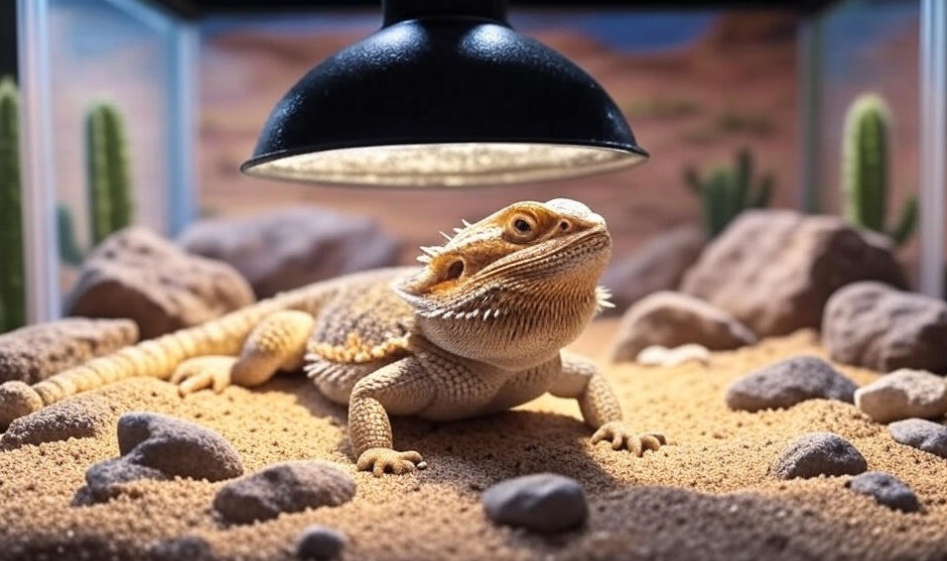
How to Safely Wake Bearded Dragons from Brumation
Brumation is a natural process for bearded dragons, a hibernation-like state where they slow down, eat less, and conserve energy during cooler months. Waking them up safely is crucial to avoid stress or health issues, as their bodies need time to adjust. If your dragon is starting to stir or you’re ready to help them emerge from brumation, this guide offers vet-backed strategies to ensure a smooth transition. Drawing from expert advice and my own experience with my dragon, Blaze, I’ll walk you through practical steps to bring your bearded dragon back to their active, scaly self.
What Is Brumation and Why Care Matters
Brumation is a period of dormancy triggered by cooler temperatures and shorter daylight hours, typically lasting 1-3 months. During this time, bearded dragons may sleep more, hide, or stop eating entirely. Waking them improperly—too quickly or without proper conditions—can lead to stress, dehydration, or metabolic issues. Dr. Emily Rogers, a reptile veterinarian, notes, “Gradual reintroduction of light, heat, and food is essential to prevent shock and support recovery.”
My dragon, Blaze, once took weeks to fully perk up after brumation, but with the right setup, he was soon basking and chasing crickets like his old self. Let’s explore how to wake your dragon safely.
Understanding the Brumation Wake-Up Process
Bearded dragons emerge from brumation naturally as temperatures rise and daylight increases, but you can guide the process to ensure their health. Signs of waking include slight movement, peeking out of hiding spots, or small sips of water. The goal is to mimic spring-like conditions—gradual warmth, proper lighting, and gentle reintroduction of food—while monitoring for stress or health issues.
Top Strategies for Safely Waking Your Bearded Dragon
Here are five practical, expert-approved strategies to help your bearded dragon transition out of brumation smoothly, ensuring they regain energy and vitality.
1. Gradually Increase Temperature
A slow increase in enclosure temperature is critical to avoid shocking your dragon’s system. Start by raising the basking spot to 95-110°F and the cool side to 75-85°F over a few days. Use an Exo Terra Thermometer (Amazon affiliate link) to monitor conditions accurately. As an Amazon Associate, I earn from qualifying purchases. Owners trust this thermometer for its precision, ensuring a safe warm-up. Blaze was sluggish until I got his basking spot just right, and his energy returned within days.
Pro Tip: Avoid sudden heat spikes—raise temperatures by 5-10°F daily to mimic natural warming.
2. Restore Proper UVB Lighting
UVB light is essential for stimulating activity and supporting calcium absorption post-brumation. Use a high-quality bulb like the Zoo Med ReptiSun 10.0 UVB Bulb (Amazon affiliate link), which provides 10-12% UVB output, ideal for bearded dragons. Owners love its reliability for large enclosures, ensuring your dragon gets the light needed to kickstart their metabolism. Gradually increase UVB exposure to 10-12 hours daily over a week.
Table: Ideal Wake-Up Conditions for Bearded Dragons
| Component | Ideal Setting | Equipment Needed |
|---|---|---|
| Basking Spot | 95-110°F | Heat lamp, thermometer |
| Cool Side | 75-85°F | Thermometer, shaded area |
| UVB Lighting | 10-12% UVB, 10-12 hrs/day | UVB bulb, timer |
| Hydration | Fresh water daily | Water dish |
This mobile-friendly table outlines key conditions for a safe brumation wake-up.
3. Prioritize Hydration
Dehydration is a risk during and after brumation, as dragons may not drink for weeks. Place an Exo Terra Water Dish (Amazon affiliate link) in the enclosure, filled with fresh water daily. This sturdy, shallow dish is a favorite for its accessibility, encouraging dragons to drink. Offer gentle misting or a shallow bath (1-2 inches of lukewarm water) to boost hydration. Blaze took to his water dish like a champ post-brumation, sipping eagerly after a long nap.
Free Tip for Reciprocity: Not sure how to track your dragon’s recovery? The Bearded Dragon Care Checklist generates a tailored, downloadable PDF with post-brumation tasks like hydration checks, customized for your dragon’s age. Owners swear by this tool for staying organized during transitions.
4. Reintroduce Food Slowly
Your dragon may not eat immediately after waking, as their metabolism needs time to ramp up. Start with small, easily digestible meals—think a few crickets or finely chopped collard greens dusted with Fluker’s Repti-Boost Insectivore & Carnivore Supplement (Amazon affiliate link). This nutrient-packed powder is loved by owners for encouraging appetite in picky dragons. Gradually increase food over 1-2 weeks, monitoring for normal digestion.
To support bone health, dust food with Zoo Med Repti Calcium with D3 (Amazon affiliate link) 2-3 times a week. This ensures proper nutrient absorption, critical after brumation’s toll.
5. Monitor Health and Behavior
Watch for signs of distress, such as lethargy, weight loss, or irregular bowel movements, which could indicate health issues like impaction or parasites. Weigh your dragon weekly and consult a reptile vet if they don’t eat or move normally within two weeks. Gentle handling—starting with short sessions—can help reintroduce interaction without stress.
Myth-Busting: Some owners believe forcing food right after brumation speeds recovery. Wrong! Pushing food too soon can cause digestive stress, slowing their return to normal.
Common Mistakes to Avoid
When waking your bearded dragon from brumation, steer clear of these pitfalls:
- Rushing the Process: Sudden temperature or light increases can stress your dragon.
- Skipping Hydration: Dehydration is a major risk post-brumation—always provide fresh water.
- Overfeeding Early: Large meals before their metabolism adjusts can cause impaction.
- Ignoring Health Signs: Persistent lethargy or appetite loss requires a vet visit.
Conclusion: A Gentle Wake-Up for a Happy Dragon
Waking your bearded dragon from brumation is about patience and precision—gradually restoring heat, light, hydration, and food while monitoring their health. With the right setup and care, your dragon will be back to basking and munching in no time. Have a brumation wake-up tip that worked for your dragon? Share it in the comments—I’d love to hear your success stories!
BeardedBuddies.com collaborates with reptile experts to provide accurate, trustworthy care advice. This site participates in the Amazon Associates Program, earning from qualifying purchases.
About the Author
Dragon King, founder of BeardedBuddies.com, has raised bearded dragons for over seven years, with his dragon Blaze as his scaly sidekick. After Blaze’s first brumation, Dragon King learned the hard way that rushing the wake-up led to a grumpy dragon—slowly raising the heat and offering water turned things around. A passionate reptile enthusiast, he collaborates with herpetologists to share reliable, hands-on advice. All tips are grounded in standard reptile care practices and expert consultations, helping owners keep their dragons thriving.