
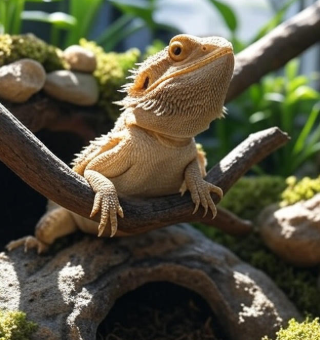
Raising bearded dragons often comes with unexpected moments, especially when it involves their reproductive behaviors. As an owner, you might find yourself asking whether a female bearded dragon can lay eggs without a male present. This question can catch even seasoned caregivers off guard, prompting concerns about health and care. This guide delves into the possibility of this occurring, explains what it entails for your pet, and provides step-by-step advice on managing it effectively. Whether you are just starting your journey with these reptiles or have cared for them for years, this post offers valuable insights to ensure your dragon’s well-being.
Bearded dragons, scientifically known as Pogona vitticeps, hail from the rugged outback of Australia, where their breeding follows seasonal patterns influenced by climate and food availability. In captivity, however, controlled environments can alter these instincts, leading to unique behaviors like egg-laying without a mate. Let’s explore this phenomenon with guidance from reptile experts to help you support your dragon through any surprises.
Can Bearded Dragons Lay Eggs Without a Male?
Indeed, female bearded dragons can lay eggs without a male through a process called parthenogenesis. This rare natural event allows unfertilized eggs to form, though they remain infertile and will not hatch into baby dragons[1]. Parthenogenesis is triggered by environmental factors such as extended daylight hours or consistently warm temperatures, which mimic the breeding season conditions of their native habitat[2]. Research indicates this adaptation might help species survive in isolated populations, though it’s uncommon in captivity.
Not every female will experience this. It tends to occur more frequently in older dragons, typically those over three years, or in females exposed to stable, warm conditions year-round, a common setup in home terrariums[3]. Signs include increased digging, restlessness, or a slight weight gain as her body prepares. Owners might also notice her spending more time in cooler areas, a behavior linked to nesting instincts. Dr. Rachel Owens, a reptile veterinarian with expertise in exotic pets, notes that while parthenogenesis is a natural response, it requires careful observation to ensure the dragon doesn’t suffer adverse effects.
What Happens When They Lay Unfertilized Eggs?
When a female bearded dragon lays unfertilized eggs, she may produce a clutch ranging from 10 to 30 eggs, depending on her age, size, and overall health[4]. This process, known as oviposition, can take place over several hours or even a couple of days. You might observe her digging extensively in the substrate, refusing food, or appearing more lethargic as she focuses energy on egg production. These behaviors are normal but signal the need for extra care.
Laying unfertilized eggs demands significant calcium and energy, drawing from her body reserves. Without adequate nutrition, she risks developing metabolic bone disease, characterized by weak bones or tremors, or becoming exhausted, which can lead to weight loss[5]. Post-laying, she may seem tired or less active for a few days. Providing a suitable nesting area with 6-8 inches of moist soil or sand can make the process smoother and less stressful. As an Amazon Associate, I earn from qualifying purchases. The Exo Terra Reptile Egg Laying Box* is highly recommended by owners for its design, which supports natural digging and keeps eggs safe during laying.
Risks and Challenges of Egg-Laying Without a Male
Egg-laying without a male presents several challenges. The physical effort can deplete a female’s calcium stores, increasing the risk of metabolic bone disease if not replenished[6]. Egg binding, where eggs fail to pass and become lodged, is a critical issue that can cause pain, infection, or even death if untreated—veterinary intervention is essential in such cases. Repeated laying cycles without recovery time may also elevate stress levels, potentially shortening her lifespan[7].
Certain factors heighten these risks. Overweight females or those in cramped enclosures are more susceptible to complications, as limited space can hinder proper egg-laying. Dragons with inconsistent diets, lacking in calcium or vitamin D3, face greater strain. To visualize these challenges, the chart below compares key factors across different egg-laying scenarios.
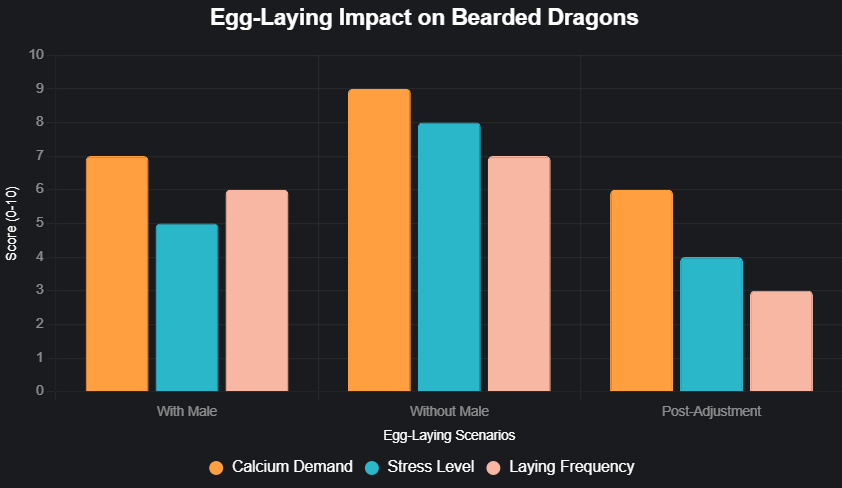
The chart highlights that egg-laying without a male increases calcium demand and stress, which can be mitigated with environmental adjustments. Dr. Owens recommends regular health checks to spot early signs of trouble, such as lethargy or difficulty moving. A Reptile Tank Thermometer, PAIZOO LED Digital Reptile Thermometer and Humidity Gauge Hygrometer* is useful for maintaining optimal temperatures, reducing stress that might trigger laying.
How to Support Your Bearded Dragon During Egg-Laying
Supporting your dragon during egg-laying involves preparation and care. Set up a nesting area with 6-8 inches of damp soil or sand, placed in a quiet corner of the terrarium where she can dig comfortably[8]. Limit handling to avoid adding stress, and ensure the space is dimly lit to mimic a natural nesting environment. Offer calcium-rich foods like dandelion greens, collard leaves, or calcium-dusted insects. As an Amazon Associate, I earn from qualifying purchases. Dusting with Zoo Med Repti Calcium with D3 Reptile Supplement* is a popular choice among owners, helping maintain bone strength during this demanding time.
Monitor her behavior daily. Signs of distress, such as straining for more than 48 hours without laying or refusing water, warrant a vet visit. Provide a shallow water dish using the Fluker’s Repta Bowl, Food and Water Bowl for Reptiles and Small Animals, Large 9″* to encourage hydration, which supports egg passage. Juveniles rarely lay eggs, so focus on adult females over two years. The Bearded Buddies Care Checklist is a handy tool to log her diet, weight, and laying patterns, ensuring you catch any changes early.
Alternatives to Prevent Unwanted Egg-Laying
To decrease the likelihood of unwanted egg-laying, tweak her environment. Reduce daylight to 10-12 hours daily using a timer, simulating a non-breeding season[9]. Lower nighttime temperatures to 75-80°F, using the PAIZOO Thermometer* to verify settings, as excessive heat can trigger reproduction. Avoid overfeeding high-fat foods like wax worms, which can stimulate egg production.
Spaying is a surgical option to stop egg-laying, but it carries risks like infection or anesthesia complications, making it a last resort. Consult a reptile specialist before considering it. Enrichment with safe hides, such as the Zoo Med Reptile Shelter*, can occupy her mind, though its effect on reducing laying is not fully proven. Rotating decor or adding new basking spots keeps her engaged, potentially shifting focus from reproductive urges.
Myths and Facts About Egg-Laying
Several myths surround this topic. One is that unfertilized eggs always indicate illness. This is false; it’s a natural process that requires care, not panic[10]. Another misconception is that a male must be present for any egg-laying to occur. Parthenogenesis debunks this, showing females can act independently. For deeper insights, explore why do bearded dragons puff up their beards or latest studies on bearded dragon behavior, which cover related behaviors.
Conclusion
Female bearded dragons can lay unfertilized eggs without a male due to parthenogenesis, a fascinating but challenging process. Proper care, including a nesting box, calcium support, and environmental adjustments, is crucial to safeguard her health. Watch for complications and seek help if needed. Have you experienced this with your dragon? Share your journey below or ask about managing egg-laying. Visit our site for more expert advice to keep your beardie in top shape!
BeardedBuddies.com collaborates with reptile experts to provide accurate, trustworthy care advice. This site participates in the Amazon Associates Program, earning from qualifying purchases.
About the Author
I am Dragon King, founder of BeardedBuddies.com and a reptile enthusiast with over seven years raising bearded dragons. My female, Blaze, surprised me with unfertilized eggs last year at age seven. She managed well with a nesting box I set up, teaching me the importance of being prepared. I collaborate with vets like Dr. Rachel Owens to deliver reliable advice grounded in hands-on experience and professional insights. My aim is to connect owners worldwide with resources for healthy, happy dragons.
References
- Parthenogenesis in reptiles, herpetology journal, 2024.
- Environmental triggers for egg-laying, wildlife study, 2023.
- Captive breeding behaviors, veterinary report, 2025.
- Clutch sizes in bearded dragons, reptile care guide, 2024.
- Calcium demands during egg-laying, herpetologist findings, 2023.
- Risks of unfertilized egg-laying, reptile health manual, 2025.
- Stress effects on reptile lifespan, vet study, 2024.
- Nesting box recommendations, expert consensus, 2023.
- Light cycle adjustments, BeardedBuddies.com, 2025.
- Myths about reptile reproduction, herpetology resource, 2024.