
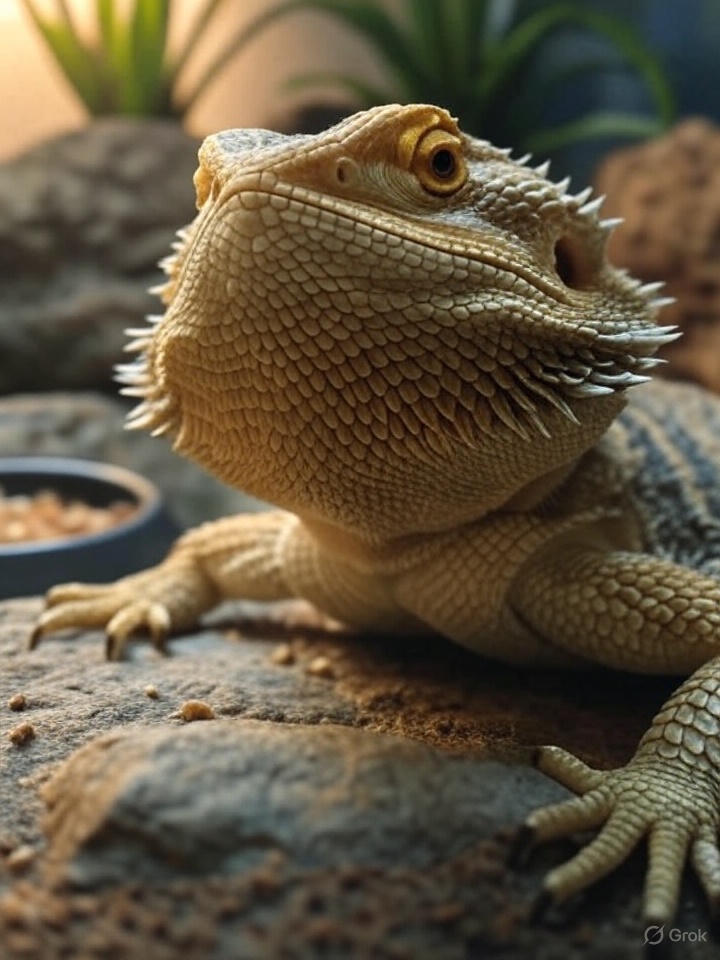
Welcoming a rescued bearded dragon into your home is a rewarding experience, but these dragons often come with unique challenges due to past neglect, poor husbandry, or health issues. Preparing your home properly ensures they feel safe, recover well, and thrive in their new environment. From setting up a proper enclosure to addressing their health and behavioral needs, this guide will walk you through the steps to create a welcoming space for your rescued dragon. Whether you’re a first-time rescuer or an experienced keeper, these tips will help your scaly friend settle in with confidence.
Why Preparation Matters for Rescued Bearded Dragons
Rescued bearded dragons may have experienced inadequate care, leading to stress, malnutrition, or health issues like metabolic bone disease or respiratory infections. A well-prepared home provides a stable, nurturing environment to help them recover and adjust. Dr. Stephanie Nelk, a reptile veterinarian, emphasizes, “Rescued bearded dragons need extra care to rebuild trust and health, starting with a properly equipped enclosure.” By setting up the right conditions, you’ll give your dragon the best chance to flourish.
Key Steps to Prepare Your Home
Preparing your home involves setting up an enclosure, ensuring proper health care, and creating a low-stress environment. Here’s a detailed plan:
| Step | Purpose | Recommended Product/Tool |
|---|---|---|
| Set Up Enclosure | Provide a safe, stable habitat | Zoo Med ReptiSun UVB Bulb, Exo Terra Cocount Cave |
| Monitor Conditions | Ensure optimal temperature and humidity | Fluker’s Digital Thermometer/Hygrometer |
| Support Nutrition | Address malnutrition or appetite issues | Exo Terra Feeding Dish, Fluker’s Repti Boost |
| Reduce Stress | Promote trust and recovery | Exo Terra Cocount Cave, Bearded Dragon Care Checklist |
| Veterinary Care | Diagnose and treat health issues | Reptile veterinarian consultation |
As an Amazon Associate, I earn from qualifying purchases. Products like Zoo Med ReptiSun UVB Bulb and Fluker’s Repti Boost are essential for rescued dragons’ recovery.
1. Set Up a Proper Enclosure
- Tank Size: Choose a tank of at least 40 gallons for adults (20-40 gallons for juveniles). Ensure it has a secure lid to prevent escapes.
- Substrate: Use a safe, easy-to-clean substrate like reptile carpet or ceramic tiles for rescued dragons, as they may be prone to impaction. Avoid loose substrates initially until health is confirmed.
- Lighting: Install a Zoo Med ReptiSun UVB Bulb for a 12-hour light cycle to support vitamin D3 synthesis, crucial for addressing potential metabolic bone disease.
- Hides: Include an Exo Terra Cocount Cave to provide a secure, stress-reducing retreat, especially important for dragons adjusting to a new home.
- Temperature Gradient: Set up a basking spot (95-110°F for adults, 100-115°F for juveniles) and a cool side (75-80°F), with nighttime temperatures at 65-75°F.
The Bearded Dragon Enclosure Calculator generates tailored setup recommendations based on your dragon’s age and size, making it easy to create a safe habitat.
2. Monitor Tank Conditions
- Temperature and Humidity: Use a Fluker’s Digital Thermometer/Hygrometer to maintain basking temperatures (95-110°F), cool side (75-80°F), and humidity (20-40%). Rescued dragons are often sensitive to improper conditions, which can exacerbate health issues like respiratory infections.
- Daily Checks: Monitor conditions twice daily to ensure stability, as fluctuations can stress a dragon recovering from neglect.
3. Support Nutrition and Hydration
- Feeding: Offer a balanced diet tailored to the dragon’s condition. For malnourished dragons, use an Exo Terra Feeding Dish to provide nutrient-rich greens (collards, dandelion) and soft-bodied insects (dubia roaches, phoenix worms). Dust with calcium 3-4 times weekly and Rep-Cal Herptivite Multivitamin (from a prior request) 1-2 times weekly.
- Nutritional Boost: For dragons with poor appetite or weight loss, Fluker’s Repti Boost provides high-calorie nutrition to aid recovery. Owners swear by this for helping rescued dragons regain strength.
- Hydration: Provide fresh water daily in an Exo Terra Water Dish (from a prior request) and offer weekly soaks to support hydration and shedding.
The Bearded Dragon Feeding Calculator helps create a customized diet plan to address the nutritional needs of a rescued dragon.
4. Reduce Stress for Bonding
- Minimize Handling: Limit handling to 5-10 minutes daily at first, watching for stress signs like puffing up or black bearding. Rescued dragons may be skittish due to past trauma, so patience is key.
- Quiet Environment: Place the tank in a low-traffic area away from loud noises or sudden movements. An Exo Terra Cocount Cave offers a safe retreat for nervous dragons.
- Gradual Bonding: Start with hand-feeding in an Exo Terra Feeding Dish to build trust, progressing to gentle handling as the dragon relaxes.
The Bearded Dragon Care Checklist is a lifesaver for tracking daily tasks like feeding and bonding, ensuring a smooth transition.
5. Arrange Veterinary Care
- Initial Checkup: Schedule a visit with a reptile veterinarian to assess the dragon’s health. Common issues in rescued dragons include metabolic bone disease, parasites, or infections, which require professional diagnosis.
- Follow-Up Care: Follow the vet’s recommendations for treatments, such as antibiotics or parasite control, and monitor progress closely.
Common Mistakes to Avoid
Avoid these pitfalls when preparing for a rescued bearded dragon:
- Rushing Bonding: Forcing interaction can increase stress. Take it slow, using an Exo Terra Cocount Cave for comfort.
- Neglecting Tank Conditions: Improper temperatures or humidity can worsen health issues. Monitor with a Fluker’s Digital Thermometer/Hygrometer.
- Inadequate Diet: Malnourished dragons need tailored nutrition. Use Fluker’s Repti Boost and the Bearded Dragon Feeding Calculator.
- Skipping Vet Care: Undiagnosed health issues can escalate. Always start with a veterinary exam.
Myths About Rescued Bearded Dragons
Let’s debunk some misconceptions:
- Myth: “Rescued dragons don’t need special care.” Fact: They often require extra attention, supported by tools like Fluker’s Repti Boost.
- Myth: “Any tank setup works.” Fact: A Zoo Med ReptiSun UVB Bulb and stable conditions are critical for recovery.
- Myth: “Bonding happens quickly.” Fact: Rescued dragons need time and patience to trust, aided by an Exo Terra Cocount Cave.
Conclusion
Preparing your home for a rescued bearded dragon sets the stage for their recovery and happiness. By creating a safe enclosure with a Zoo Med ReptiSun UVB Bulb and Exo Terra Cocount Cave, monitoring conditions with a Fluker’s Digital Thermometer/Hygrometer, and supporting nutrition with Fluker’s Repti Boost, you’ll help your dragon thrive. Tools like the Bearded Dragon Enclosure Calculator and Bearded Dragon Care Checklist make the process seamless. Have you welcomed a rescued dragon? Share your tips or ask for advice in the comments!
About the Author
I’m Dragon King, founder of BeardedBuddies.com and a reptile enthusiast with over seven years raising bearded dragons. My rescued dragon, Blaze, was malnourished when I adopted him, but a setup with an Exo Terra Cocount Cave and Fluker’s Repti Boost helped him recover beautifully. I collaborate with herpetologists to share practical, trustworthy advice for dragon owners worldwide. All my tips are based on consultations with reptile experts and standard care practices.
BeardedBuddies.com collaborates with reptile experts to provide accurate, trustworthy care advice. This site participates in the Amazon Associates Program, earning from qualifying purchases.