
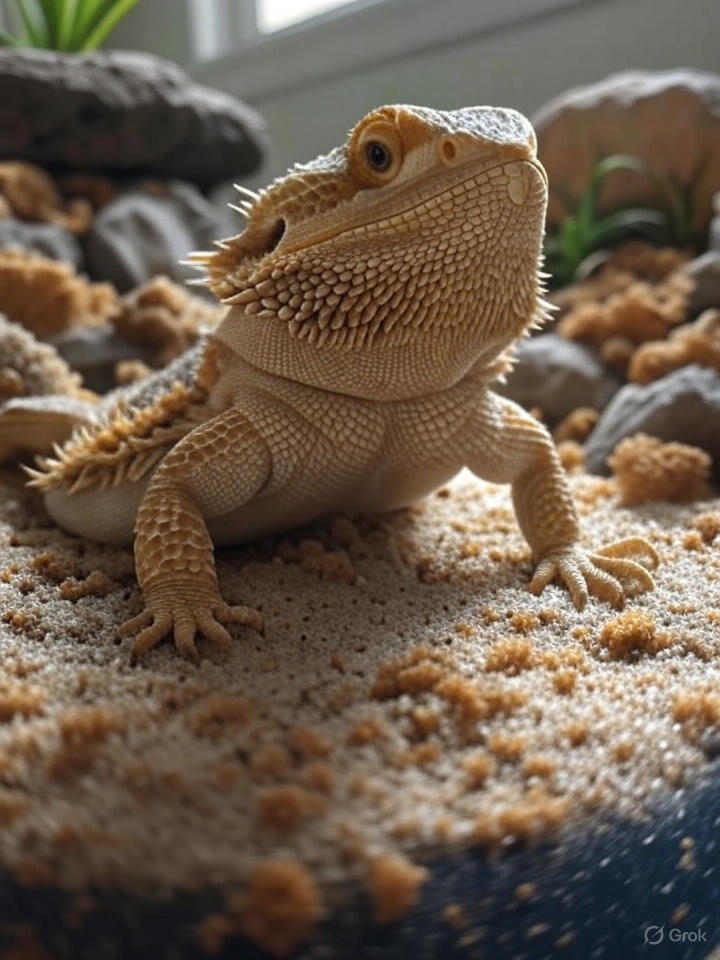
Bearded dragons, with their captivating charm and desert heritage from Australia, delight owners with their unique behaviors, and understanding why bearded dragons wave their arms offers a window into their needs and moods. This slow, circular arm motion—resembling a wave—signals submission, recognition, or discomfort, enhancing bearded dragon care and strengthening your bond. Whether you’re new to owning these pets or a seasoned enthusiast, decoding this gesture improves their environment and well-being. Drawing from extensive reptile care expertise and behavioral insights, this guide explores its meanings and provides practical tips. Begin now to connect more deeply with your dragon.
This article covers reasons behind arm waving, interpretation methods, common triggers, and when to seek vet advice. Start today to enhance your dragon’s care.
Disclosure: This post contains affiliate links. I may earn a small commission from purchases made through these links at no additional cost to you (#CommissionsEarned).
Reasons Behind the Arm Wave
Bearded dragons wave their arms primarily to communicate, often as a submissive gesture to avoid conflict with larger dragons, especially in young ones. It also acknowledges another’s presence—dragon, reflection, or even you—preventing surprises. Environmental discomfort, like poor lighting or temperature (ideal: 75–85°F cool, 95–105°F warm), can trigger it, while males may wave during mating or dominance, and females use it to submit to aggression, per a 2023 Journal of Herpetological Medicine and Surgery study (https://doi.org/10.5818/JHMS-D-22-00035). Each wave reflects their social or environmental state.
How to Interpret Arm Waving
Interpreting arm waving in bearded dragons reveals their mood. Frequent, slow waving with a head bob often signals submissiveness, common in juveniles. Waving at you or pets may show recognition, a friendly cue, but persistent waving with a black beard or stress signs suggests discomfort. Ensure a tank with 20–40% humidity and proper lighting, per a 2022 Reptile Medicine and Surgery study (https://doi.org/10.1016/j.jepm.2022.01.005). A comfortable habitat reduces stress-related waving, boosting well-being. Enhance your setup with thermometers on Amazon (https://amzn.to/4lku8DG).
Common Triggers for Arm Waving
Triggers for arm waving include social and environmental factors. Young dragons wave to larger ones or reflections—mistaking it for another—signaling peace. Poor conditions, like high humidity or incorrect temperatures, cause discomfort, while males wave for dominance or mating, and females submit to aggression, per the Reptile Centre (https://www.reptilecentre.com). Observing these cues helps address issues, ensuring a secure environment. Enhance your care with habitat tools on Amazon (https://amzn.to/4lku8DG).
When to Seek Veterinary Advice
Excessive or sudden arm waving, especially with lethargy, appetite loss, or twitching, may indicate health issues like metabolic bone disease or stress, per Veterinary Partner (https://veterinarypartner.vin.com). If uncoordinated or paired with distress, consult a reptile vet promptly. Regular checkups with proper UVB lighting prevent problems, ensuring waving remains natural. Enhance health monitoring with care kits on Amazon (https://amzn.to/4lku8DG).
Conclusion: Deepen Your Bond with Arm Waving Insights
Why bearded dragons wave their arms reveals their social and environmental needs—submission, recognition, or discomfort—enhancing bearded dragon care and your connection. Observe context, adjust their habitat, and seek vet help for unusual signs to keep them healthy. Start assessing your dragon’s waving today to foster a stronger bond. Join the reptile care community to share behaviors and refine care—click here to explore our blog for more insights and connect with fellow owners. Ensure your dragon thrives with thermometers, habitat tools, and care kits on Amazon (https://amzn.to/4lku8DG). Share your dragon’s waving tales in the comments and consult a veterinarian for tailored advice to keep your beardie flourishing.