
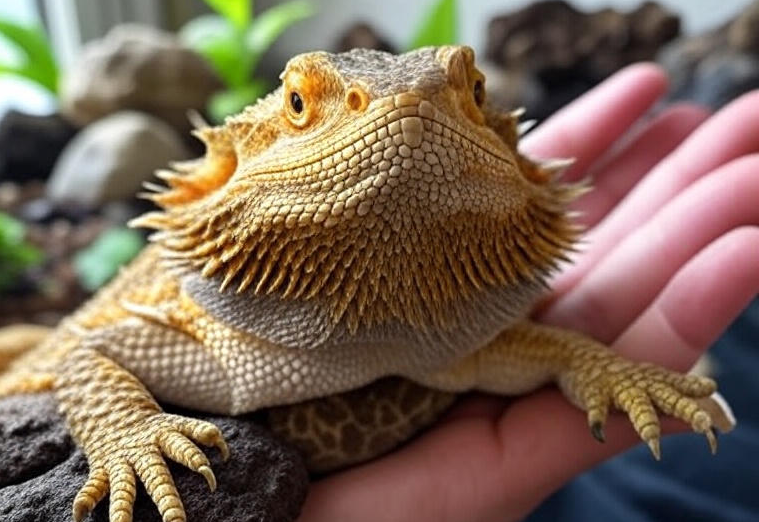
Taking your bearded dragon on a trip can feel like a grand adventure, but for these creatures of habit, it’s often a source of stress. Their love for routine and cozy enclosures means car rides or flights can lead to signs of anxiety, like darkened stress marks or refusing to eat. I learned this firsthand when I took my bearded dragon, Blaze, on a road trip to visit family last summer. He was all puffed up and hiding in his carrier at first, but with some tweaks, we made it a calmer journey. This guide shares practical tips to soothe nervous bearded dragons during travel, from prep to recovery, so you and your scaly pal can hit the road with confidence.
Why Bearded Dragons Get Nervous on Trips
Bearded dragons are wired for stability. In their native Australian outback, they stick to familiar territories, basking and foraging without sudden changes. Travel introduces stressors like vibrations, temperature swings, and unfamiliar sounds. You might notice your dragon sporting a black beard, glass surfing in their carrier, or acting unusually sluggish. Prolonged stress can weaken their immune system or disrupt digestion, so addressing anxiety is key.
Veterinarians emphasize reducing visual stimuli to ease nerves. Covering parts of the carrier can block out overwhelming sights like passing traffic. Limiting movement in their field of vision also helps, as it mimics the calm of their natural habitat. Younger dragons may adapt faster if they’re used to handling, but adults often need extra care. Regular, gentle interactions at home build trust, making travel less daunting. If stress persists, a vet can check for underlying health issues.
Prepping Your Dragon for a Smooth Journey
Good preparation can make or break a trip. Start by introducing your bearded dragon to their travel carrier weeks ahead. Place it in their enclosure or let them explore it during playtime to build familiarity. This simple step turned Blaze from wary to relaxed when we started our trip.
Hydration is non-negotiable. Offer a soak the day before to keep them comfortable, as dehydration can amplify stress. Skip heavy meals right before travel—feed lightly a day prior to avoid motion-induced upset stomachs. Pack familiar items like a scented blanket or a favorite hide to provide a sense of home.
Temperature control is critical. Bearded dragons need warmth to stay calm and healthy, so aim for 85-95°F in the carrier’s warm zone. In cooler weather, wrap hand warmers in towels for safe heat, but always test them to prevent burns.
Picking the Best Travel Gear
Choosing the right gear keeps your bearded dragon secure and less anxious. Opt for a carrier that’s snug but allows slight movement—too much space can lead to sliding during turns. Soft-sided carriers with mesh panels offer ventilation without exposing your pet to overwhelming sights.
As an Amazon Associate, I earn from qualifying purchases. For short trips or vet visits, the Bearded Dragon Travel Carrier (soft-sided lizard carrier)* is a favorite among owners for its padded comfort and easy access, minimizing jolts. For outings with stops, a harness setup lets your dragon stretch safely. The Bearded Dragon Travel Backpack with Harness and Leash Set* combines portability with control, perfect for quick breaks without losing sight of your pet.
Here’s a quick comparison of carrier options:
| Carrier Type | Pros | Cons | Best For |
|---|---|---|---|
| Soft-Sided Fabric | Lightweight, ventilated, padded | Less durable for rough handling | Short car trips or flights |
| Plastic Bin with Lid | Affordable, easy to clean | Needs ventilation holes | Budget-friendly long trips |
| Backpack with Harness | Portable, allows safe interaction | Limited space for larger dragons | Active owners with stops |
This table helps you pick gear based on your trip’s needs, ensuring your dragon feels secure.
Calming Techniques on the Road
Once you’re moving, focus on a stable environment. Soft music or white noise can mask road sounds, creating a soothing vibe. Position the carrier away from direct sun or drafts, and check the temperature hourly for short trips or every few hours for longer ones to avoid disturbing your dragon.
A towel over the carrier can work wonders by reducing visual stress, a trick many owners swear by for vet visits. If your dragon tolerates handling, place your hand nearby for reassurance without picking them up. For long drives, offer water via a dropper during stops, but avoid feeding to prevent regurgitation. Darkening the carrier mimics their safe, low-light hideaways, helping them settle.
Supplements to Ease Anxiety
For extra support, some owners use vet-approved supplements to bolster their dragon’s resilience. Always consult a reptile veterinarian before adding anything new, especially for health-related concerns. Products like Fluker’s Repta Boost Reptile Supplement* provide essential vitamins to support energy and recovery, which owners find helpful post-travel. Another option, AMBER NATURALZ Reptaid Herbal Supplement*, focuses on immune health, aiding dragons in bouncing back from stress.
Pair supplements with a solid post-trip diet. If you’re unsure about portions, the Bearded Dragon Feeding Calculator creates custom plans based on your dragon’s age and weight. Few tools offer such precise guidance, making it a go-to for keeping nutrition on point after a trip.
Post-Trip Recovery Tips
After reaching your destination, give your dragon time to decompress. Set up their enclosure quickly with familiar items and avoid handling for a day or two. A warm bath can help rehydrate and relax them. Watch for signs of recovery, like eating or basking normally. If stress marks linger, consult a reptile vet like Dr. Stephanie Nelk to rule out issues.
Blaze took a couple of days to settle after our trip, but a consistent routine and a cozy setup brought him back to his curious self. Keep an eye on their behavior, and don’t rush them—patience is key to a full recovery.
Busting Common Travel Myths
Let’s clear up a few misconceptions. Some owners think bearded dragons “enjoy” car rides like dogs, but most find motion stressful. Another myth is that skipping prep is fine for short trips—wrong! Even a 30-minute drive can unsettle them without a familiar carrier or proper temp control. Lastly, don’t assume all dragons calm down the same way. Test techniques like covering the carrier or using music to see what works for yours.
Conclusion
Traveling with a nervous bearded dragon doesn’t have to be a hassle. With preparation, the right gear, and calming techniques, you can keep your pet comfortable and safe. Start early with carrier training, use tools like the Bearded Dragon Care Checklist to stay organized, and monitor their needs on the road. Got a travel tip that worked for your dragon? Share it in the comments below or let us know how you set up their carrier for stress-free trips!
BeardedBuddies.com collaborates with reptile experts to provide accurate, trustworthy care advice. This site participates in the Amazon Associates Program, earning from qualifying purchases.
About the Author
Dragon King is the founder of BeardedBuddies.com and a dedicated reptile enthusiast with over seven years of experience raising bearded dragons. His dragon, Blaze, once got so nervous on a trip that he hid under his blanket the whole way, inspiring Dragon King to perfect travel setups. He collaborates with herpetologists and veterinarians to share practical, reliable advice, helping beardie owners worldwide create stress-free environments. All tips are based on expert consultations and standard reptile care practices.