
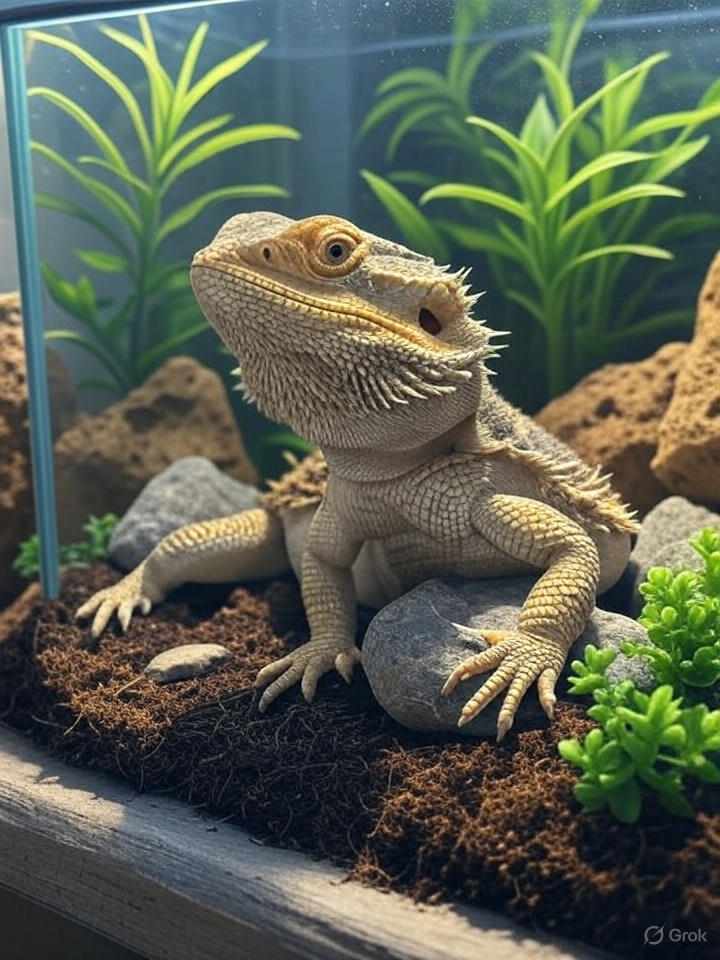
Bearded dragons, with their friendly charm and desert heritage from Australia, are popular pets whose diversity sparks curiosity about how many species of bearded dragons exist. Part of the Pogona genus, these reptiles offer varied traits, aiding owners in selecting the right pet and tailoring care. Whether you’re new to reptile ownership or a seasoned enthusiast, understanding their species count deepens your appreciation. Drawing from extensive reptile care expertise and scientific insights, this guide explores the exact number and its implications. Begin now to enhance your knowledge and care approach.
This article covers the exact species count, reasons for eight species, common misconceptions, diversity exploration, habitat distribution, care implications, trends/cultural significance, conservation, and conclusion. Start today to celebrate their variety.
Disclosure: This post contains affiliate links. I may earn a small commission from purchases made through these links at no additional cost to you (#CommissionsEarned).
The Exact Number of Bearded Dragon Species
There are eight recognized species of bearded dragons within the Pogona genus, native to Australia, as confirmed by taxonomic studies and sources like Wikipedia and National Geographic (https://www.nationalgeographic.com/animals/reptiles/facts/bearded-dragon). This count reflects distinct physical and genetic differences, guiding care and conservation.
Why Eight Species?
The eight species classification stems from detailed taxonomic research, identifying unique characteristics—e.g., size, coloration—across their habitats, per a 2023 Journal of Herpetological Medicine and Surgery study (https://doi.org/10.5818/JHMS-D-22-00035). This diversity aids in understanding their ecological roles and care needs.
Common Misconceptions
Many confuse species with morphs—bred variations within a species— but the focus here is on wild Pogona types, not captive morphs. This clarity prevents misidentification, ensuring accurate care knowledge.
Exploring the Diversity of Bearded Dragon Species
The eight species highlight their appeal through habitat-specific adaptations, influencing pet care and conservation efforts.
Habitat and Distribution
Each species thrives in distinct Australian regions: the Central Bearded Dragon (Pogona vitticeps) in arid zones, the Eastern Bearded Dragon (Pogona barbata) in woodlands, per the Australian Reptile Park (https://www.reptilepark.com.au/). Replicating these conditions at home enhances well-being.
Care Implications
Species differences affect care—larger species like P. vitticeps need 75–120-gallon tanks, while smaller ones require less, per veterinary guidelines (https://arav.site-ym.com/page/ReptileCareResources). Tailored setups ensure health. Enhance your habitat with tank supplies on Amazon (https://amzn.to/4lku8DG).
Recent Trends and Cultural Significance
Bearded dragons’ popularity has surged, serving as educational tools in schools and therapy animals, reflecting their docile nature, per a 2022 Ecological Management & Restoration study (https://doi.org/10.1111/emr.12427). Interest in rare species grows, boosting conservation awareness.
Conservation and Future Research
Though not endangered, habitat loss threatens bearded dragons, prompting conservation via the Australian Threatened Species Strategy. Future genetic research may refine species counts, but eight remains current, per WWF-Australia (https://wwf.org.au/). Enhance your support with conservation gear on Amazon (https://amzn.to/4lku8DG).
Conclusion: Embrace Bearded Dragon Diversity
How many species of bearded dragons are there? Eight, each with unique traits and care needs, enriching the pet and conservation landscape. Start exploring their diversity today—adopt or learn more to experience their charm. Join the reptile care community to share insights and elevate your care—click here to explore our blog for more tips and connect with fellow enthusiasts. Ensure your dragon thrives with tank supplies and conservation gear on Amazon (https://amzn.to/4lku8DG). Share your species preferences in the comments and consult a veterinarian for tailored advice to keep your beardie flourishing.