
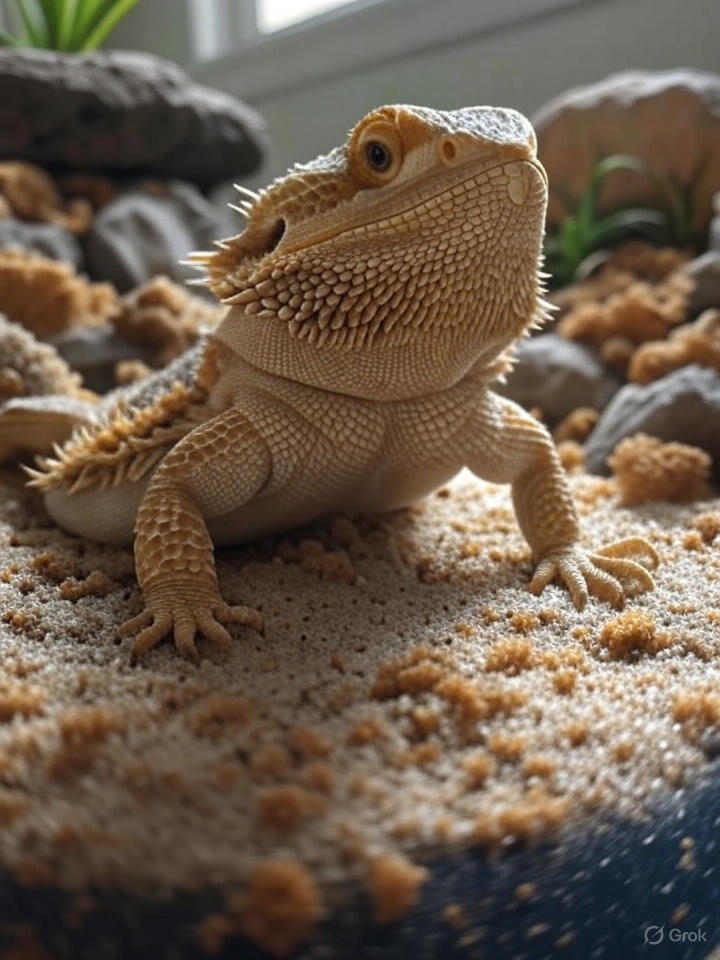
Bearded dragons, cherished for their calm demeanor and unique appearance, often face shedding challenges that can lead to serious issues like tail rot if not addressed. Stuck shed, where old skin doesn’t fully detach, is a common concern for owners. Understanding how long can stuck shed stay on a bearded dragon before it causes tail rot is vital for keeping your pet healthy. This article explores the risks, timelines, and practical steps to prevent complications, ensuring your bearded dragon thrives.
Tail rot, often linked to prolonged stuck shed, can cause tissue damage or even tail loss. By recognizing early signs and acting promptly, you can protect your reptile from discomfort and costly vet visits. Below, we share actionable tips to manage shedding, spot tail rot symptoms, and maintain proper care, enriched with practical advice for bearded dragon owners.
Understanding Stuck Shed and Its Risks
Stuck shed occurs when a bearded dragon’s old skin fails to shed completely, often due to low humidity, dehydration, or improper husbandry. It commonly affects the tail, toes, and spikes, where tight skin can restrict blood flow. If stuck shed remains for more than two to three weeks, it increases the risk of tail rot by trapping moisture or constricting circulation, creating conditions for bacterial or fungal infections.
Tail rot develops when prolonged constriction reduces blood flow, leading to tissue necrosis. Symptoms include a darkening tail tip, foul odor, or shriveled texture. Veterinary experts note that stuck shed left for over 14-21 days significantly heightens infection risk, with severe cases potentially requiring amputation. Regular monitoring and timely intervention are essential to prevent these outcomes.
How to Safely Remove Stuck Shed
To prevent stuck shed from lingering and causing tail rot, use these safe removal techniques:
- Soak the Bearded Dragon: Place your dragon in a shallow, lukewarm water bath (85-90°F) for 15-20 minutes to soften the skin. Add a reptile-safe shedding aid, like Zoo Med Repti Shedding Aid, to ease the process. Gently pat dry to avoid irritation.
- Gently Brush or Rub: After soaking, use a soft toothbrush or your fingers to lightly rub the stuck shed in circular motions, focusing on the tail and toes. Avoid forceful pulling to prevent skin damage. Products like Zoo Med Repti Shedding Aid can simplify this step.
- Increase Humidity: Maintain enclosure humidity at 30-40%, monitored with a hygrometer. Lightly mist the tank or add a moist hide to support shedding, especially in dry climates.
- Check for Residual Shed: Inspect the tail and toes after removal. If shed persists beyond a week, consult a reptile veterinarian to rule out issues like dehydration or mites.
These steps can resolve stuck shed within days, reducing tail rot risks. Handle your dragon gently to avoid stress, which can worsen shedding issues.
Optimal Husbandry Practices to Prevent Stuck Shed
Proper husbandry is the cornerstone of preventing stuck shed and tail rot. Here are key practices:
- Maintain Proper Hydration: Provide fresh water daily and offer hydrating foods like cucumber or leafy greens. Dehydration is a leading cause of shedding problems, and well-hydrated dragons shed more effectively.
- Provide a Balanced Diet: Feed a mix of insects (e.g., crickets, dubia roaches) and vegetables, dusted with calcium and multivitamin supplements. Poor nutrition can weaken skin health, complicating shedding.
- Regulate Temperature and Lighting: Keep the basking area at 95-105°F and the cool side at 75-85°F. Use a 10-12% UVB bulb, such as those from Zoo Med, to support skin health, replacing it every 6-12 months.
- Clean the Enclosure: Remove uneaten food, feces, and old substrate regularly to prevent bacterial buildup, which can worsen infections if shed remains stuck.
| Husbandry Factor | Recommended Range | Impact on Shedding |
|---|---|---|
| Humidity | 30-40% | Prevents skin drying out |
| Basking Temperature | 95-105°F | Supports healthy metabolism |
| UVB Lighting | 10-12% output | Promotes skin health |
| Hydration | Daily fresh water | Eases skin detachment |
These practices ensure stuck shed doesn’t persist long enough to cause tail rot.
Recognizing and Addressing Tail Rot Early
Early detection of tail rot is critical to prevent severe damage. If stuck shed remains on the tail for more than two weeks, watch for these signs:
- Color Changes: A darkening or blackening tail tip often indicates reduced blood flow or necrosis.
- Swelling or Odor: Swelling, redness, or a foul smell suggests infection, requiring urgent veterinary attention.
- Behavioral Changes: Lethargy, reduced appetite, or discomfort when the tail is touched may signal underlying issues.
If these symptoms appear, consult a reptile veterinarian immediately. Treatments may include antibiotics, surgical debridement, or, in severe cases, amputation. Early intervention within 5-7 days of symptoms improves recovery rates significantly. Weekly tail inspections during shedding, using a magnifying glass for subtle signs, are crucial, especially for juveniles who shed frequently.
When to Seek Veterinary Care
Veterinary intervention is necessary if stuck shed or tail rot symptoms persist. Act in these cases:
- Persistent Shed: If shed remains after two weeks of soaking with products like Zoo Med Repti Shedding Aid and gentle removal, a vet can check for parasites or fungal infections.
- Visible Tail Damage: Darkening, shriveling, or softening of the tail requires immediate attention to prevent systemic infection.
- Behavioral Concerns: Stress signs like hiding or refusing food may indicate pain or infection linked to stuck shed.
Veterinary costs for tail rot treatment vary depending on severity. Regular check-ups every 6-12 months can catch issues early, saving time and expense.
Conclusion
Stuck shed on a bearded dragon’s tail can lead to tail rot if left for more than two to three weeks, but proactive care can prevent serious complications. Maintain proper husbandry, monitor for tail rot signs, and use safe removal techniques with products like Zoo Med Repti Shedding Aid. Consistent enclosure maintenance, hydration, and a balanced diet are critical. If issues persist, seek veterinary care promptly to ensure your dragon’s health.
For optimal shedding support, invest in trusted products like Zoo Med Repti Shedding Aid. Share your tips or questions in the comments to help other bearded dragon owners keep their pets thriving!
Disclosure: This post contains affiliate links. I may earn a small commission from purchases made through these links at no additional cost to you.