
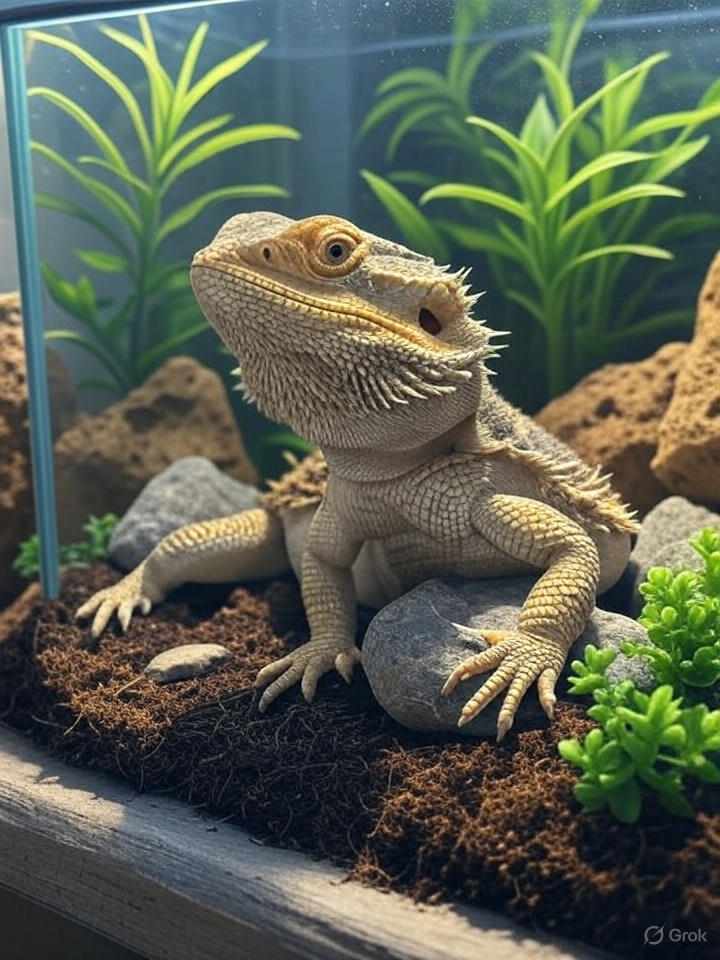
Bearded dragons are hardy reptiles whose charming personalities make them beloved pets, but accidents like falls or bites can leave owners concerned, making knowing what to do if injured bearded dragons need care essential for responsible ownership. Their wild instincts hide pain, requiring prompt recognition and action for minor scrapes or serious injuries. This guide covers practical steps from first aid to vet care, plus prevention tips, ensuring your scaly friend stays safe and healthy. Begin now to protect your dragon.
This article covers injury signs, home treatment, vet care timing, specific injury types, prevention strategies, and conclusion. Start today to manage your dragon’s injuries effectively.
Disclosure: This post contains affiliate links. I may earn a small commission from purchases made through these links at no additional cost to you (#CommissionsEarned).
Recognizing Signs of Injury
Bearded dragons mask pain with a dark beard (beyond aggression), lethargy, eating refusal, mobility issues, or visible cuts/swelling. A fall might hide internal injuries like fractures—monitor behavior changes (e.g., reduced activity, abnormal breathing) for over 48 hours. Enhance your observation with health tools on Amazon (https://amzn.to/4lku8DG).
Handling Minor Injuries at Home
For minor cuts, scrapes, or bites, clean with warm water and mild soap, apply a cold compress (damp cloth with ice) briefly to reduce swelling, and avoid ointments unless vet-approved. Monitor daily for infection (redness, discharge)—vet if worsening. Enhance your first aid with care supplies on Amazon (https://amzn.to/4lku8DG).
When to Seek Veterinary Care
Seek a reptile vet for uncontrolled bleeding, rapid/difficult breathing, enlarged abdomen, eating refusal, lethargy, fractures, or severe eye/mouth injuries. A fall from 4 feet might cause internal damage—keep vet contact handy for life-saving intervention.
Specific Injury Types and Treatments
| Injury Type | Symptoms | Home Treatment | When to See a Vet |
|---|---|---|---|
| Bite Injuries | Cuts, swelling, redness | Clean, cold compress | Uncontrolled bleeding, infection |
| Fall Injuries | Lethargy, difficulty moving | Monitor, limit handling | Bleeding, fractures, lethargy |
| Eye Injuries | Swelling, discharge | Keep clean, cold compress | Severe/persistent injury |
| Mouth Injuries | Bleeding, difficulty eating | Clean, cold compress, allow healing | Prevents eating, persists |
This table, per Miss Molly Says (https://missmollysays.com/how-to-treat-the-most-common-injuries-in-bearded-dragons/), guides injury management—seek vet care for complexity.
Preventing Future Injuries
Prevent injuries with a secure tank (no sharp edges, gaps, sturdy lid), careful handling (full body support, 10-minute limits), stable climbing/hides, and supervised out-of-tank time. Enhance your safety with enclosure upgrades on Amazon (https://amzn.to/4lku8DG).
Conclusion: Safeguard Your Injured Dragon
Knowing what to do if injured bearded dragons need care—handling minor wounds at home or seeking vet help for severe cases—ensures their recovery. Ensure your dragon thrives with health tools, care supplies, and enclosure upgrades on Amazon (https://amzn.to/4lku8DG). Share your injury experiences in the comments and consult a veterinarian for tailored advice to keep your beardie flourishing.