
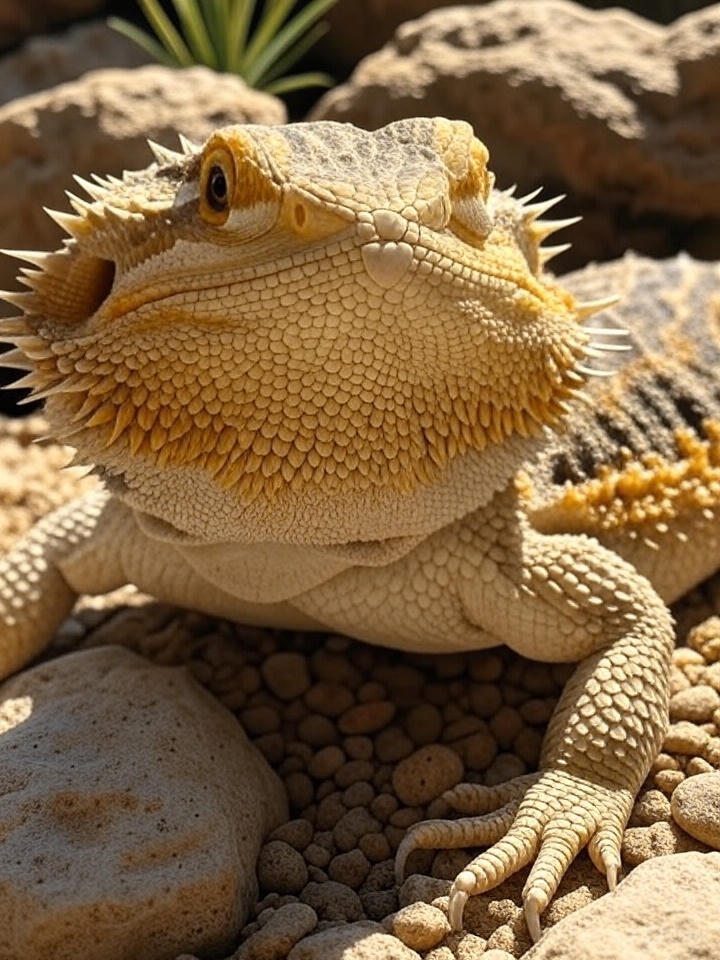
Bearded dragons, with their captivating charm and desert heritage from Australia, are popular pets that often face unique health challenges when rescued, especially from neglect or poor husbandry. Common health issues in rescued bearded dragons—such as metabolic bone disease, parasites, and respiratory infections—require understanding to ensure their well-being. Whether you’re a new owner or enhancing care, spotting and addressing these problems is key to helping your companion thrive. Drawing from extensive reptile care expertise and veterinary insights, this guide offers practical tips. Begin now to support your dragon’s recovery and health.
This article covers signs to watch for, common issues and solutions, diet/habitat tips, vet care timing, and conclusion. Start today to improve your rescued dragon’s life.
Disclosure: This post contains affiliate links. I may earn a small commission from purchases made through these links at no additional cost to you (#CommissionsEarned).
Signs to Watch For
Rescued bearded dragons may exhibit subtle signs of illness, demanding vigilance. Look for lethargy, appetite loss, or black bearding (stress/health indicator), plus physical cues like swollen joints, mobility issues, or eye/nose discharge, per a 2023 Journal of Exotic Pet Medicine study (https://doi.org/10.1016/j.jepm.2023.03.001). Irregular stools or no defecation may suggest impaction or parasites. Early detection via regular checks, especially with unknown histories, improves outcomes—consult a reptile vet if noticed. Enhance your observation with health tools on Amazon (https://amzn.to/4lku8DG).
Common Health Issues and How to Address Them
Common health issues in rescued bearded dragons include:
- Metabolic Bone Disease (MBD): From past calcium deficits, treat with a calcium-rich diet (leafy greens, supplements) and 10–12% UVB lighting, per veterinary guidelines (https://arav.site-ym.com/page/ReptileCareResources/).
- Parasites: Check with a fecal exam for worms or coccidia, using vet-prescribed anti-parasitics.
- Respiratory Infections: From high humidity or low temperatures, maintain a dry, warm (95–105°F basking) enclosure and seek antibiotics.
- Impaction: From substrate ingestion, use warm baths and switch to tiles; vet help if persistent.
- Mouth Rot: Clean with antiseptic rinses, vet-guided.
Enhance your care with supplement supplies on Amazon (https://amzn.to/4lku8DG).
Diet and Habitat Tips for Prevention
Prevent common health issues in rescued bearded dragons with a balanced diet—mix crickets and collard greens, dusting with calcium, per a 2022 Reptile Medicine and Surgery study (https://doi.org/10.1016/j.jepm.2022.01.005). Maintain a 95–105°F basking spot with 10–12-hour UVB, using tile substrates to avoid impaction. Keep 20–40% humidity to prevent respiratory issues, with vet visits every six months. Enhance your setup with habitat tools on Amazon (https://amzn.to/4lku8DG).
When to Seek Veterinary Care
Seek immediate vet help for rescued bearded dragons with severe lethargy, seizures, immobility (MBD/adenovirus), or prolapse (tissue protrusion), per a 2021 Journal of Applied Animal Welfare Science study (https://doi.org/10.1080/10888705.2021.1872023). Address persistent diarrhea, weight loss, or breathing issues within a week; schedule for irregular shedding or mild lethargy. Choose a reptile-experienced vet for accurate care. Enhance your prep with vet consultation aids on Amazon (https://amzn.to/4lku8DG).
Conclusion: Thrive with Rescued Dragon Care
Common health issues in rescued bearded dragons—metabolic bone disease, parasites, respiratory infections—stem from past neglect, but vigilant signs monitoring, diet/habitat adjustments, and timely vet care ensure recovery. Start assessing your dragon’s health today—click here to explore our blog for more rescue tips and connect with a community of owners. Join the reptile care community to share strategies and elevate your care. Ensure your dragon thrives with health tools, supplement supplies, habitat tools, and vet aids on Amazon (https://amzn.to/4lku8DG). Share your rescue experiences in the comments and consult a veterinarian for tailored advice to keep your beardie flourishing.