
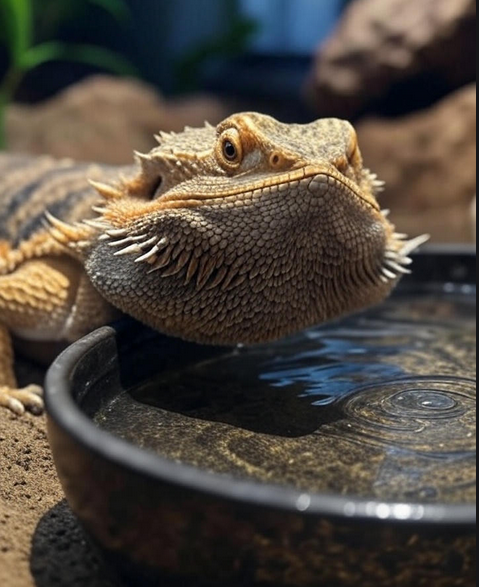
Bearded dragons win hearts with their quirky personalities and manageable care needs, but even seasoned owners can face unexpected challenges. Picture this: you’re giving your beardie a bath, step away for a moment, and return to find them struggling in the water. It’s a terrifying scenario, and yes, drowning is a real risk for these desert reptiles. This guide explores why drowning happens, how to prevent it, and critical rescue steps to save your pet. Packed with practical advice and expert insights, this post is your go-to for keeping your bearded dragon safe around water.
Why Drowning Is a Risk for Bearded Dragons
Bearded dragons come from Australia’s dry, rocky outback, where deep water is rare. Their flat bodies and short legs are built for basking, not swimming. In water deeper than a few inches, they can tire quickly, leading to panic or submersion. Young dragons, with less strength and coordination, are especially vulnerable, but even adults can struggle if conditions aren’t right.
Owners on forums like BeardedDragon.org have reported near-misses in sinks, bathtubs, or oversized water bowls, showing how common setups can turn hazardous. Cold water slows their metabolism, making movement harder, while slippery surfaces increase the chance of slipping under. If water is inhaled, it can cause pneumonia or secondary drowning, where fluid builds up in the lungs hours later. These risks make water safety a top priority.
Spotting Signs of Water Inhalation or Distress
Catching problems early can be a lifesaver. After any water exposure, watch for these warning signs:
- Gasping or open-mouth breathing, especially right after a bath.
- Lethargy beyond their usual relaxed vibe.
- Wheezing or coughing noises, hinting at water in the lungs.
- Swollen belly from swallowed water or fluid buildup.
- Nasal or mouth discharge, which could signal infection.
Symptoms may show up immediately or within 24-48 hours, according to reptile veterinarians. In severe cases, your dragon might go limp or stop breathing. If you notice any of these, act fast with rescue techniques or get veterinary help.
Preventing Drowning: Safe Water Practices
Prevention is your best defense. Here’s how to keep water safe in and out of the enclosure:
- Water Bowls: Choose shallow dishes (1 inch deep for adults, 0.5 inches for juveniles) with textured edges or ramps for easy access. The Zoo Med Repti Ramp Bowl* is a solid pick for its sloped design.
- Bathing: Supervise all baths in lukewarm water (85-90°F), no deeper than their shoulders. Limit sessions to 10-15 minutes and include a rock or platform, like the Penn-Plax Reptology Floating Turtle Pier*, for a quick escape.
- Enclosure Maintenance: Check for spills or high humidity that could create puddles. An absorbent substrate like the Zilla Reptile Terrarium Liner* helps manage moisture and prevents slips.
- Daily Inspections: Scan the tank for water hazards after cleaning or refilling.
Here’s a quick comparison of water dish options:
| Dish Type | Depth | Features | Best For |
|---|---|---|---|
| Standard Ceramic | 1-2 inches | Stable, easy to clean | General enclosure use |
| Ramped Bowl | <1 inch | Sloped entry/exit | Preventing slips |
| Wide Shallow Tray | 0.5-1 inch | Large surface, low sides | Bathing sessions |
Choosing the right dish depends on your dragon’s size and habits, but shallow designs are non-negotiable.
Rescue Techniques for a Drowning Bearded Dragon
If you find your dragon in distress, stay calm and follow these vet-recommended steps:
- Remove and Assess: Gently lift them from the water and place on a flat surface. Check for breathing by watching for chest movement or feeling for a heartbeat under the armpit.
- Clear Airways: Carefully open their mouth with your fingers or a soft tool to remove water or debris. Tilt their head downward to let gravity drain fluid.
- Perform CPR: If there’s no breathing, place them on their back. Use two fingers to compress the chest 5-10 times, then blow gently into their nostrils (not mouth, as beardies breathe through their noses). Repeat in cycles of 30 compressions to 2 breaths.
- Warm Them Up: Cold worsens shock. Wrap them in a warm towel (85-90°F) or use a low-setting heating pad. Keep their head lower than the body to aid drainage.
- Stimulate and Monitor: Lightly rub their belly to encourage coughing up water. If they respond, move them to a warm, quiet spot in their enclosure.
These steps can buy time but aren’t a substitute for professional care. Practicing on a small object beforehand can build confidence for emergencies.
When to Seek Veterinary Help
Not every incident requires a vet, but don’t take chances. If your dragon shows ongoing symptoms like wheezing, lethargy, or refusing food after water exposure, get them checked. Reptile veterinarians, like Dr. Stephanie Nelk, emphasize early intervention to prevent complications like respiratory infections. Bring details about the incident—water temperature, submersion time, and symptoms—to aid diagnosis. A vet might use antibiotics or oxygen therapy to address lung issues.
Common Myths About Bearded Dragons and Water
Let’s clear up some misconceptions that can lead to risky choices:
- Myth: Bearded dragons are great swimmers.
Truth: They can paddle briefly but tire quickly and aren’t built for deep water. - Myth: A quick dunk won’t hurt.
Truth: Even brief submersion can lead to inhalation or stress, especially in cold water. - Myth: They’ll always climb out of water dishes.
Truth: Slippery surfaces or exhaustion can trap them, even in shallow water.
Knowing the facts helps you make safer choices for your pet.
Conclusion: Keep Your Beardie Safe Around Water
Drowning might not top the list of bearded dragon concerns, but it’s a risk you can easily manage with the right habits. Use shallow dishes, supervise baths, and be ready with rescue techniques to ensure your dragon thrives. Have a water safety tip or a close-call story? Drop it in the comments—I’d love to hear how you keep your beardie safe!
As an Amazon Associate, I earn from qualifying purchases.
For safe water access, the Zoo Med Repti Ramp Bowl* is a favorite for its easy-entry design. During baths, a sturdy Exo Terra Water Dish* keeps things stable. To manage tank moisture, the Zilla Reptile Terrarium Liner* is a go-to for many owners. For extra safety in larger setups, the Penn-Plax Reptology Floating Turtle Pier* doubles as a secure platform.
Struggling to stay on top of water safety? The Bearded Dragon Care Checklist on BeardedBuddies.com generates a tailored, downloadable PDF to track daily tasks like checking water depth—owners love it for keeping care organized. Pair it with a free tip: always double-check bowl stability after refills.
For new setups, the Bearded Dragon Enclosure Calculator offers custom recommendations on tank size and features, ensuring water areas are dragon-proof.
BeardedBuddies.com collaborates with reptile experts to provide accurate, trustworthy care advice. This site participates in the Amazon Associates Program, earning from qualifying purchases.
About the Author
I’m Dragon King, founder of BeardedBuddies.com and a passionate reptile keeper with over seven years raising bearded dragons. My dragon, Blaze, once gave me a scare when he slipped in a too-deep bath, teaching me to never leave him unsupervised. That moment drove me to dig deeper into water safety, consulting with herpetologists like Dr. Stephanie Nelk to share reliable tips. All advice here comes from hands-on experience and vetted reptile care practices to help you keep your dragon safe and happy.