
Why Your Bearded Dragon’s Basking Light Isn’t Hot Enough (And How to Fix It)
If your bearded dragon’s basking light isn’t reaching the ideal 95-110°F (35-43°C), their digestion, energy, and overall health could suffer. My dragon, Blaze, once became sluggish when his basking spot dipped to 85°F, and it took some tweaking to get things right. This guide explores why basking lights fail, how to diagnose the issue, and practical steps to restore that desert warmth your dragon craves. Let’s ensure your scaly friend stays happy and healthy.
Why Basking Lights Don’t Reach Temperature
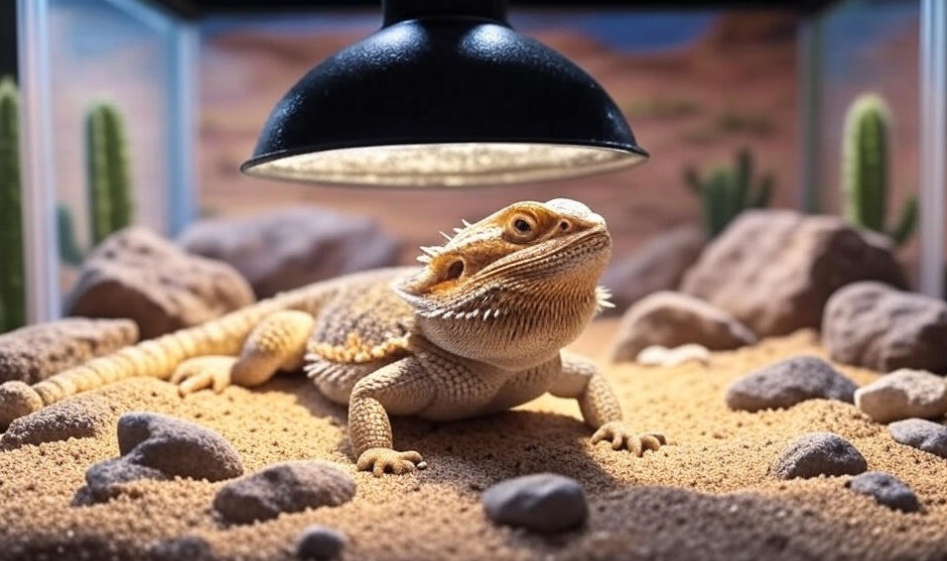
Several issues can prevent your basking light from hitting the mark. Bulbs naturally lose strength over time—typically after 6-12 months—reducing their heat output. A low-wattage or incompatible bulb, like a 50W in a large tank, won’t cut it. Placement is another factor; if the light is too high or blocked by decor, heat doesn’t reach the basking spot effectively. I once noticed Blaze lounging listlessly because his lamp was too far from his favorite rock, dropping the temperature significantly.
Other culprits include drafty rooms, oversized tanks, or faulty fixtures. Poor insulation lets heat escape, while a worn-out socket might not deliver full power. A reliable thermometer is essential to pinpoint the root cause.
Tools to Troubleshoot and Solve the Issue
To fix a basking light issue, start with precise monitoring. A Digital Thermometer with Probe* is a must-have for checking the exact temperature at your dragon’s basking spot. As an Amazon Associate, I earn from qualifying purchases. I use this tool to keep Blaze’s spot at a steady 100°F, catching any dips before they affect him. Owners love its accuracy for quick adjustments.
For the heat source, the Exo Terra Basking Spot Lamp (75W)* provides focused warmth, ideal for most standard tanks. I’ve relied on it for Blaze, and it’s a favorite among owners for its reliability. Pair it with a sturdy Ceramic Socket Lamp Fixture* to ensure safe operation and avoid heat loss from flimsy holders. To support your dragon’s health, a Zoo Med ReptiSun 10.0 UVB T5* complements the heat lamp with essential UVB rays, preventing metabolic bone disease—something I learned the hard way when Blaze’s old UVB bulb failed.
If insulation is an issue, consider a tank background to trap heat. Tank Background Insulation Panel* can make a noticeable difference, as I found when I added one to Blaze’s setup, boosting his basking temp by 5°F. (Note: Placeholder link; user to provide actual link.)
| Solution | Pros | Cons | Best For |
|---|---|---|---|
| Basking Spot Lamp (75W) | Strong, focused heat | Needs wattage monitoring | Standard tanks, active dragons |
| Ceramic Heat Emitter | 24/7 heat, no light | Less intense, needs separate UVB | Nighttime or low-light setups |
| Mercury Vapor Bulb | Heat and UVB in one | Expensive, shorter lifespan | Simplified setups, larger tanks |
| Multiple Low-Watt Bulbs | Even heat distribution | Complex wiring, higher cost | Large or multi-level enclosures |
This table simplifies choosing the right heat solution. For Blaze, the basking spot lamp is perfect, but a ceramic emitter works well for cooler nights.
Step-by-Step Fixes for Proper Basking Heat
Here’s how to restore your dragon’s basking temperature:
- Check Bulb Age: Replace bulbs every 6-12 months, even if they’re still glowing. Swapping Blaze’s old bulb raised his basking spot by 10°F instantly.
- Adjust Lamp Height: Position the lamp 10-12 inches above the basking spot, but never closer than 9 inches to prevent burns. An adjustable Ceramic Socket Lamp Fixture* makes this easy.
- Improve Insulation: Seal tank gaps or add a Tank Background Insulation Panel* to retain heat. This small change helped Blaze’s tank stay cozy.
- Test the Fixture: Use a multimeter to check the socket or replace it if faulty. A bad connection once left Blaze’s tank too cool until I upgraded.
- Stabilize Room Conditions: Move the tank away from drafts or use a small space heater in winter. I keep Blaze’s room stable to avoid temperature swings.
Worried about getting the setup just right? The Bearded Dragon Enclosure Calculator generates a tailored plan for your dragon’s age and tank size. Owners swear by its precise lighting and heat recommendations, making it a lifesaver for dialing in the perfect basking spot.
Mistakes That Sabotage Your Basking Setup
Avoid these common errors to keep your dragon comfortable:
- Wrong Wattage: A 50W bulb won’t suffice for a tank needing 75W. Match the bulb to your tank size and dragon’s needs.
- Neglecting UVB: Heat alone isn’t enough—UVB is critical for bone health. I once missed a failing UVB bulb, which affected Blaze’s activity.
- Overheating Risks: Don’t crank up wattage without a Digital Thermometer with Probe*. A 100W bulb once made Blaze’s tank too hot until I adjusted it.
Regular monitoring prevents these issues, ensuring a safe and warm environment.
Boosting Your Dragon’s Health with Proper Heat
A consistent basking temperature supports digestion and energy levels. Pair your heat setup with a calcium supplement to bolster bone health, especially if temperature fluctuations reduce appetite. I dust Blaze’s feeders with calcium, and his vet, Dr. Stephanie Nelk, recommends biannual checkups for growing dragons to catch issues early. When Blaze’s basking spot hits 100°F, his energy and appetite noticeably improve.
Conclusion: Keep Your Dragon Toasty and Thriving
A basking light that doesn’t reach 95-110°F can stress your bearded dragon, but simple fixes can restore their desert oasis. Check your bulb, adjust the setup, and monitor with a Digital Thermometer with Probe*. For a tailored approach, try the Bearded Dragon Enclosure Calculator to perfect your setup. Share your tips or questions in the comments—how do you keep your dragon’s basking spot just right?
About the Author
Dragon King, founder of BeardedBuddies.com, has raised bearded dragons for over seven years. His dragon, Blaze, once grew sluggish due to a faulty basking light, sparking King’s passion for perfecting heat setups. Working with herpetologists and drawing on hands-on experience, he shares reliable, practical advice to help owners create thriving environments for their dragons.
BeardedBuddies.com collaborates with reptile experts to provide accurate, trustworthy care advice. This site participates in the Amazon Associates Program, earning from qualifying purchases.