
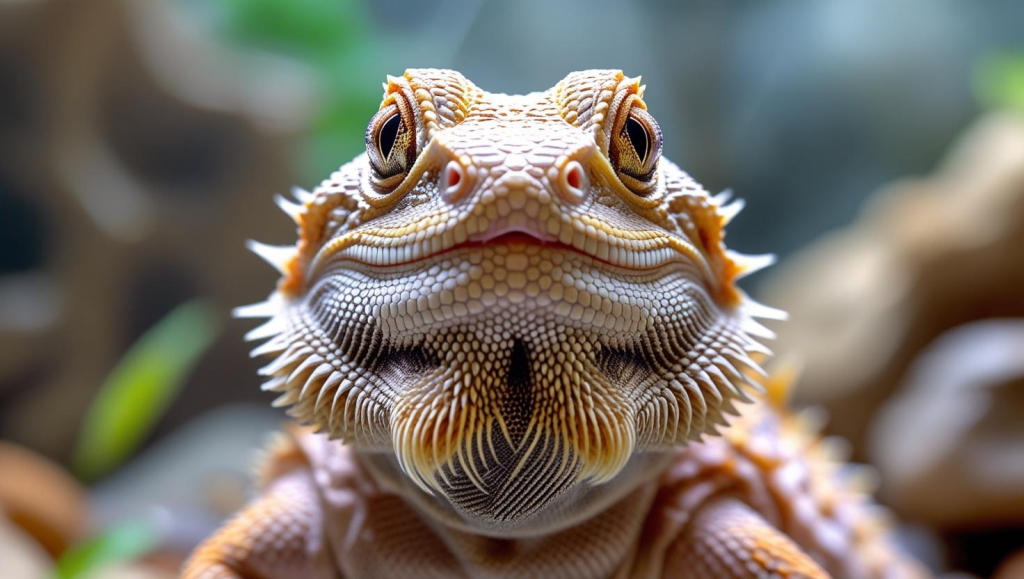
Bearded dragons, with their captivating charm and desert heritage from Australia, require adjusted care as they age beyond 5–6 years, and a senior bearded dragon diet is essential to maintain their health and vitality. Unlike younger dragons thriving on protein-heavy diets, seniors need nutrient-rich greens and reduced insects to support their slower metabolism, preventing obesity or digestive issues. In the wild, adults consume up to 90% plant matter, guiding captive care, per Arizona Exotics. Drawing from extensive reptile care expertise and veterinary insights, this guide offers practical tips. Begin now to nurture your aging dragon’s well-being.
This article covers shifting to a plant-based diet, reducing insect feedings, monitoring health, ensuring supplementation, maintaining hydration, wild vs. captive context, and conclusion. Start today to enhance your senior dragon’s life.
Disclosure: This post contains affiliate links. I may earn a small commission from purchases made through these links at no additional cost to you (#CommissionsEarned).
Shift to a Plant-Based Diet
A senior bearded dragon diet should be 80–90% plant matter as protein needs decline, featuring leafy greens (collard greens, mustard greens, turnip greens, dandelion greens) and veggies (bell peppers, squash, carrots) for daily meals, per a 2023 Journal of Exotic Pet Medicine study (https://doi.org/10.1016/j.jepm.2023.03.001). Limit high-oxalate spinach or beet greens due to calcium binding, per VCA Animal Hospitals, and offer apples, strawberries, or blueberries (2–5%) as rare treats. Chop finely for chewing ease, leaving in the enclosure 30 minutes. Enhance your feeding with chopping tools on Amazon (https://amzn.to/4lku8DG).
Reduce Insect Feedings
Reduce insect feedings in a senior bearded dragon diet to 2–3 times weekly (crickets, dubia roaches, mealworms) to avoid obesity, per San Gorgonio Veterinary Hospital. Gut-load and dust with calcium, keeping sizes below eye width to prevent choking. For very senior or sedentary dragons, drop to once or twice weekly based on weight/health, removing uneaten insects after 10–15 minutes. Enhance your care with feeding containers on Amazon (https://amzn.to/4lku8DG).
Monitor and Address Health Issues
Monitor senior bearded dragon diet for health concerns like dental issues (use mashed veggies/fruits), overweight dragons (reduce insects, add low-calorie greens like romaine), or MBD/kidney issues (vet-guided calcium/protein adjustments), per PetMD. Weekly/monthly weight checks with a digital scale and regular vet visits catch problems early. Enhance your monitoring with scales on Amazon (https://amzn.to/4lku8DG).
Ensure Proper Supplementation
Supplementation is key in a senior bearded dragon diet—dust insects with phosphorus-free calcium (with/without D3 per UVB) at every feeding, and multivitamins 1–2 times weekly, per RSPCA. Use a 10–12% UVB bulb, replaced every 6–12 months, as absorption wanes with age—vet checks determine extra needs. Avoid over-supplementation to prevent hypercalcemia. Enhance your care with supplement supplies on Amazon (https://amzn.to/4lku8DG).
Maintain Hydration
Hydration supports a senior bearded dragon diet, with a shallow, non-tip water dish refilled daily and warm 80–85°F baths (15–30 minutes, 2–3 times weekly) for soaking or shedding, per Long Island Avian and Exotic Vet Clinic. Mist veggies lightly and watch for sunken eyes or lethargy, consulting a vet if dehydrated. Enhance your hydration with water dishes on Amazon (https://amzn.to/4lku8DG).
| Food Type | Examples | Frequency | Notes |
|---|---|---|---|
| Leafy Greens | Collard greens, mustard greens, dandelion greens | Daily | Primary component, chop finely |
| Vegetables | Bell peppers, squash, carrots | Daily | Rotate for variety, avoid high-oxalate greens |
| Fruits | Apples, strawberries, blueberries | 1-2 times/week | Treats only, high sugar content |
| Insects | Crickets, dubia roaches, mealworms | 2-3 times/week | Gut-load and dust with calcium |
| Supplements | Calcium powder, multivitamin | Calcium: every insect feeding; Multivitamin: 1-2 times/week | Essential for bone health |
Interesting Context: Wild vs. Captive Diets
In Australian deserts, wild bearded dragons adapt to sparse food, eating up to 90% plant matter as adults, per Arizona Exotics, reflecting a herbivorous shift with age. Captive dragons, less active, risk obesity if fed like juveniles—recent trends emphasize natural diet replication with added supplementation for limited UVB, balancing nutrition and sedentary lifestyles.
Conclusion: Nourish Your Senior Dragon’s Golden Years
A senior bearded dragon diet, shifting to 80–90% plants, reducing insects, monitoring health, ensuring supplements, and maintaining hydration, supports vitality as they age, mirroring wild patterns. Vet consultations tailor care for issues like MBD. Start adjusting your dragon’s diet today—click here to explore our blog for more senior care tips and connect with a community of owners. Join the reptile care community to share strategies and elevate your care. Ensure your dragon thrives with chopping tools, feeding containers, scales, supplement supplies, and water dishes on Amazon (https://amzn.to/4lku8DG). Share your senior diet experiences in the comments and consult a veterinarian for tailored advice to keep your beardie flourishing.