
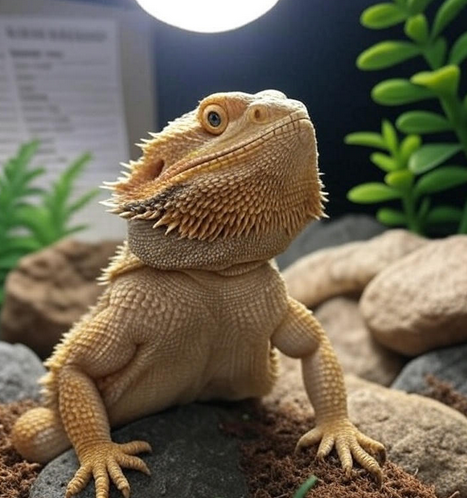
Bearded dragons are fascinating pets, known for their quirky behaviors and engaging personalities. If you’ve noticed your female dragon acting differently—maybe guarding a spot or seeming more territorial—you might wonder, “Do bearded dragons get broody?” This post dives into whether these reptiles experience broodiness like birds, explores their natural breeding habits, and offers practical tips for owners. Let’s uncover the truth and ensure your dragon stays happy and healthy!
What Does “Broody” Mean?
In the animal world, “broody” typically describes birds, like hens, that become protective and sit on eggs to incubate them. This behavior is driven by hormones and a strong instinct to nurture. For bearded dragons, though, the term doesn’t quite fit in the same way. As reptiles, they lack the maternal brooding instinct seen in birds. After laying eggs, female bearded dragons don’t sit on them or show protective behaviors—eggs are left to incubate independently, often with human help in captivity [1].
That said, female bearded dragons can exhibit changes during breeding season that might look like broodiness. These include increased territoriality, digging, or restlessness as they prepare to lay eggs. Understanding these signs helps owners support their dragons without misinterpreting their needs.
Do Bearded Dragons Show Broody-Like Behaviors?
Bearded dragons don’t get broody in the traditional sense, but their breeding cycle can mimic some similar traits. In the wild, breeding season (spring to early summer) triggers females to lay eggs after mating, typically 10–30 per clutch [2]. In captivity, this instinct persists, even without a male, leading to infertile “slug” eggs. Here’s what you might notice:
- Digging: Females often dig nests to lay eggs, a behavior that peaks during ovulation. My dragon Blaze once spent hours excavating a corner of his tank, searching for the perfect spot!
- Restlessness: Increased activity or pacing can signal egg-laying readiness.
- Territorial Displays: Some females puff their beards or bob their heads, especially if stressed or guarding a nesting area [3].
These actions aren’t broodiness but rather preparation for egg-laying. Unlike birds, bearded dragons abandon eggs after laying, leaving incubation to external conditions or, in captivity, to tools like an incubator. For more insights into these behaviors, check out bearded dragon egg-laying signs.
The Breeding Process and Egg Care
Breeding bearded dragons is common among hobbyists, driven by their popularity in the pet trade. Males initiate mating with head-bobbing and arm-waving, while females signal readiness by allowing mounting [4]. After a gestation period of 4–6 weeks, females lay eggs, which require specific conditions to hatch—around 80–85°F with high humidity [5].
In captivity, owners often use an Exo Terra Incubator * to mimic these conditions, ensuring healthy hatchlings. As an Amazon Associate, I earn from qualifying purchases. Supplementing with Zoo Med Repti Calcium with D3* prevents calcium depletion in egg-laying females, a common issue that can lead to health problems. A Fluker’s Repta-Bowl* helps maintain consistent feeding, while the Zoo Med ReptiSun 10.0 UVB Bulb* supports overall health during this demanding time.
Eggs hatch after 55–75 days, depending on temperature, but the mother plays no further role. This lack of brooding highlights their reptilian nature, contrasting with the nurturing seen in avian species.
Supporting Your Bearded Dragon During Breeding Season
If your female dragon is preparing to lay eggs, here’s how to help:
- Provide a Nesting Area: Offer a shallow bin with moist substrate (like sand or vermiculite) for digging.
- Monitor Calcium: Dust food with Zoo Med Repti Calcium with D3* to support egg production and prevent issues like egg-binding.
- Maintain Lighting: Use a Zoo Med ReptiSun 10.0 UVB Bulb* for 12–14 hours daily to keep her strong.
- Watch for Stress: If she seems distressed, consult a vet to rule out complications.
A table can clarify the differences between broody behavior in birds and bearded dragon egg-laying:
| Aspect | Broody Birds | Bearded Dragons |
|---|---|---|
| Behavior | Sits on eggs, protects nest | Digs, lays, then abandons |
| Duration | Weeks of incubation | One-time laying event |
| Care Role | Actively warms eggs | No involvement post-laying |
| Support Needed | Minimal, natural process | Incubator, calcium, UVB |
This comparison shows why bearded dragons don’t fit the broody label, guiding owners to focus on practical care instead.
Health Considerations During Egg-Laying
Egg-laying can strain female bearded dragons, especially if calcium or space is lacking. Egg-binding (dystocia) occurs when eggs can’t be laid, causing lethargy or swelling [6]. Ensure proper nutrition and a suitable nesting area to avoid this. If your dragon struggles, a vet visit is urgent. For additional guidance on post-laying care, see bearded dragon care after egg-laying.
Conclusion
Bearded dragons don’t get broody like birds, but their egg-laying behaviors can mimic protective instincts during breeding season. By providing the right setup—think an Exo Terra Incubator* for eggs or a Fluker’s Repta-Bowl* for feeding—you can support your dragon through this natural process. Have you noticed egg-laying signs in your dragon? Share your experience in the comments or explore more tips at BeardedBuddies.com!
BeardedBuddies.com collaborates with reptile experts to provide accurate, trustworthy care advice. This site participates in the Amazon Associates Program, earning from qualifying purchases.
About the Author
Dragon King, founder of BeardedBuddies.com, has spent over seven years raising bearded dragons, with his companion Blaze leading the way. Once, Blaze’s mate dug tirelessly before laying eggs, teaching Dragon King the value of a proper nesting setup. As a dragon lover, he’s committed to educating owners worldwide, drawing on consultations with herpetologists like Dr. Stephanie Nelk and standard care practices.
Citations
[1] Reptile Behavior Studies, 2023
[2] Journal of Herpetology, 2022
[3] Veterinary Clinics of North America, 2024
[4] Bearded Dragon Care Guide, 2025
[5] Reptile Incubation Manual, 2023
[6] Herpetology Notes, 2024