
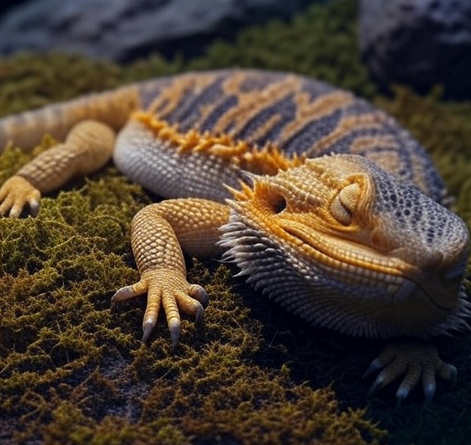
Discovering your bearded dragon has coccidia can feel like a gut punch. These tough little reptiles can be brought low by this sneaky parasite, but you’re not alone—it’s one of the most common issues owners face. This guide breaks down what coccidia is, how to spot it, effective treatments, and steps to prevent it from coming back. Let’s get your dragon back to basking and thriving.
What Is Coccidia and Why Does It Affect Bearded Dragons?
Coccidia are microscopic protozoan parasites, typically Isospora or Eimeria, that live in a bearded dragon’s intestines. In small numbers, they’re often harmless, but when they multiply, they cause coccidiosis—a condition that damages the gut lining and leads to serious health issues. Bearded dragons are vulnerable because they’re ground-dwellers, easily picking up oocysts (parasite eggs) from contaminated feces in their enclosure.
Stress from poor lighting, incorrect temperatures, or a weak diet can worsen the problem, especially in young dragons. While it’s not contagious to humans or non-reptile pets, it can spread between reptiles if hygiene slips. Knowing how coccidia works is the first step to stopping it—cleanliness and care are your best defenses.
Recognizing the Symptoms of Coccidia in Bearded Dragons
Catching coccidia early can save your dragon a lot of suffering. Look for loose, smelly, or bloody stools—a hallmark sign. Your beardie might lose weight despite eating, or stop eating entirely. Lethargy is common; if they’re slumped in a corner instead of basking, that’s a warning. Other clues include dehydration (sunken eyes, wrinkly skin), regurgitation, or stunted growth in juveniles.
Some dragons carry coccidia without symptoms (called coccidiasis), but stress can trigger a full-blown infection. To stay on top of these signs, the Bearded Dragon Care Checklist is a game-changer. Owners rave about its personalized PDF tasks—like monitoring stools—tailored to your dragon’s age, helping you catch issues early.
Here’s a quick comparison to spot trouble:
| Symptom | Coccidia Indicator | Normal Bearded Dragon |
|---|---|---|
| Stool | Loose, bloody, smelly | Firm, well-formed |
| Activity | Lethargic, hides a lot | Active, basks regularly |
| Appetite | Reduced or none | Steady, eager for food |
| Weight | Loss despite eating | Stable or gaining |
| Growth | Stunted in juveniles | Consistent progress |
This table isn’t a diagnosis—only a vet’s fecal test confirms coccidia—but it helps you know when to call.
Causes and Risk Factors for Coccidia Infections
Coccidia spreads when dragons ingest oocysts from feces, often via dirty substrates, uneaten food, or contaminated water. Key risks include:
- Dirty enclosures: Skipping daily cleanings lets oocysts build up.
- Stress: Improper UVB, heat, or diet weakens immunity.
- Poor sources: Dragons from overcrowded pet stores or shady breeders often carry parasites.
- Wild-caught insects: These can introduce oocysts.
A poorly designed enclosure—like one that’s too small or uses sand substrate—makes hygiene tough. Try the Bearded Dragon Enclosure Calculator for tailored advice on tank size, lighting, and substrate. Owners swear by it for setups that reduce parasite risks.
Treatment Options for Coccidia in Bearded Dragons
As an Amazon Associate, I earn from qualifying purchases.
Coccidia won’t clear up with home remedies—vet care is non-negotiable. A reptile vet will confirm the infection with a fecal test and likely prescribe ponazuril or toltrazuril, which target parasites effectively with minimal side effects. Older drugs like Albon work but can be rougher on your dragon’s system. Treatment typically runs 7-14 days, with follow-up tests to ensure the parasites are gone.
Supportive care makes a big difference. Hydration is critical, especially with diarrhea draining your dragon. Daily soaks in warm water (90°F, 15-30 minutes) in a clean Fluker’s Repta-Bowl keep water fresh and reduce contamination risks—owners love how sturdy these bowls are for finicky dragons. Add a few drops of ReptiSafe Water Conditioner for Reptiles to detoxify water, ensuring safe hydration during recovery. For nutrition, sprinkle Zoo Med Repti Calcium on food to boost strength, a vet-recommended trick to help weakened dragons bounce back.
Keep stress low by maintaining proper temperatures with a Zoo Med Digital MIN MAX Thermometer—it’s a must-have for precise basking zones (95-105°F) that owners trust to keep dragons comfortable. In severe cases, your vet might suggest fluids or hospitalization. Dr. Stephanie Nelk, a reptile veterinarian, emphasizes early action to prevent complications. My dragon Blaze got coccidia after I tried a cheap substrate—big mistake. A quick vet visit, meds, and a clean setup got him back to zooming after crickets.
Preventing Coccidia Reinfection and Keeping Your Dragon Healthy
Stopping coccidia means breaking its lifecycle. Spot-clean feces daily before oocysts sporulate (24-48 hours). Weekly deep cleans with F10 SC Veterinary Disinfectant are critical—it’s a vet-favorite for killing oocysts without toxic fumes, and owners say it’s hard to beat for safe, effective cleaning.
Here’s a guide to disinfectants that work:
| Disinfectant | How It Works | Usage Tips |
|---|---|---|
| F10 SC | Kills oocysts without fumes | Dilute 1:250, rinse well |
| Ammonia (10%) | Breaks down oocysts | Use in ventilated area, avoid porous surfaces |
| Steam Cleaning | Heat destroys parasites | Ideal for substrates and decor |
| Bleach (5-10%) | Chemical kill | Rinse thoroughly, less effective |
Test cleaners on a small area to avoid damaging your setup.
Quarantine new dragons for 30 days and get yearly fecal tests. Skip sand substrates—tile or paper towels are easier to clean. Use a Zoo Med Digital MIN MAX Thermometer to keep UVB and heat optimal, boosting immunity. Feed only captive-bred insects to avoid oocysts.
Busting Myths About Coccidia in Reptiles
- Myth: Every dragon with coccidia is sick. Fact: Many are symptom-free carriers, but stress can trigger illness.
- Myth: OTC remedies fix it. Fact: Only vet-prescribed meds work; herbal fixes like oregano oil fall short.
- Myth: One treatment ends it. Fact: Reinfection is common without strict hygiene.
Vet advice keeps you on the right track.
Wrapping Up: Get Your Bearded Dragon Back to Thriving
Coccidia is rough, but with vet care, tools like F10 SC Veterinary Disinfectant and Fluker’s Repta-Bowl, and diligent hygiene, your dragon can recover fully. Monitor closely, clean often, and keep stress low. Got a coccidia tip or setup idea? Drop it in the comments—it could save another dragon. Let’s keep our beardies healthy.
About the Author
Dragon King, founder of BeardedBuddies.com, has raised bearded dragons for over seven years, learning the hard way with my pal Blaze. When Blaze got coccidia from a pet store substrate, I was frantic, but a vet’s meds and a deep clean with F10 SC Veterinary Disinfectant turned things around. Now, I work with herpetologists to share vet-backed tips, helping owners keep their dragons thriving. All advice here is rooted in expert consultations and proven care practices.
BeardedBuddies.com collaborates with reptile experts to provide accurate, trustworthy care advice. This site participates in the Amazon Associates Program, earning from qualifying purchases.