
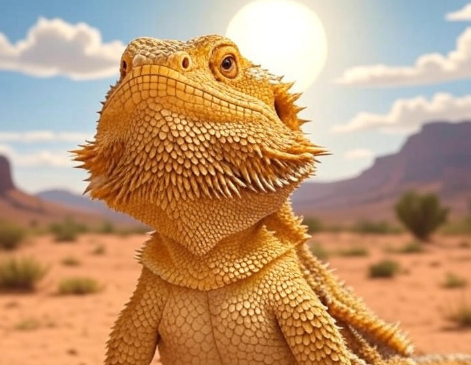
Understanding their unique needs—housing, diet, health care, and more—ensures a happy, healthy companion. Whether you’re a new owner or refining your approach, this guide outlines key factors to decide if they suit your lifestyle. Begin now to prepare for this rewarding journey.
This article covers solitary nature, veterinary care, housing requirements, dietary needs, long-term commitment, and conclusion. Start today to assess your readiness.
Disclosure: This post contains affiliate links. I may earn a small commission from purchases made through these links at no additional cost to you (#CommissionsEarned).
Solitary Nature and Social Needs
Bearded dragons are solitary, thriving best alone to avoid stress, aggression, or injuries from cohabitation, per The House of Animals (https://www.thehouseofanimals.com/2018/11/08/10-things-you-need-to-know-before-owning-a-bearded-dragon/). They enjoy human interaction but not dragon companionship, suiting low-maintenance pet seekers. Enhance your bonding with interaction tools on Amazon (https://amzn.to/4lku8DG).
Veterinary Care and Costs
Specialized vet care for bearded dragons, essential for issues like MBD or parasites, costs $50–$150+ per visit, per PetMD (https://www.petmd.com/reptile/bearded-dragon-care-sheet). Locate an exotic vet and budget for expenses, noting Salmonella risks require hygiene (handwashing). Enhance your prep with health kits on Amazon (https://amzn.to/4lku8DG).
Housing and Space Requirements
A 4x2x2-foot vivarium is ideal for adult bearded dragons (up to 24 inches), with 95–105°F basking, 75–85°F cool, and UVB lighting for bone health, costing $200–$500 initially, per The House of Animals (https://www.thehouseofanimals.com/2018/11/08/10-things-you-need-to-know-before-owning-a-bearded-dragon/). Use safe substrates like reptile carpet or tiles, avoiding calcium sand. Enhance your setup with enclosure supplies on Amazon (https://amzn.to/4lku8DG).
Dietary Needs
Omnivorous bearded dragons need gut-loaded, calcium-dusted insects (crickets, dubia roaches) and veggies—juveniles at 60–80% insects, adults at 75% plants—costing $10–$30 weekly, per The House of Animals (https://www.thehouseofanimals.com/2018/11/08/10-things-you-need-to-know-before-owning-a-bearded-dragon/). Remove uneaten insects, use baths for hydration/shedding. Enhance your feeding with nutrition tools on Amazon (https://amzn.to/4lku8DG).
Long-Term Commitment
With a 10–15-year lifespan, bearded dragons demand daily 1–2-hour care (feeding, cleaning, monitoring), requiring vacation/emergency plans like boarding, per RSPCA. Watch for stress signs (blackened beard) and check local ownership laws. Enhance your planning with care guides on Amazon (https://amzn.to/4lku8DG).
| Consideration | Details | Estimated Cost |
|---|---|---|
| Housing | 4x2x2 ft vivarium, UVB, heat | $200–$500 initial |
| Veterinary Care | Exotic vet visits, treatments | $50–$150/visit |
| Diet | Insects, veggies, supplements | $10–$30/week |
| Time Commitment | Daily feeding, cleaning, handling | 1–2 hours/day |
Conclusion: Prepare for a Fulfilling Commitment
Considering bearded dragon adoption means assessing their solitary nature, vet costs, housing, diet, and long-term care to ensure a thriving pet. Ensure your dragon thrives with interaction tools, health kits, enclosure supplies, nutrition tools, and care guides on Amazon (https://amzn.to/4lku8DG). Share your adoption plans in the comments and consult a veterinarian for tailored advice to keep your beardie flourishing.