
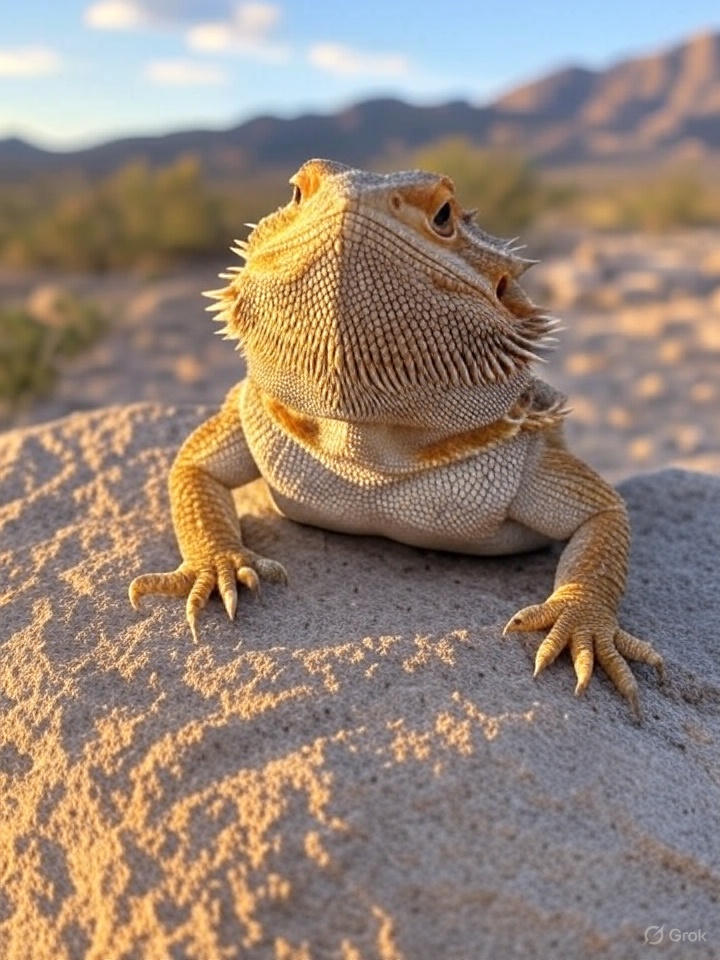
Maintaining a clean enclosure for your bearded dragon (Pogona vitticeps) is vital for their health, preventing bacterial infections, parasites, and stress-related issues. A dirty tank can lead to respiratory problems, skin infections, or impaction, especially in the arid conditions bearded dragons require. This step-by-step guide provides clear instructions to clean your bearded dragon’s enclosure effectively, ensuring a safe and healthy environment. Dr. Abigail Turner, a reptile veterinarian, emphasizes, “Regular cleaning of a bearded dragon’s enclosure is essential to prevent pathogens and support their well-being.” Follow these steps to keep your dragon’s habitat spotless and thriving.
Step 1: Prepare Cleaning Supplies
- Action: Gather reptile-safe cleaning supplies, including a mild dish soap (e.g., Dawn), a 10% bleach solution (1 part bleach to 9 parts water), distilled white vinegar, scrub brushes, sponges, and paper towels. Avoid harsh chemicals like ammonia or pine-based cleaners, which are toxic to reptiles.
- Why It Matters: Safe disinfectants prevent harmful residues while effectively eliminating bacteria and odors.
- Tip: Wear gloves to avoid skin irritation and keep a separate set of cleaning tools for the enclosure to prevent cross-contamination.
Step 2: Relocate Your Bearded Dragon
- Action: Gently move your bearded dragon to a secure, temporary holding area, such as a plastic container with ventilation and a towel for warmth. Ensure the container is escape-proof and maintained at 75-80°F.
- Why It Matters: Removing your dragon prevents stress and exposure to cleaning agents, keeping them safe during the process.
- Tip: Handle your dragon calmly, supporting their body to avoid triggering stress behaviors like biting.
Step 3: Remove Accessories and Substrate
- Action: Take out all removable items, including the Exo Terra Feeding Dish, Exo Terra Water Dish, hides, branches, and decorations. For loose substrates like Zoo Med Eco Earth Loose Coconut Fiber Substrate, scoop out soiled portions or replace entirely if heavily contaminated.
- Why It Matters: Removing items allows thorough cleaning and prevents bacteria from lingering in food or water dishes.
- Tip: In bioactive setups, spot-clean Zoo Med Eco Earth Loose Coconut Fiber Substrate daily to maintain the ecosystem, replacing only soiled sections weekly.
Step 4: Clean Dishes and Accessories
- Action: Wash the Exo Terra Feeding Dish and Exo Terra Water Dish with mild dish soap and hot water, scrubbing to remove food residue or algae. Soak in a 10% bleach solution for 10 minutes, rinse thoroughly, and air-dry. Clean hides and branches with vinegar or bleach solution, ensuring no soap residue remains.
- Why It Matters: Clean dishes prevent bacterial growth, reducing risks of infections like mouth rot.
- Tip: Use a dedicated brush for reptile accessories to avoid cross-contamination with household items.
Step 5: Deep Clean the Enclosure
- Action: Remove loose debris (e.g., feces, shed skin) with paper towels. Wipe down all surfaces—glass, PVC, or melamine—with a vinegar solution (1:1 water and vinegar) or mild soap and water. For stubborn stains, use a non-abrasive sponge. Disinfect with a 10% bleach solution, ensuring contact for 10 minutes, then rinse thoroughly and dry completely.
- Why It Matters: Deep cleaning eliminates bacteria, fungi, and parasites, maintaining a hygienic environment.
- Tip: Ensure the tank is completely dry before adding substrate to prevent mold, especially in bioactive setups.
Step 6: Replace or Refresh Substrate
- Action: For non-bioactive setups, replace reptile carpet or tiles after cleaning with soap and water. For bioactive enclosures, refresh Zoo Med Eco Earth Loose Coconut Fiber Substrate by removing soiled portions and adding fresh substrate as needed. Maintain cleanup crews (e.g., isopods) by ensuring proper moisture levels.
- Why It Matters: Fresh substrate prevents impaction and supports a healthy ecosystem in bioactive tanks.
- Tip: Avoid loose substrates like sand for juveniles to minimize ingestion risks.
Step 7: Reassemble the Enclosure
- Action: Return cleaned accessories, ensuring the Exo Terra Feeding Dish and Exo Terra Water Dish are placed on the cool side (75-80°F). Reinstall the Zoo Med ReptiSun UVB Bulb 6-12 inches from the basking spot for a 12-hour light cycle. Add hides and branches for enrichment.
- Why It Matters: Proper reassembly maintains a familiar, stress-free environment for your dragon.
- Tip: Check that all items are secure to prevent tipping or injury.
Step 8: Verify Tank Conditions
- Action: Use a Fluker’s Digital Thermometer/Hygrometer to confirm the basking spot is 95-110°F (100-115°F for juveniles), the warm zone is 85-90°F, the cool zone is 75-80°F, and humidity is 20-40%. Ensure the Zoo Med ReptiSun UVB Bulb is functioning correctly.
- Why It Matters: Stable conditions post-cleaning support health, preventing stress or respiratory issues.
- Tip: Monitor conditions twice daily for the first few days after cleaning to ensure stability.
Step 9: Return Your Bearded Dragon
- Action: Gently place your dragon back in the enclosure, allowing them to explore the clean environment. Watch for signs of stress (e.g., glass surfing, hiding) to ensure they readjust comfortably.
- Why It Matters: A calm return minimizes stress, helping your dragon settle back into their habitat.
- Tip: Offer a small meal in the Exo Terra Feeding Dish to encourage normal behavior.
Cleaning Schedule and Maintenance
- Daily: Spot-clean feces, uneaten food, and soiled substrate. Refill the Exo Terra Water Dish with fresh water.
- Weekly: Clean dishes and accessories with soap and water. Refresh bioactive substrate like Zoo Med Eco Earth Loose Coconut Fiber Substrate.
- Monthly: Perform a deep clean of the entire enclosure, disinfecting all surfaces and replacing substrate as needed.
- Tools: The Bearded Dragon Care Checklist helps track cleaning tasks, while the Bearded Dragon Enclosure Calculator ensures your setup supports hygiene.
| Cleaning Task | Frequency | Purpose | Recommended Product/Tool |
|---|---|---|---|
| Spot-Cleaning | Daily | Removes feces, food | Exo Terra Feeding Dish |
| Dish Cleaning | Weekly | Prevents bacteria | Exo Terra Water Dish |
| Substrate Refresh | Weekly/Monthly | Maintains hygiene | Zoo Med Eco Earth Substrate |
| Deep Cleaning | Monthly | Eliminates pathogens | 10% bleach solution |
| Condition Monitoring | Daily | Ensures health | Fluker’s Digital Thermometer/Hygrometer |
As an Amazon Associate, I earn from qualifying purchases. Tools like the Fluker’s Digital Thermometer/Hygrometer ensure a clean, healthy environment.
Common Mistakes to Avoid
- Using Toxic Cleaners: Avoid ammonia or pine-based cleaners, which are harmful. Use vinegar or bleach solutions.
- Incomplete Drying: Wet surfaces promote mold. Dry thoroughly before reassembly.
- Neglecting Dishes: Dirty dishes like the Exo Terra Feeding Dish harbor bacteria.
- Ignoring Conditions: Post-cleaning temperature or humidity shifts stress dragons. Check with a Fluker’s Digital Thermometer/Hygrometer.
Myths About Cleaning Bearded Dragon Enclosures
- Myth: “Cleaning once a month is enough.” Fact: Daily spot-cleaning and weekly maintenance are crucial.
- Myth: “Bioactive tanks don’t need cleaning.” Fact: Even bioactive setups require spot-cleaning of Zoo Med Eco Earth Substrate.
- Myth: “Any cleaner is safe.” Fact: Only reptile-safe disinfectants should be used.
Conclusion
Cleaning your bearded dragon’s enclosure involves preparing safe supplies, removing accessories, deep cleaning, and maintaining stable conditions with tools like the Fluker’s Digital Thermometer/Hygrometer and Exo Terra Water Dish. The Bearded Dragon Care Checklist and Bearded Dragon Enclosure Calculator streamline the process. How do you keep your dragon’s tank clean? Share your tips in the comments!
About the Author
I’m Dragon King, founder of BeardedBuddies.com and a reptile enthusiast with over seven years raising bearded dragons. My dragon, Blaze, thrives in a spotless tank cleaned with care, using an Exo Terra Feeding Dish to keep meals hygienic. I collaborate with reptile experts to share practical, trustworthy advice for dragon owners worldwide. All my tips are based on consultations with herpetologists and standard care practices.
BeardedBuddies.com collaborates with reptile experts to provide accurate, trustworthy care advice. This site participates in the Amazon Associates Program, earning from qualifying purchases.