
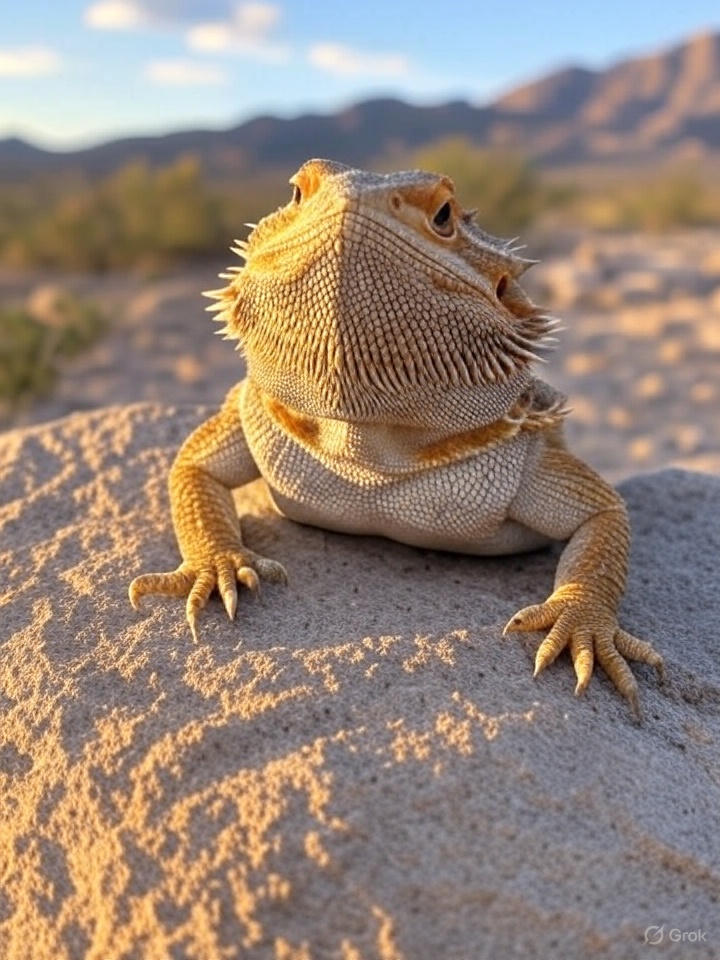
Bearded dragons are beloved pets whose care needs evolve as they reach senior status around 7–8 years, making caring for senior bearded dragons essential for their health and comfort. Reduced activity, slower metabolism, and potential health challenges demand thoughtful adjustments to ensure their well-being in golden years. Whether you’re a new owner or a seasoned enthusiast, this article offers practical tips. Begin now to support your aging dragon.
This article covers diet adjustments, hydration enhancement, stress reduction, habitat modifications, health monitoring, and conclusion. Start today to nurture your senior dragon’s vitality.
Disclosure: This post contains affiliate links. I may earn a small commission from purchases made through these links at no additional cost to you (#CommissionsEarned).
Adjusting Diet for Senior Bearded Dragons
As metabolism slows, adjust the senior bearded dragon diet to avoid obesity/digestive issues by excluding high-fat mealworms, butterworms, and superworms, favoring staple greens (collard, dandelion) and veggies, with fruits (e.g., apples, strawberries) 1–2 times weekly, per Lizards101 (https://www.lizards101.com/how-to-care-for-an-old-bearded-dragon-senior-care/). Use low-fat insects (hornworms, silkworms, crickets), chop food small, and assist with soft-tip tongs if weak. Offer calcium 2–3 times weekly and multivitamins once. Enhance your feeding with tongs on Amazon (https://amzn.to/4lku8DG).
Enhancing Hydration
Hydration is vital for senior bearded dragons with potential kidney decline—offer hydrating veggies (cucumber, zucchini) and fruits, mist nose/mouth daily, and provide 85–90°F baths (20 minutes) for shedding/hydration, per PangoVet (https://pangovet.com/pet-health-wellness/bearded-dragons/bearded-dragon-lifespan-how-long-do-they-live/). Keep baths shallow, monitoring comfort. Enhance your care with misting tools on Amazon (https://amzn.to/4lku8DG).
Reducing Stress for Better Quality of Life
Minimize stress for senior bearded dragons by removing cage mates, loud noises, or bright lights, housing solo due to their solitary nature, per Lizards101 (https://www.lizards101.com/how-can-i-tell-if-my-bearded-dragon-is-stressed/). Use dimmable lights, quiet surroundings, hides, and a consistent routine for comfort. Enhance your setup with hide accessories on Amazon (https://amzn.to/4lku8DG).
Modifying the Habitat for Accessibility
Adapt the habitat for senior bearded dragons with wide, low platforms or rocks for easy basking access (100–110°F under a heat lamp), maintaining 75–85°F cool side and 30–40% humidity, per Lizards101 (https://www.lizards101.com/how-to-care-for-an-old-bearded-dragon-senior-care/). Check for sharp hazards to prevent injury. Enhance your enclosure with platform supplies on Amazon (https://amzn.to/4lku8DG).
Monitoring Health and Considering End-of-Life Care
Monitor senior bearded dragons with regular vet checkups for MBD or organ decline, watching for lethargy, appetite loss, or weight loss—consult a vet for euthanasia if suffering (e.g., significant weight loss, inability to eat), ensuring a humane process, per Lizards101 (https://www.lizards101.com/how-to-care-for-an-old-bearded-dragon-senior-care/). Enhance your health with vet kits on Amazon (https://amzn.to/4lku8DG).
Conclusion: Support Your Senior Dragon’s Comfort
Caring for senior bearded dragons with a tailored diet, enhanced hydration, reduced stress, accessible habitat, and health monitoring ensures their well-being and longevity. Ensure your dragon thrives with tongs, misting tools, hide accessories, platform supplies, and vet kits on Amazon (https://amzn.to/4lku8DG). Share your senior care insights in the comments and consult a veterinarian for tailored advice to keep your beardie flourishing.