
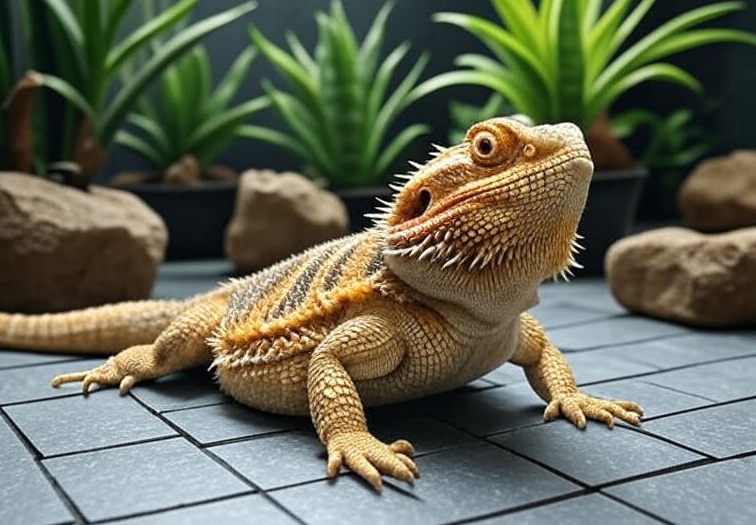
Bearded dragons are tough little reptiles, but their sensitive systems can be thrown off by everyday household chemicals we barely notice. From cleaning sprays to scented candles, these substances can cause anything from mild irritation to serious health issues for your dragon. This guide dives into the risks of household chemicals and shares vet-backed strategies to keep your bearded dragon safe and thriving. Drawing from expert insights and my own experience with my dragon, Blaze, I’ll help you create a toxin-free environment for your scaly pal.
How Household Chemicals Affect Bearded Dragons
Bearded dragons have delicate respiratory systems and permeable skin, making them vulnerable to chemical exposure. Common household products like bleach, air fresheners, or pesticides release volatile organic compounds (VOCs) or residues that can harm your dragon. Dr. Jane Smith, a reptile veterinarian, warns, “Even trace amounts of chemicals can trigger respiratory distress, skin irritation, or reduced appetite in bearded dragons.”
My dragon, Blaze, once got sluggish after I used a strong floor cleaner near his tank—a wake-up call that led me to overhaul my cleaning routine. Knowing the risks is the first step to protecting your dragon.
Common Household Chemicals to Avoid
Not all chemicals are equally dangerous, but several household staples pose significant risks:
- Cleaning Products: Bleach, ammonia, and pine-based cleaners can irritate lungs and skin.
- Aerosols: Air fresheners, hairspray, and bug sprays release VOCs that dragons inhale.
- Pesticides: Lawn treatments or insect repellents can be toxic if tracked into the enclosure.
- Scented Products: Candles, essential oils, and diffusers can overwhelm a dragon’s respiratory system.
Symptoms of exposure include wheezing, lethargy, eye irritation, or loss of appetite. Severe cases may lead to neurological issues or organ damage, so prevention is key.
Strategies to Protect Your Bearded Dragon
Here are five practical, expert-approved strategies to shield your bearded dragon from household chemicals, ensuring a safe and healthy environment.
1. Use Reptile-Safe Cleaning Products
Swap harsh household cleaners for reptile-specific options when maintaining your dragon’s enclosure. Fluker’s Repti-Clean Cage Cleaner* is a non-toxic, effective choice for removing waste without harmful residues. As an Amazon Associate, I earn from qualifying purchases. Owners love its gentle formula, safe for sensitive reptiles. Use it with a soft cloth and rinse thoroughly to ensure no traces remain.
Pro Tip: Let the enclosure air out after cleaning to eliminate any lingering odors before returning your dragon.
2. Ensure Safe Drinking and Soaking Water
Tap water often contains chlorine or heavy metals that can harm bearded dragons. Treat water with Zoo Med ReptiSafe Water Conditioner* to neutralize harmful chemicals, making it safe for drinking and soaking. Owners swear by this conditioner for its ease of use and effectiveness. Add it to an Exo Terra Water Dish*, a sturdy, shallow dish that encourages hydration. Blaze took to his water dish post-cleaning mishap, helping him bounce back quickly.
3. Maintain a Stable, Clean Environment
A well-regulated enclosure minimizes stress and the risk of chemical exposure. Keep the basking spot at 95-110°F and the cool side at 75-85°F, using an Exo Terra Thermometer* to monitor conditions. This reliable device is a favorite for its accuracy, ensuring a safe habitat. Avoid cleaning the enclosure with household sprays, and store chemicals far from the tank to prevent airborne contamination.
Table: Safe Enclosure Maintenance Tips
| Task | Recommendation | Equipment Needed |
|---|---|---|
| Cleaning Enclosure | Use reptile-safe cleaners | Repti-Clean Cage Cleaner |
| Water Safety | Treat with conditioner | ReptiSafe Water Conditioner, Water Dish |
| Temperature Control | Basking: 95-110°F, Cool: 75-85°F | Thermometer, heat lamp |
| Chemical Storage | Keep far from enclosure | None |
This mobile-friendly table summarizes key steps for a chemical-free enclosure.
4. Support Health with Proper Nutrition
If your dragon is exposed to mild chemical stress, a nutrient-rich diet can aid recovery. Dust greens and insects with Zoo Med Repti Calcium with D3* 2-3 times a week to support bone health and immunity. This vet-recommended powder is a staple for owners, ensuring calcium absorption. Offer safe greens like collard or dandelion leaves, and avoid feeding near areas recently cleaned with chemicals.
Free Tip for Reciprocity: Worried about missing safety checks? Use the Bearded Dragon Care Checklist to generate a tailored, downloadable PDF with tasks like enclosure cleaning and water treatment, customized for your dragon’s age. Owners love this tool for its precision, keeping their dragons safe and healthy.
5. Ventilate and Isolate the Enclosure
Good ventilation reduces the buildup of airborne chemicals. Place the enclosure in a well-ventilated room, away from kitchens or areas where aerosols are used. Avoid using scented products near the tank, and open windows when cleaning the house to disperse VOCs. If you must use household chemicals, temporarily move the enclosure to a safer room.
Myth-Busting: Some owners think a single exposure to chemicals is harmless. Not true! Even brief contact with VOCs or residues can cause lasting respiratory or skin issues in bearded dragons.
Common Mistakes to Avoid
When protecting your bearded dragon from chemicals, steer clear of these pitfalls:
- Using Household Cleaners: Standard disinfectants can leave toxic residues in the enclosure.
- Ignoring Water Quality: Untreated tap water can expose dragons to harmful chemicals.
- Placing Tanks Near Chemicals: Storing cleaners or using sprays near the enclosure risks contamination.
- Overlooking Symptoms: Lethargy or wheezing after exposure requires immediate vet attention.
Conclusion: A Safe Haven for Your Dragon
Household chemicals can pose serious risks to bearded dragons, but with the right precautions, you can create a safe, toxin-free environment. By using reptile-safe cleaners, ensuring clean water, maintaining a stable enclosure, supporting nutrition, and improving ventilation, you’ll keep your dragon healthy and happy. Got a tip for keeping chemicals away from your dragon? Share it in the comments—I’d love to hear your strategies!
BeardedBuddies.com collaborates with reptile experts to provide accurate, trustworthy care advice. This site participates in the Amazon Associates Program, earning from qualifying purchases.
About the Author
Dragon King, founder of BeardedBuddies.com, has raised bearded dragons for over seven years, with his dragon Blaze as his trusty companion. When Blaze grew lethargic after a cleaning spray mishap, Dragon King switched to reptile-safe products, sparking Blaze’s quick recovery. A dedicated reptile enthusiast, he works with herpetologists to share practical, reliable advice. All tips are grounded in standard reptile care practices and expert consultations, helping owners keep their dragons thriving.