
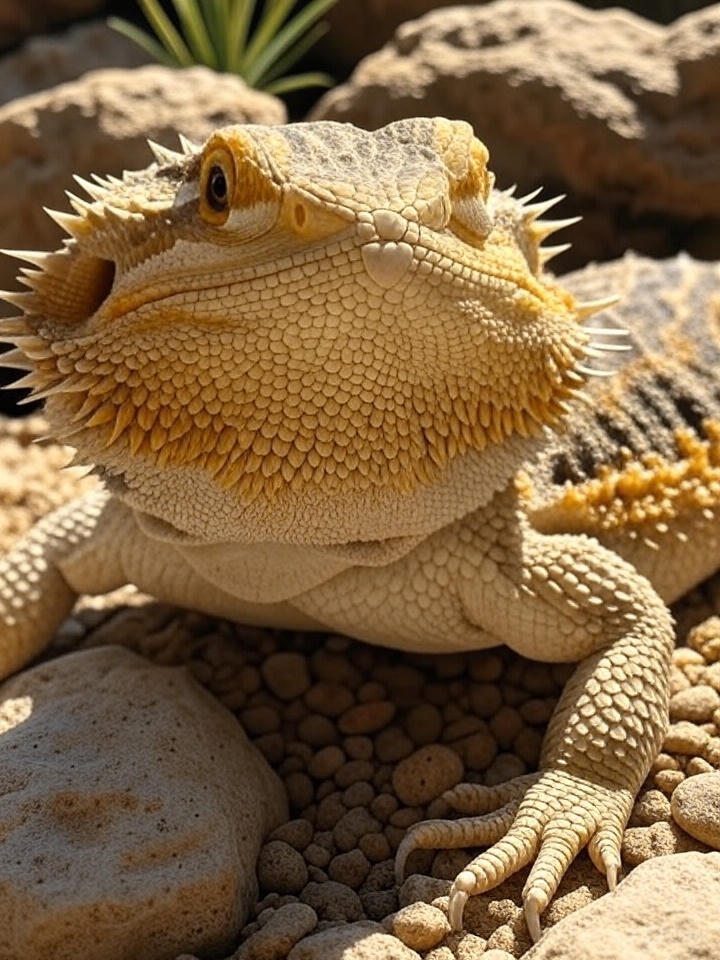
Bearded dragon hatchlings are tiny, delicate, and full of potential, but their first month is critical for growth and survival. These little dragons need precise care to thrive, from tailored diets to perfect habitats. Whether you’re a breeder or new owner, understanding their needs ensures a healthy start. This guide covers everything you need to care for bearded dragon hatchlings in their first 30 days, with practical tips for success. Let’s help your baby dragons grow strong.
Needs of Bearded Dragon Hatchlings
Hatchlings (0-3 months) are 3-4 inches long and require intensive care:
- High Protein Diet: 70-80% insects to fuel rapid growth.
- UVB Lighting: Essential for bone development.
- Warm Temperatures: Basking spots at 100-105°F support metabolism.
- Frequent Monitoring: Daily checks for health and growth.
A Zoo Med ReptiSun UVB Bulb* is critical for their development. As an Amazon Associate, I earn from qualifying purchases.
Setting Up a Hatchling Habitat
Create a safe, warm environment:
- Tank Size: A 20-40 gallon tank prevents stress. Avoid large tanks to ensure easy access to food and heat.
- UVB Lighting: Use a Zoo Med ReptiSun UVB Bulb* (T5 10.0) 6-8 inches from the basking spot for a UVI of 4.0-6.0.
- Temperature: Basking at 100-105°F, cool side at 80-85°F, checked with an Exo Terra Digital Thermometer*.
- Substrate: Use paper towels or reptile carpet for easy cleaning and to prevent impaction.
- Hides: Small hides provide security without overwhelming space.
The Bearded Dragon Enclosure Calculator ensures the perfect setup. Owners love its tailored recommendations for hatchling tanks.
Feeding Hatchling Bearded Dragons
Hatchlings need frequent, protein-rich meals:
- Insects: Offer small crickets, pinhead roaches, or phoenix worms 3-5 times daily, sized smaller than the space between their eyes.
- Greens: Provide 20-30% finely chopped collards or dandelion greens in a Fluker’s Repta-Bowl* to build veggie habits.
- Supplements: Dust insects with Zoo Med Repti Calcium* 4-5 times weekly for calcium support.
Monitor weight with a Pet Scale for Small Animal* to ensure steady growth (10-20 grams by month’s end).
Daily Care Routine
| Task | Frequency | Details |
|---|---|---|
| Feeding | 3-5 times/day | Small insects, dusted, in a Fluker’s Repta-Bowl*. |
| UVB Exposure | 12-14 hours/day | Use Zoo Med ReptiSun UVB Bulb*. |
| Temperature Check | Daily | Maintain 100-105°F basking with Exo Terra Digital Thermometer*. |
| Cleaning | Daily spot clean | Remove uneaten food and feces. |
| Weight Monitoring | Weekly | Use Pet Scale for Small Animal*. |
My hatchling, Blaze’s cousin, thrived with this routine, doubling in size in a month.
Common Hatchling Health Issues
- MBD: Soft bones from poor UVB or calcium. Use Zoo Med Repti Calcium* and proper lighting.
- Impaction: Caused by large insects or loose substrate. Stick to safe substrates.
- Stress: Overhandling or poor conditions cause lethargy. Limit handling to 5 minutes daily.
Consult a vet like Dr. Stephanie Nelk if issues persist.
Myths About Hatchling Care
- Myth: Hatchlings need the same care as adults.
Truth: They require more protein and warmer temperatures. - Myth: Any UVB bulb works.
Truth: Only T5 or T8 bulbs like Zoo Med ReptiSun UVB Bulb* are safe. - Myth: Hatchlings don’t need greens.
Truth: Early veggie exposure builds healthy habits.
Conclusion: Nurture Your Hatchlings Right
Caring for bearded dragon hatchlings in their first month means providing a warm, safe habitat, frequent feedings, and diligent monitoring. Tools like the Bearded Dragon Enclosure Calculator, paired with Zoo Med ReptiSun UVB Bulb* and Fluker’s Repta-Bowl*, set them up for success. Share your hatchling care tips in the comments—I’d love to hear about your tiny dragons!
BeardedBuddies.com collaborates with reptile experts to provide accurate, trustworthy care advice. This site participates in the Amazon Associates Program, earning from qualifying purchases.
About the Author
Dragon King, founder of BeardedBuddies.com, has raised bearded dragons for over seven years. He nurtured a clutch of hatchlings, learning the ropes of early care. Working with experts like Dr. Stephanie Nelk, a reptile veterinarian, he shares tips for hatchling success. All advice is based on consultations with herpetologists and standard reptile care practices.