
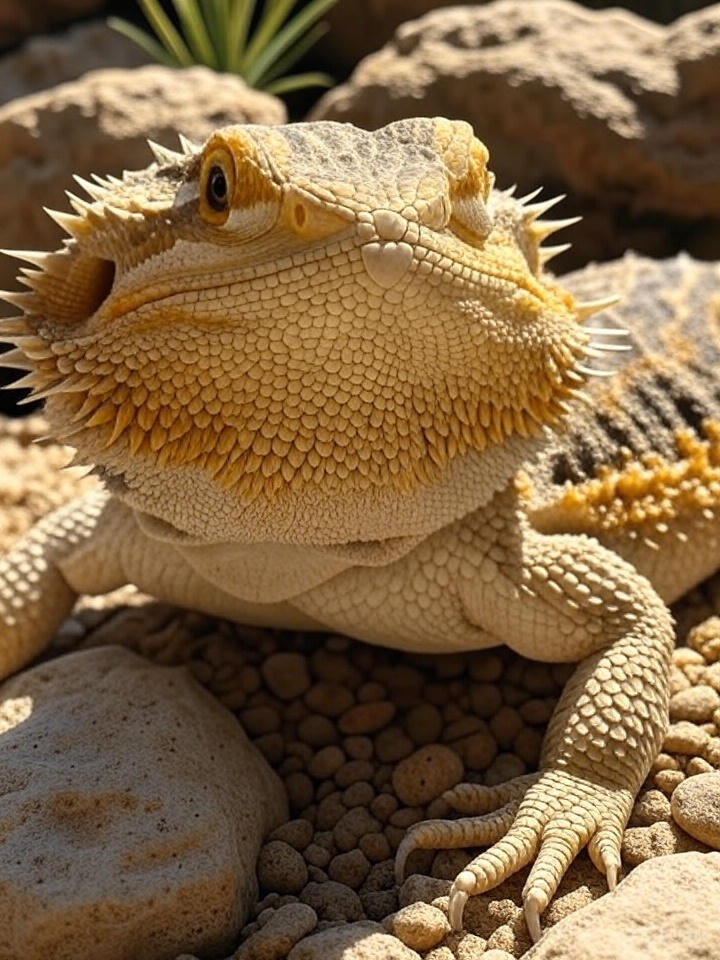
Bearded dragons are cherished for their docile nature and unique personalities, but choosing the right substrate for their enclosure is a critical decision that impacts their health and happiness. Bioactive substrates, which incorporate live organisms like isopods and springtails, are gaining popularity for creating a naturalistic, self-sustaining environment. But are they the best choice for your bearded dragon? In this guide, we’ll dive into the pros and cons of bioactive substrates, helping you decide if they’re right for your scaly companion. Whether you’re a seasoned keeper or new to dragon care, these insights will ensure your pet thrives in a safe, comfortable habitat.
Why Substrates Matter for Bearded Dragons
Substrates form the foundation of a bearded dragon’s enclosure, affecting their comfort, behavior, and health. Bioactive substrates aim to replicate the arid, desert-like conditions of their native Australian habitat while introducing a living ecosystem to break down waste. Dr. Stephanie Nelk, a reptile veterinarian, notes, “The right substrate can enhance a bearded dragon’s quality of life, but improper choices can lead to health issues like impaction or respiratory problems.” Understanding the benefits and risks of bioactive substrates helps you create an environment tailored to your dragon’s needs.
What Are Bioactive Substrates?
Bioactive substrates are a mix of natural materials like sand, topsoil, and coconut fiber (e.g., Zoo Med Eco Earth Loose Coconut Fiber Substrate), combined with cleanup crews like isopods and springtails. These organisms decompose waste, shed skin, and uneaten food, creating a self-cleaning ecosystem. For bearded dragons, bioactive setups are designed for arid conditions, often including live plants and varied terrain to mimic their natural habitat. This approach contrasts with traditional substrates like reptile carpet or tile, offering unique advantages and challenges.
As an Amazon Associate, I earn from qualifying purchases. Products like Zoo Med Eco Earth Loose Coconut Fiber Substrate and Fluker’s Digital Thermometer/Hygrometer are essential for a successful bioactive setup.
Pros of Bioactive Substrates
Bioactive substrates offer several benefits for bearded dragons, particularly for experienced keepers who can manage their complexity. Here’s a detailed look:
- Naturalistic Environment
Bioactive substrates closely mimic the desert landscapes bearded dragons call home, encouraging natural behaviors like digging and exploring. This can reduce stress and promote mental stimulation, as owners on forums like Our Reptile Forum have observed, noting happier dragons in naturalistic setups. The inclusion of live plants and varied textures adds enrichment, making the enclosure visually appealing for both dragon and owner. - Self-Cleaning and Low Maintenance
The cleanup crew in bioactive substrates breaks down waste, reducing the need for frequent spot cleaning. This minimizes odor and simplifies maintenance, as highlighted by users on Bearded Dragon Forum who report less cleaning effort compared to traditional substrates. Once established, a bioactive enclosure can last years with proper care, offering long-term sustainability. - Humidity Regulation
Bearded dragons require low humidity (20-40%) to prevent respiratory issues. Bioactive substrates, when properly managed with a Fluker’s Digital Thermometer/Hygrometer, help maintain stable humidity levels, supporting lung health. Sources like Zen Habitats emphasize this benefit for arid bioactive setups, making them ideal for preventing conditions like respiratory infections. - Aesthetic Appeal and Enrichment
A bioactive enclosure with live plants and natural elements is visually stunning and provides mental stimulation. Dragons can explore varied surfaces or rest in a cozy Exo Terra Cocount Cave, enhancing their quality of life. Talis Us notes that such setups encourage natural behaviors, improving overall well-being. - Supports Health with Proper Lighting
Bioactive setups pair well with a Zoo Med ReptiSun UVB Bulb, which supports vitamin D3 synthesis and strengthens immunity. A healthy dragon is more likely to thrive in a bioactive environment, as the naturalistic setup complements their physiological needs.
| Pros | Details | Recommended Product/Tool |
|---|---|---|
| Naturalistic Environment | Mimics desert habitat, reduces stress | Exo Terra Cocount Cave |
| Self-Cleaning | Cleanup crew reduces maintenance | Zoo Med Eco Earth Loose Coconut Fiber Substrate |
| Humidity Regulation | Maintains 20-40% humidity for health | Fluker’s Digital Thermometer/Hygrometer |
| Aesthetic Appeal | Enhances enrichment with plants | Zoo Med ReptiSun UVB Bulb |
| Long-Term Sustainability | Lasts years with proper care | Exo Terra Feeding Dish |
Cons of Bioactive Substrates
Despite their benefits, bioactive substrates come with challenges that may not suit every owner or dragon. Here are the key drawbacks:
- Impaction Risk
Bearded dragons can ingest loose substrate while eating or exploring, leading to impaction—a potentially fatal blockage in the digestive tract. Sources like Quality Cage and ReptiFiles warn that bioactive substrates, especially those with fine particles, increase this risk, particularly for juveniles or dragons not fed in a separate Exo Terra Feeding Dish. - Maintenance Complexity
While bioactive substrates reduce cleaning, they require ongoing care to maintain the ecosystem. This includes feeding the cleanup crew, checking for pests, and ensuring proper humidity with a Fluker’s Digital Thermometer/Hygrometer. Beginners may find this overwhelming, as noted in discussions on Our Reptile Forum. - Higher Initial Cost
Setting up a bioactive enclosure is more expensive upfront, requiring substrates like Zoo Med Eco Earth Loose Coconut Fiber Substrate, cleanup crews, and plants. Additional tools like a Fluker’s Digital Thermometer/Hygrometer add to the cost, which can be a barrier for new owners, as mentioned on Quora. - Not Beginner-Friendly
Bioactive setups demand a solid understanding of reptile husbandry to troubleshoot issues like pest infestations or ecosystem imbalances. Bearded Dragon Forum and other sources suggest that novices may struggle with the complexity, making simpler substrates like tile a better starting point. - Potential for Pests
If not properly managed, bioactive substrates can attract unwanted pests like mites or fruit flies, as warned by Zen Habitats. This risk increases if humidity spikes beyond 40%, requiring vigilant monitoring with a Fluker’s Digital Thermometer/Hygrometer.
| Cons | Details | Mitigation |
|---|---|---|
| Impaction Risk | Ingesting substrate can cause blockages | Use Exo Terra Feeding Dish |
| Maintenance Complexity | Requires ecosystem monitoring | Monitor with Fluker’s Digital Thermometer/Hygrometer |
| Higher Cost | Expensive initial setup | Plan budget for Zoo Med Eco Earth |
| Not Beginner-Friendly | Complex for new keepers | Start with simpler substrates |
| Pest Risk | Can attract mites or flies | Regular checks with Fluker’s Digital Thermometer/Hygrometer |
Tips for Using Bioactive Substrates Safely
To maximize the benefits and minimize risks:
- Choose Arid-Specific Substrates: Opt for a mix like Zoo Med Eco Earth Loose Coconut Fiber Substrate with coarse sand to reduce impaction risk, as recommended by ReptiFiles.
- Feed in a Dish: Use an Exo Terra Feeding Dish to prevent substrate ingestion during meals.
- Monitor Conditions: Check temperature (basking: 95-110°F; cool side: 75-80°F) and humidity (20-40%) daily with a Fluker’s Digital Thermometer/Hygrometer.
- Provide Hides: Include an Exo Terra Cocount Cave to reduce stress, especially for shy dragons.
- Use Proper Lighting: A Zoo Med ReptiSun UVB Bulb supports health, complementing the bioactive setup.
The Bearded Dragon Enclosure Calculator helps tailor your bioactive setup with precise temperature and substrate recommendations.
Alternatives to Bioactive Substrates
If bioactive substrates seem too complex, consider:
- Reptile Carpet: Easy to clean but may harbor bacteria if not maintained, as noted by Swell UK.
- Ceramic Tile or Slate: No impaction risk and easy to clean, but less naturalistic, per Quality Cage.
- Paper Towels: Safe and affordable for beginners but not aesthetically pleasing or enriching.
The Bearded Dragon Care Checklist helps track maintenance tasks for any substrate choice, ensuring a healthy environment.
Myths About Bioactive Substrates
Let’s debunk some misconceptions:
- Myth: “Bioactive substrates are always safe.” Fact: Impaction risks require careful management with an Exo Terra Feeding Dish.
- Myth: “They require no maintenance.” Fact: Regular monitoring with a Fluker’s Digital Thermometer/Hygrometer is essential.
- Myth: “All dragons thrive in bioactive setups.” Fact: Juveniles and beginners may need simpler substrates.
Conclusion
Bioactive substrates offer a naturalistic, low-maintenance option for bearded dragons, promoting health and enrichment when managed correctly. However, risks like impaction and complexity make them better suited for experienced keepers. Using products like Zoo Med Eco Earth Loose Coconut Fiber Substrate, Fluker’s Digital Thermometer/Hygrometer, and Exo Terra Cocount Cave ensures a safe setup. Tools like the Bearded Dragon Enclosure Calculator and Bearded Dragon Care Checklist simplify the process. Have you tried a bioactive setup? Share your experience or ask for tips in the comments!
About the Author
I’m Dragon King, founder of BeardedBuddies.com and a reptile enthusiast with over seven years raising bearded dragons. My dragon, Blaze, thrived in a bioactive setup with Zoo Med Eco Earth Loose Coconut Fiber Substrate, but I learned to monitor closely with a Fluker’s Digital Thermometer/Hygrometer to avoid pests. I collaborate with herpetologists to share practical, trustworthy advice for dragon owners worldwide. All my tips are based on consultations with reptile experts and standard care practices.
BeardedBuddies.com collaborates with reptile experts to provide accurate, trustworthy care advice. This site participates in the Amazon Associates Program, earning from qualifying purchases.