
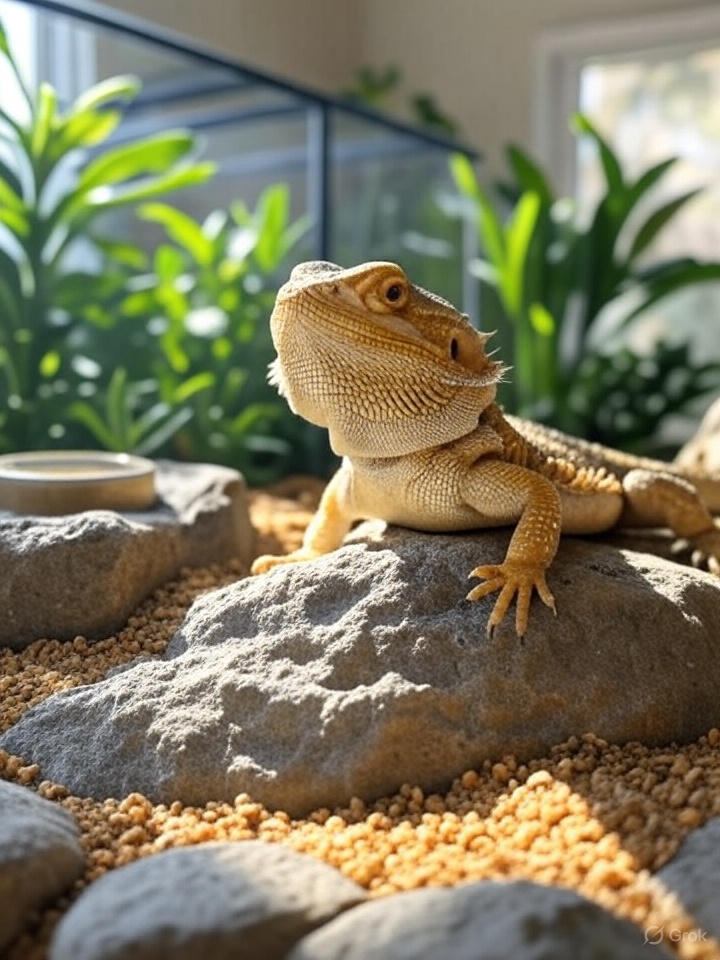
Bioactive enclosures for bearded dragons (Pogona vitticeps) combine natural substrates, cleanup crews, and live plants to create a self-sustaining, desert-like habitat that mimics their Australian homeland. Selecting the right plants is critical for maintaining a healthy, visually appealing enclosure while ensuring safety and low humidity. This comparative analysis evaluates the best plants for a bioactive bearded dragon enclosure, focusing on their suitability, benefits, and care requirements. By choosing arid-adapted, non-toxic plants, you can enhance your dragon’s environment and well-being. Dr. Ethan Brooks, a reptile ecologist, notes, “Plants in bioactive enclosures provide enrichment and stability, but they must be safe and suited to the dragon’s arid needs.” Let’s compare the top plants to help you craft the perfect bioactive setup.
Why Plants Matter in a Bioactive Enclosure
Bioactive enclosures use substrates like Zoo Med Eco Earth Loose Coconut Fiber Substrate, isopods, and springtails to break down waste, paired with plants to enhance aesthetics and provide shade or climbing opportunities. Plants must be non-toxic, drought-tolerant, and able to thrive in low humidity (20-40%) to suit bearded dragons’ desert habitat. They contribute to mental stimulation, air quality, and ecosystem balance, but improper choices can raise humidity or pose toxicity risks. This analysis compares five safe, arid-adapted plants based on safety, durability, maintenance, and dragon compatibility.
Comparative Analysis of the Best Plants
1. Aloe Vera (Aloe barbadensis)
- Safety: Non-toxic, safe for bearded dragons if they nibble, though ingestion should be minimal due to mild laxative properties.
- Benefits: Provides shade, adds a desert aesthetic, and is highly drought-tolerant, thriving in low-humidity conditions (20-40%). Its thick leaves withstand dragon climbing.
- Maintenance: Low; requires minimal watering (once every 2-3 weeks) and well-draining substrate like Zoo Med Eco Earth Loose Coconut Fiber Substrate. Needs bright light from a Zoo Med ReptiSun UVB Bulb.
- Suitability: Ideal for bioactive enclosures; durable and low-maintenance, perfect for beginners. Monitor humidity with a Fluker’s Digital Thermometer/Hygrometer to prevent overwatering.
- Drawbacks: Large plants may take up space in smaller tanks (40-120 gallons). Secure in a pot to prevent toppling.
2. Haworthia (Haworthia spp.)
- Safety: Non-toxic and safe, with soft, fleshy leaves that pose no harm if nibbled.
- Benefits: Compact size (3-6 inches) fits smaller enclosures, and its rosette shape adds visual appeal. Thrives in arid conditions with minimal water.
- Maintenance: Very low; water sparingly (once monthly) and ensure good drainage. Tolerates low light but benefits from UVB exposure.
- Suitability: Excellent for bioactive setups due to small size and durability. Pairs well with an Exo Terra Cocount Cave for a cohesive desert look.
- Drawbacks: Less shade than larger plants, so combine with other structures for enrichment.
3. Echeveria (Echeveria spp.)
- Safety: Non-toxic, safe for bearded dragons, though ingestion should be limited to avoid digestive upset.
- Benefits: Vibrant rosettes add color, and its drought tolerance aligns with bearded dragon needs. Provides low cover for exploration.
- Maintenance: Low; water every 2-3 weeks in well-draining substrate. Requires bright light, supported by a Zoo Med ReptiSun UVB Bulb.
- Suitability: Great for bioactive enclosures, especially in 120-gallon tanks, due to aesthetic appeal and hardiness.
- Drawbacks: Delicate leaves may break if stepped on by larger dragons. Secure in a pot to protect roots.
4. Jade Plant (Crassula ovata)
- Safety: Non-toxic, but excessive ingestion may cause mild digestive issues, so place out of reach or monitor.
- Benefits: Sturdy, tree-like structure offers shade and climbing opportunities. Thrives in low humidity and requires minimal water.
- Maintenance: Moderate; water every 2-4 weeks and prune to maintain size. Needs bright light and stable temperatures (75-80°F cool side).
- Suitability: Suitable for larger enclosures (120+ gallons) with a Fluker’s Digital Thermometer/Hygrometer to monitor conditions.
- Drawbacks: Larger size requires space; heavy branches may need securing to prevent toppling.
5. Ponytail Palm (Beaucarnea recurvata)
- Safety: Non-toxic, safe for bearded dragons, with tough leaves that withstand climbing.
- Benefits: Adds height and a desert-like aesthetic, providing shade and enrichment. Highly drought-tolerant, needing water only monthly.
- Maintenance: Low; thrives in well-draining substrate and low humidity. Benefits from UVB light for growth.
- Suitability: Ideal for spacious bioactive enclosures, complementing an Exo Terra Cocount Cave for a natural look.
- Drawbacks: Requires a large tank (120+ gallons) due to size; not ideal for juveniles in smaller setups.
| Plant | Safety | Benefits | Maintenance | Recommended Product/Tool |
|---|---|---|---|---|
| Aloe Vera | Non-toxic | Shade, aesthetic | Low; water every 2-3 weeks | Zoo Med Eco Earth Substrate |
| Haworthia | Non-toxic | Compact, durable | Very low; water monthly | Exo Terra Cocount Cave |
| Echeveria | Non-toxic | Colorful, low cover | Low; water every 2-3 weeks | Zoo Med ReptiSun UVB Bulb |
| Jade Plant | Non-toxic | Shade, climbing | Moderate; prune, water 2-4 weeks | Fluker’s Digital Thermometer/Hygrometer |
| Ponytail Palm | Non-toxic | Height, shade | Low; water monthly | Exo Terra Water Dish |
As an Amazon Associate, I earn from qualifying purchases. Tools like Zoo Med Eco Earth Loose Coconut Fiber Substrate create a solid foundation for these plants.
How to Incorporate Plants into a Bioactive Enclosure
- Choose a Suitable Tank:
- Use a 120-gallon tank (4x2x2 feet) for adults to accommodate plants and cleanup crews. Juveniles can use 40-75 gallons but upgrade as they grow.
- Ensure good ventilation to maintain 20-40% humidity, monitored with a Fluker’s Digital Thermometer/Hygrometer.
- Set Up the Substrate:
- Use a mix of Zoo Med Eco Earth Loose Coconut Fiber Substrate with coarse sand or clay for drainage and a desert-like base. Add isopods and springtails for waste breakdown.
- Secure plants in pots or directly in the substrate, ensuring roots are stable to prevent toppling.
- Provide Proper Lighting:
- Install a Zoo Med ReptiSun UVB Bulb 6-12 inches from the basking spot for a 12-hour cycle, supporting dragon health and plant growth.
- Ensure plants receive bright light without obstructing UVB access for your dragon.
- Maintain Low Humidity:
- Keep humidity at 20-40% to prevent respiratory issues. Use an Exo Terra Water Dish on the cool side for hydration without spiking moisture.
- Water plants sparingly to avoid excess humidity, checking with a Fluker’s Digital Thermometer/Hygrometer.
- Add Enrichment and Hides:
- Place an Exo Terra Cocount Cave near plants for stress relief and a naturalistic look.
- Add rocks or branches around plants for climbing, ensuring they’re stable.
The Bearded Dragon Enclosure Calculator tailors bioactive setup recommendations, while the Bearded Dragon Care Checklist tracks plant maintenance and tank conditions.
Common Mistakes to Avoid
- Choosing Toxic Plants: Avoid plants like pothos or ivy, which are toxic if ingested.
- Overwatering: Excess water raises humidity, risking respiratory issues. Monitor with a Fluker’s Digital Thermometer/Hygrometer.
- Unstable Plants: Unsecured plants can tip, stressing dragons. Use pots or secure roots.
- Blocking UVB: Ensure plants don’t obstruct the Zoo Med ReptiSun UVB Bulb.
Myths About Plants in Bioactive Enclosures
- Myth: “Any plant works in a bioactive setup.” Fact: Only arid-adapted, non-toxic plants are safe.
- Myth: “Plants don’t need maintenance.” Fact: They require sparing watering and monitoring.
- Myth: “Plants raise humidity too much.” Fact: With proper care, they maintain low humidity.
Conclusion
The best plants for a bioactive bearded dragon enclosure—Aloe Vera, Haworthia, Echeveria, Jade Plant, and Ponytail Palm—offer safety, durability, and desert aesthetics. Use Zoo Med Eco Earth Loose Coconut Fiber Substrate for the base, monitor with a Fluker’s Digital Thermometer/Hygrometer, and ensure UVB with a Zoo Med ReptiSun UVB Bulb. The Bearded Dragon Enclosure Calculator and Bearded Dragon Care Checklist simplify setup. Which plants are in your bioactive tank? Share your setup in the comments!
About the Author
I’m Dragon King, founder of BeardedBuddies.com and a reptile enthusiast with over seven years raising bearded dragons. My dragon, Blaze, loves his bioactive setup with Aloe Vera and an Exo Terra Cocount Cave. I collaborate with reptile experts to share practical, trustworthy advice for dragon owners worldwide. All my tips are based on consultations with herpetologists and standard care practices.
BeardedBuddies.com collaborates with reptile experts to provide accurate, trustworthy care advice. This site participates in the Amazon Associates Program, earning from qualifying purchases.