
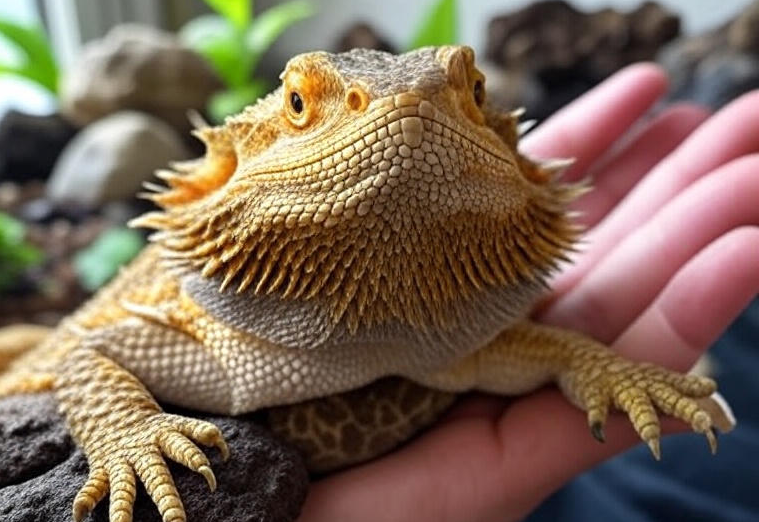
Bearded dragons, with their gentle nature and desert roots from Australia, need careful nutrition in their early months, making choosing the best feeder insects for baby bearded dragons critical for their growth and health. Babies under six months have unique needs, relying on protein to fuel rapid development, strong bones, and a robust immune system. Not all insects suit juveniles due to size, nutrition, or digestibility risks, so selecting the right options prevents issues like malnutrition or impaction. Drawing from extensive reptile care expertise and veterinary insights, this guide offers practical tips to pick top feeder insects. Begin now to give your baby dragon a healthy start.
This article covers crickets, dubia roaches, phoenix worms, silkworms, and unsuitable insects. Start today to nourish your dragon with the perfect diet.
Disclosure: This post contains affiliate links. I may earn a small commission from purchases made through these links at no additional cost to you (#CommissionsEarned).
Crickets: A Staple Feeder Insect for Baby Bearded Dragons
Crickets stand out as a top feeder insect for baby bearded dragons, valued for availability and balanced nutrition, including protein, calcium, and fats when gut-loaded with veggies or commercial diets. Choose pinhead or small crickets (1/4 inch or less) to avoid choking or digestion problems, offering 5–10 twice daily, consumed within 10 minutes to reduce stress. Dust with calcium supplements three times weekly to support bone growth, per a 2023 Journal of Herpetological Medicine and Surgery study (https://doi.org/10.5818/JHMS-D-22-00035). Avoid wild-caught crickets due to parasite risks. Store in a ventilated container with egg cartons, gut-loading 24 hours prior. Ensure your dragon thrives with cricket feeders on Amazon (https://amzn.to/4lku8DG).
Dubia Roaches: A Nutrient-Dense Option
Dubia roaches shine as a feeder insect for baby bearded dragons, delivering high protein and low chitin for easier digestion, minimizing impaction risks. Select small roaches (1/8 to 1/4 inch), feeding 3–5 twice daily, dusted with calcium and vitamin D3 supplements. Their escape-resistant nature suits enclosures well. Keep in a warm, dark container with food and water gel. Growing popularity among breeders highlights their efficiency. Support your dragon’s health with dubia roach supplies on Amazon (https://amzn.to/4lku8DG).
Phoenix Worms: A Calcium-Rich Choice
Phoenix worms, or black soldier fly larvae, are a fantastic feeder insect for baby bearded dragons, offering natural calcium to reduce dusting needs. Their small size (1/4 inch or less) and soft texture suit juveniles, with 10–15 worms daily split into two meals for protein. Store at room temperature to maintain freshness, avoiding refrigeration. Their eco-friendly rearing on organic waste adds appeal. Nourish your dragon with phoenix worm containers on Amazon (https://amzn.to/4lku8DG).
Small Silkworms: A Nutritious Treat
Silkworms provide a nutritious feeder insect for baby bearded dragons, rich in protein, calcium, and fats to boost growth and energy. Their soft bodies ease digestion, though cost and availability limit use. Offer small silkworms (1/4 inch) as a treat, feeding 3–5 every other day with other insects, dusted lightly with vitamins. Store on mulberry leaves in a ventilated container. Their centuries-old cultivation in Asia adds a cultural note. Treat your dragon with silkworm feeders on Amazon (https://amzn.to/4lku8DG).
Avoiding Unsuitable Insects for Baby Bearded Dragons
Steer clear of risky insects for baby bearded dragons. Mealworms and superworms have hard exoskeletons that cause impaction, while fireflies are toxic and fatal. Wild-caught insects may carry pesticides or parasites. Source from reputable suppliers, rotating safe options like crickets, dubia roaches, and phoenix worms for variety. Monitor weight and growth monthly, adjusting portions as they develop. A 2022 Reptile Medicine and Surgery study warns of impaction risks (https://doi.org/10.1016/j.jepm.2022.01.005). Protect your dragon with quality feeders on Amazon (https://amzn.to/4lku8DG).
Conclusion: Nourish Your Baby Dragon’s Growth
Choosing the best feeder insects for baby bearded dragons lays the groundwork for a healthy, vibrant pet. Crickets, dubia roaches, phoenix worms, and silkworms deliver the protein, calcium, and digestibility juveniles need. Select appropriately sized insects, dust with supplements, and source from trusted suppliers to avoid health risks like impaction. Start crafting this diet today to support your dragon’s development. Join the reptile care community to share feeding success and enhance your pet’s well-being. Ensure your dragon thrives with cricket feeders, dubia roach supplies, phoenix worm containers, and silkworm feeders on Amazon (https://amzn.to/4lku8DG). Share your feeding journey in the comments and consult a veterinarian for tailored advice to keep your beardie flourishing.