
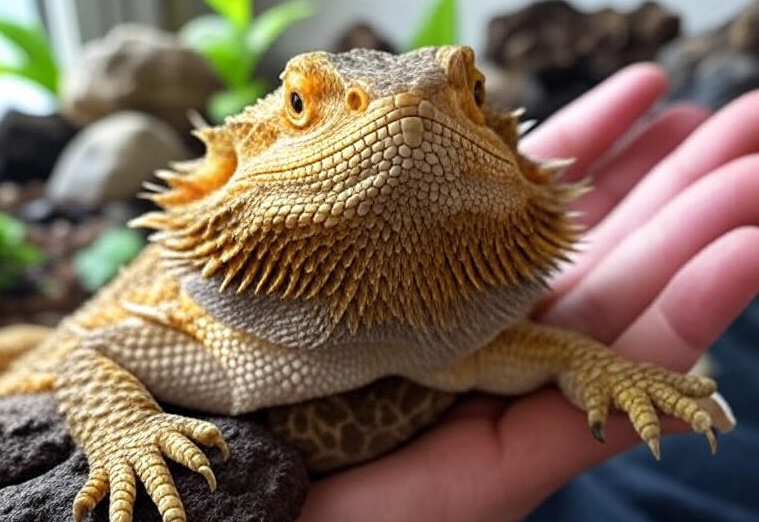
When your bearded dragon stops eating, it’s a signal that something might need a closer look—whether it’s stress, a health concern, or an environmental tweak. These desert-dwellers, known as Pogona vitticeps, rely on a mix of greens and insects to stay healthy, so a sudden loss of appetite can point to an issue worth addressing. As an owner, figuring out the cause early and making small adjustments can help bring their hunger back. Dr. Claire Morgan, a reptile veterinarian, suggests, “Appetite loss in bearded dragons often ties to fixable triggers with attentive care.” This guide explores why your dragon might be off their food, what it means, and practical steps to get them eating again.
Relocation Stress: Easing the Transition
A move to a new tank or home can unsettle your bearded dragon, leading to a temporary food refusal that might last 1-2 weeks. You might see them hiding or pacing the glass as they adapt. I noticed this with Blaze after a recent tank switch—he skipped meals for a few days.
- Gentle Approach: Limit handling to 5-10 minutes daily for the first two weeks and offer a cozy hide on the cool side (75-80°F) for comfort.
- Calm Setting: Place the tank in a quiet spot, away from loud noises, to help them settle.
- Familiar Favorites: Serve their usual foods—like collard greens or small crickets—in a shallow dish, wiggling insects with tongs to spark interest. A Zoo Med ReptiSun 10.0 UVB T5* can also support their well-being during this adjustment.
Improper Tank Conditions: Getting the Basics Right
If the tank’s temperature or lighting isn’t quite right, your dragon might lose their appetite. Basking spots below 95°F or above 110°F, or weak UVB, can make them sluggish, potentially leading to health issues. Blaze once stopped eating when his basking spot cooled down.
- Warmth and Balance: Aim for a basking area of 95-110°F (or 100-115°F for juveniles) and a cool side at 75-80°F, adjusting with a reliable heat source like an Exo Terra Basking Spot Lamp (75W)*.
- UVB Support: Ensure a UVB light is placed 6-12 inches from the basking spot with a 12-hour cycle to support vitamin D3 and appetite.
- Daily Checks: Use a thermometer and hygrometer to keep temperatures and 20-40% humidity steady for digestion. A Digital Thermometer with Probe* helps track this accurately. As an Amazon Associate, I earn from qualifying purchases.
Dietary Issues or Picky Eating: Spicing Things Up
A monotonous or unbalanced diet can turn your dragon picky, especially if they’re used to just one food like superworms. This might lead to deficiencies or digestive slowdowns over time. I adjusted Blaze’s meals after he ignored his usual fare.
- Mix It Up: Offer nutrient-rich greens (collard, dandelion, mustard) and gentle insects (dubia roaches, phoenix worms) in a safe dish, aiming for 50-70% greens for adults and 20-30% for juveniles.
- Boost Nutrition: Dust food with calcium 2-3 times weekly and multivitamins 1-2 times weekly to support their needs.
- Tempt Them: Wiggle insects with tongs or try a small piece of cucumber to draw their attention. A feeding plan tailored to their age can help, and the Bearded Dragon Feeding Calculator offers a handy guide.
Health Issues: When to Seek Help
Appetite loss can hint at health troubles like parasites, impaction, or infections, often with signs like weight loss or unusual stools. This is more common in rescues or dragons with past neglect. Blaze needed a vet visit after a tough spell.
- Expert Check: A reptile vet can run tests like fecal exams or X-rays, with treatments ranging from deworming to hydration support.
- Recovery Aid: Offer nutrient-rich food for weak dragons, as vets recommend, and ensure proper UVB to aid healing.
- Watch Closely: Look for sunken eyes or hard stools, suggesting dehydration or impaction, and seek vet guidance promptly. A Ceramic Socket Lamp Fixture* can ensure stable lighting during recovery.
Brumation: A Natural Pause
Adult bearded dragons may enter brumation—a hibernation-like state—during cooler months, eating less or not at all for weeks. You might find them resting more or hiding. Blaze does this every winter.
- Spot the Signs: Increased sleep or hiding in fall or winter, with nighttime temps at 65-75°F, points to brumation.
- Comfort Zone: Keep a hide available and offer water or small meals weekly—some dragons nibble occasionally.
- Vet Input: If it lasts over 2-3 months or weight drops sharply, consult a vet to rule out illness.
Simple Mistakes to Skip
- Pushing Food: Forcing meals can stress them more—offer it gently instead.
- Overlooking Basics: Skipped temperature or UVB checks can dull appetite—monitor regularly.
- Waiting Too Long: If eating doesn’t resume in 7-10 days, see a vet.
- One-Food Diet: Variety keeps them interested, guided by a tailored feeding plan.
Busting Appetite Myths
- Myth: They Can Fast Indefinitely. Reality: Brumation allows short breaks, but prolonged refusal needs vet attention.
- Myth: Tank Conditions Don’t Matter. Reality: Proper UVB and heat are essential for appetite.
- Myth: All Dragons Eat the Same. Reality: Preferences vary, and variety helps.
Conclusion
If your bearded dragon won’t eat, it could be due to relocation stress, tank issues, dietary habits, health problems, or brumation. Address these with a cozy hide for stress relief, stable conditions, and a tailored feeding plan. The Bearded Dragon Feeding Calculator and Bearded Dragon Care Checklist offer handy support. What’s your dragon’s eating challenge? Share in the comments!
About the Author
I’m Dragon King, founder of BeardedBuddies.com and a reptile enthusiast with over seven years raising bearded dragons. My dragon, Blaze, stopped eating after a move, but a cozy setup and adjusted care got him back to normal. I work with herpetologists to share practical, trustworthy advice based on experience and expert input for dragon owners worldwide.
BeardedBuddies.com collaborates with reptile experts to provide accurate, trustworthy care advice. This site participates in the Amazon Associates Program, earning from qualifying purchases.