
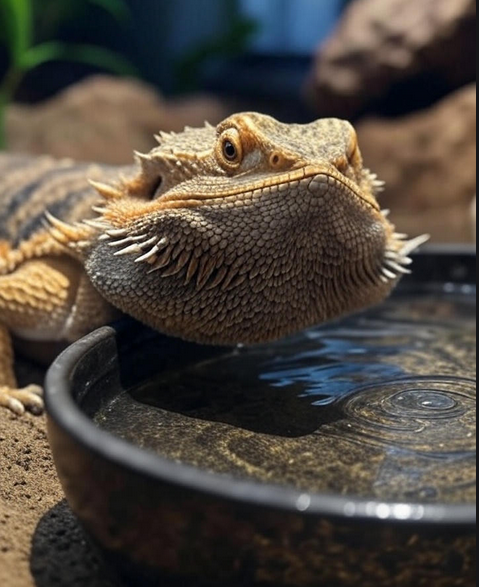
Bearded dragons bring joy to reptile lovers, but their care can spark questions, especially about hydration. As we head into the warm days, ensuring your dragon stays hydrated is more critical than ever. Do these desert-dwellers need a water bowl in their tank? It’s not a one-size-fits-all answer—while not always essential, a bowl can be a handy tool depending on your dragon’s habits. This guide explores how beardies stay hydrated, weighs the pros and cons of water bowls, offers alternative methods, shares practical tips, and answers common questions in a Q&A. Let’s keep your scaly friend thriving this summer!
How Bearded Dragons Stay Hydrated
Hailing from Australia’s arid regions, bearded dragons are pros at surviving with little water. In the wild, they sip dew, munch on moisture-rich insects like locusts, or nibble plants like prickly pear. In captivity, their diet—juicy crickets or veggies like watercress—covers most needs, with baths adding a hydration boost as they soak and occasionally drink.
Dehydration can creep in, showing as sunken eyes or a dull demeanor, especially in hotter months like now. Dr. Stephanie Nelk, a reptile veterinarian, notes that captive beardies thrive with varied hydration options tailored to their quirks. Feeling stretched thin with care duties? The Bearded Dragon Care Checklist from BeardedBuddies.com is a summer must. Owners praise its downloadable, age-specific plans, including hydration reminders—perfect for keeping your dragon on track during busy times.
Water Bowl: A Good Fit or Not?
A water bowl might seem like a no-brainer, but it’s not always ideal. Let’s break it down.
Pros: A bowl ensures water is always on hand, great for dragons that drink regularly. It’s an easy way to mimic nature’s water sources. As an Amazon Associate, I earn from qualifying purchases. The Fluker’s Repta-Bowl* is a standout—its spill-proof design is rare at this price, solving the frustration of tipped bowls for active dragons.
Cons: Bowls can raise humidity, risking respiratory issues or mold in poorly ventilated tanks. Juveniles might drown in deeper ones, and stagnant water breeds bacteria without daily cleaning. Many owners find their dragons do fine without, relying on other methods.
Here’s a quick comparison:
| Factor | Water Bowl | No Water Bowl |
|---|---|---|
| Water Supply | Always accessible | Depends on baths, food |
| Humidity | Potential increase | Lower risk |
| Safety | Safe with shallow bowls | No drowning concern |
| Maintenance | Daily cleaning needed | Minimal effort |
This table underscores why your dragon’s age and tank conditions are key.
Alternative Hydration Strategies
If a water bowl doesn’t suit your setup, alternatives shine. Weekly baths (two to three times) in shallow, warm water hydrate through skin absorption and encourage drinking—supervise to keep stress low. Dripping water on their nose with a dropper mimics rain, prompting some dragons to lap it up.
Diet is a powerhouse too. Serve water-rich veggies like romaine daily and gut-loaded insects. The Zoo Med Repti Calcium with D3 (48 oz)* boosts health by preventing bone issues, keeping your dragon active—owners swear by its reliability, making it a summer essential for worry-free care.
Building the Ideal Enclosure
For a water bowl, pick a shallow, stable option like the Exo Terra Water Dish*, which fits naturalistic setups and resists wear—a durability hard to find elsewhere. Place it on the cool side to curb humidity, especially relevant with July heat.
Monitor conditions with the Zoo Med Digital MIN MAX Thermometer*, a trusted tool to catch humidity spikes early. Pair it with the Bearded Dragon Enclosure Calculator on BeardedBuddies.com, which customizes enclosure size and hydration spots by age and length. Few tools offer such precise help, saving you from summer setup headaches.
Steering Clear of Hydration Mistakes
One slip-up is assuming a dragon ignoring its bowl is hydrated—some sip when you’re not around. Another is using deep bowls for juveniles, risking drowning. Stick to shallow dishes under an inch. Skipping daily cleaning lets bacteria thrive, a bigger issue in warm weather.
Tips: Use filtered water if chlorine is high, blend bowls with baths and diet, and check hydration weekly. If humidity climbs, ditch the bowl and lean on soaks and food—perfect for this time of year.
Q&A: Your Water Bowl Questions Answered
Q: My dragon skips the water bowl. Should I take it out?
A: If no dehydration signs (e.g., no sunken eyes) show and they get water from food or baths, you can remove it. Try nose-dripping water first to test interest.
Q: Can a bowl make my tank too humid in summer?
A: Yes, especially now. Use a shallow Exo Terra Water Dish* and track with a Zoo Med Digital MIN MAX Thermometer* to stay safe.
Q: How often should I clean the bowl?
A: Daily, to stop bacteria growth. Add “clean water dish” to your Bearded Dragon Care Checklist for an easy summer routine.
Q: Are there bowls that won’t tip?
A: Yes, the Fluker’s Repta-Bowl* stays put, even with a dragon that loves to roam—owners love its stability.
Conclusion
Do bearded dragons need a water bowl? Not always, but it can be a smart choice if you manage humidity and upkeep. Pair it with baths, a hydrated diet, and close monitoring to keep your dragon thriving, especially in July’s heat. Every beardie is unique, so watch their cues and adjust. Got a hydration hack for your dragon? Share it below—we’d love to learn! Staying on top ensures a happy, healthy pet.
About the Author
Dragon King here, founder of BeardedBuddies.com and a reptile enthusiast with over seven years raising bearded dragons. My five-year-old dragon, Blaze, enjoys his summer baths but turns up his nose at his water bowl—classic beardie! All advice comes from herpetologist consultations, like with Dr. Stephanie Nelk, and proven care practices. Join our community for more tips!
BeardedBuddies.com collaborates with reptile experts to provide accurate, trustworthy care advice. This site participates in the Amazon Associates Program, earning from qualifying purchases.