
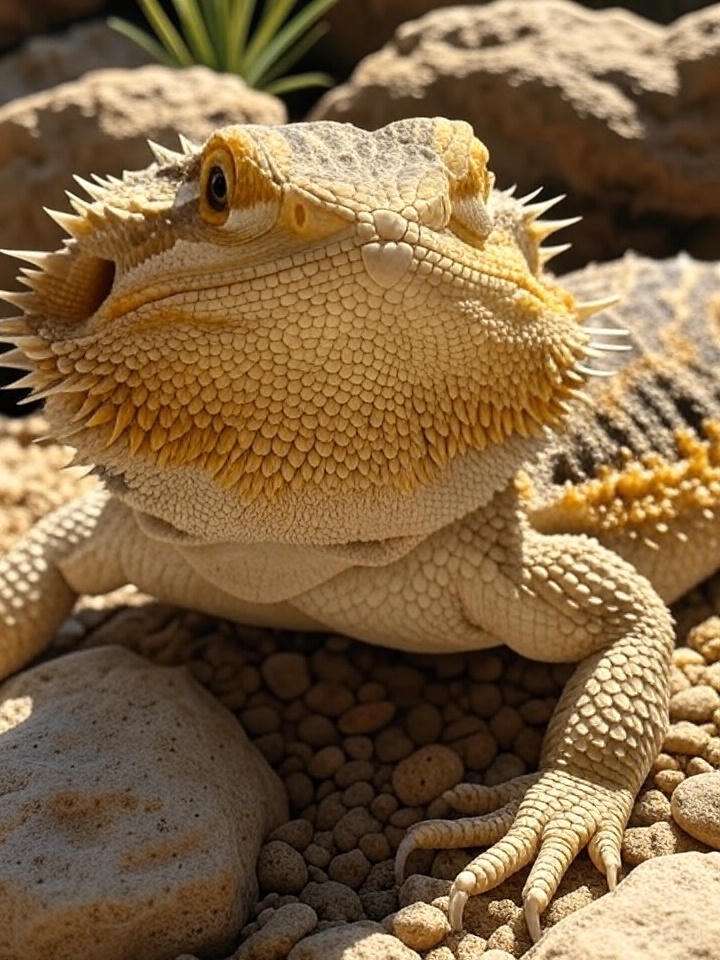
Bearded dragons are among the most popular pet reptiles, known for their docile nature and striking appearance. But did you know there are multiple species within the bearded dragon genus, each with unique traits and care needs? Understanding the differences between these species can help you choose the right dragon for your home or tailor care for the one you already have. In this guide, we’ll explore the various bearded dragon species, their characteristics, habitats, and care requirements. Whether you’re a new owner or a seasoned keeper, you’ll find insights to ensure your dragon thrives.
Understanding Bearded Dragon Species
Bearded dragons belong to the genus Pogona, with several species native to Australia. While Pogona vitticeps (Central Bearded Dragon) is the most common in the pet trade, other species like Pogona barbata and Pogona minor exist, each with distinct traits. Dr. Stephanie Nelk, a reptile veterinarian, notes, “Knowing your bearded dragon’s species is key to meeting their specific environmental and dietary needs.” By understanding these differences, you can provide optimal care tailored to your dragon’s natural instincts.
Common Bearded Dragon Species and Their Differences
Here’s a breakdown of the most notable bearded dragon species, their characteristics, and care considerations:
| Species | Size | Habitat | Temperament | Care Needs |
|---|---|---|---|---|
| Pogona vitticeps (Central Bearded Dragon) | 16-24 inches | Arid deserts, woodlands | Docile, social | Standard tank (40-75 gal), 95-110°F basking, varied diet |
| Pogona barbata (Eastern Bearded Dragon) | 20-24 inches | Coastal woodlands, forests | Less social, more skittish | Larger tank (50-100 gal), 90-100°F basking, more greens |
| Pogona minor (Dwarf Bearded Dragon) | 12-16 inches | Dry scrublands, rocky areas | Shy, less active | Smaller tank (20-40 gal), 95-105°F basking, fewer insects |
| Pogona henrylawsoni (Rankin’s Dragon) | 10-12 inches | Arid grasslands | Friendly, active | Compact tank (20-40 gal), 95-105°F basking, balanced diet |
As an Amazon Associate, I earn from qualifying purchases. Products like the Zoo Med ReptiSun UVB Bulb and Exo Terra Feeding Dish are essential for meeting the needs of any bearded dragon species.
Pogona vitticeps (Central Bearded Dragon)
- Traits: Most common in the pet trade, known for vibrant colors and morphs (e.g., hypo, leatherback). Medium to large size with a broad, triangular head.
- Habitat: Arid deserts and woodlands, requiring a spacious tank with a hot basking spot (95-110°F) and a cool side (75-80°F).
- Care: Needs a Zoo Med ReptiSun UVB Bulb for UVB exposure and a varied diet of insects and greens in an Exo Terra Feeding Dish. Docile, making them great for beginners.
- Temperament: Social and handleable, ideal for frequent interaction.
Pogona barbata (Eastern Bearded Dragon)
- Traits: Larger and more robust, with darker coloration and a fuller beard. Less common in captivity.
- Habitat: Coastal woodlands, needing slightly cooler basking temperatures (90-100°F) and more vegetation in the tank.
- Care: Requires a larger enclosure and more greens in the diet. Use a Fluker’s Digital Thermometer/Hygrometer to monitor conditions and a Rep-Cal Herptivite Multivitamin for nutrition.
- Temperament: Skittish and less suited for frequent handling.
Pogona minor (Dwarf Bearded Dragon)
- Traits: Smaller and more delicate, with a slender build. Rare in the pet trade.
- Habitat: Dry scrublands, needing a smaller tank with stable temperatures (95-105°F basking).
- Care: Benefits from a cozy hide like the Exo Terra Cocount Cave and a diet with fewer insects. Monitor with a Fluker’s Digital Thermometer/Hygrometer.
- Temperament: Shy and less active, preferring a low-stress environment.
Pogona henrylawsoni (Rankin’s Dragon)
- Traits: Smallest species, with a compact body and vibrant patterns. Gaining popularity in captivity.
- Habitat: Arid grasslands, requiring a smaller tank with balanced temperatures (95-105°F basking).
- Care: Similar to P. vitticeps but needs less space. Use an Exo Terra Feeding Dish for balanced meals and a Zoo Med ReptiSun UVB Bulb for health.
- Temperament: Friendly and active, great for small spaces.
For a tailored setup for your dragon’s species, try the Bearded Dragon Enclosure Calculator. Owners love this tool for generating species-specific enclosure recommendations.
Dietary Differences Across Species
Dietary needs vary slightly by species:
- P. vitticeps: Balanced diet of 50% greens (collards, dandelion) and 50% insects (crickets, dubia roaches) for adults, more insects for juveniles. Use Rep-Cal Herptivite Multivitamin 1-2 times weekly.
- P. barbata: Prefers more greens (60-70%) due to its woodland habitat. Offer in an Exo Terra Feeding Dish.
- P. minor: Fewer insects (30-40%) to match lower activity levels. Soft greens are ideal.
- P. henrylawsoni: Similar to P. vitticeps but smaller portions due to size. Use the Bearded Dragon Feeding Calculator for precise portions.
Environmental and Care Considerations
Each species has unique care needs:
- Tank Size: P. barbata needs larger tanks (50-100 gallons), while P. minor and P. henrylawsoni thrive in 20-40 gallons. P. vitticeps requires 40-75 gallons.
- Temperature: Monitor with a Fluker’s Digital Thermometer/Hygrometer. P. barbata prefers slightly cooler basking (90-100°F), while others need 95-110°F.
- Hides and Enrichment: All species benefit from a hide like the Exo Terra Cocount Cave for security, but P. minor needs more to reduce stress.
- UVB Lighting: A Zoo Med ReptiSun UVB Bulb is essential for all species to support vitamin D3 synthesis.
The Bearded Dragon Care Checklist helps track species-specific tasks, ensuring your dragon’s needs are met.
Common Myths About Bearded Dragon Species
Let’s debunk some misconceptions:
- Myth: “All bearded dragons have the same care needs.” Fact: Species like P. barbata need more greens and cooler temperatures than P. vitticeps.
- Myth: “Smaller species are easier to care for.” Fact: P. minor and P. henrylawsoni require precise conditions due to their delicate nature.
- Myth: “UVB isn’t necessary for all species.” Fact: Every species needs a Zoo Med ReptiSun UVB Bulb for health.
Conclusion
Understanding the differences between bearded dragon species helps you provide tailored care that matches their natural habits. Whether you have a social Pogona vitticeps or a shy Pogona minor, using products like the Zoo Med ReptiSun UVB Bulb, Exo Terra Cocount Cave, and Fluker’s Digital Thermometer/Hygrometer ensures their needs are met. Tools like the Bearded Dragon Enclosure Calculator and Bearded Dragon Feeding Calculator simplify care. Which species is your dragon, and how do you care for them? Share in the comments!
About the Author
I’m Dragon King, founder of BeardedBuddies.com and a reptile enthusiast with over seven years raising bearded dragons. My Pogona vitticeps, Blaze, thrives with a setup tailored using the Fluker’s Digital Thermometer/Hygrometer and Bearded Dragon Enclosure Calculator. I collaborate with herpetologists to share practical, trustworthy advice for dragon owners worldwide. All my tips are based on consultations with reptile experts and standard care practices.
BeardedBuddies.com collaborates with reptile experts to provide accurate, trustworthy care advice. This site participates in the Amazon Associates Program, earning from qualifying purchases.