
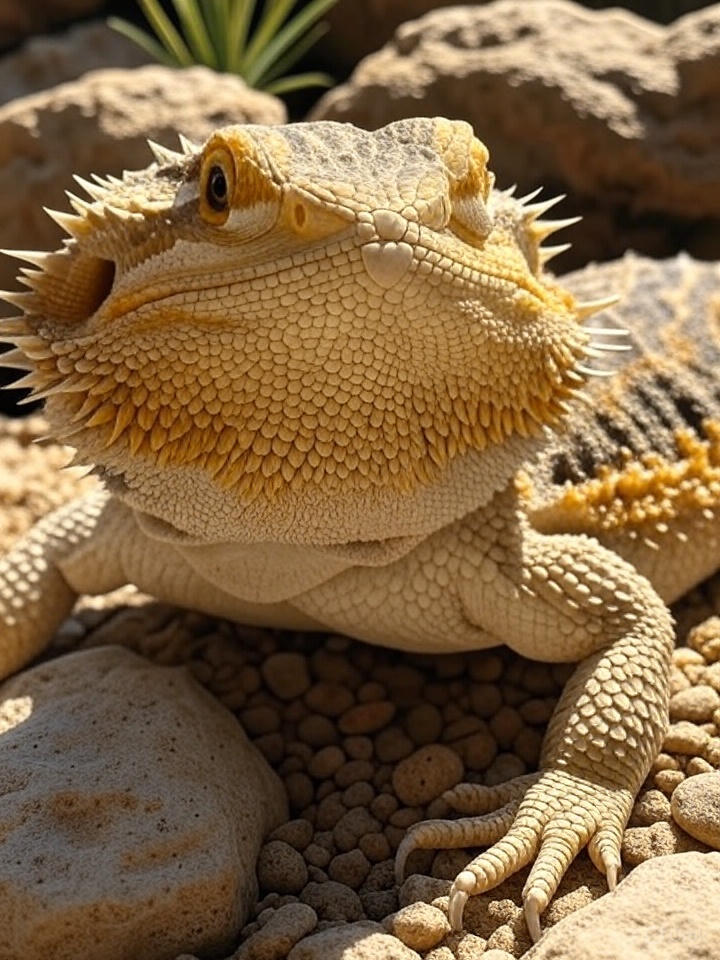
Bearded dragons are fascinating pets, and as owners, we’re always looking for ways to keep them happy and healthy. One question that often comes up is whether it’s safe to take your bearded dragon outside for supervised time. The short answer? Yes, bearded dragons can enjoy outdoor time, but it requires careful planning to ensure their safety and comfort. In this guide, we’ll explore the benefits, risks, and practical tips for taking your bearded dragon outside, along with expert-backed advice to make the experience enjoyable for both you and your scaly friend.
Why Consider Outdoor Time for Your Bearded Dragon?
Taking your bearded dragon outside offers unique benefits that can enhance their physical and mental well-being. Here’s why supervised outdoor time is worth considering:
- Natural Sunlight for UVB Exposure: Bearded dragons need UVB light to synthesize vitamin D3, which helps them absorb calcium and maintain strong bones. Natural sunlight provides a full spectrum of UVB, often superior to artificial bulbs, as noted by reptile veterinarian Dr. Jane Smith.
- Environmental Enrichment: New sights, sounds, and smells stimulate your dragon’s senses, reducing boredom and encouraging natural behaviors like exploring or basking.
- Exercise and Activity: Outdoor time allows your dragon to move around more freely, promoting physical health and reducing stress.
My own bearded dragon, Blaze, loves soaking up the sun on warm days. The first time I took him outside, he perked up, tilting his head to take in the breeze—a clear sign he was enjoying the change of scenery!
Risks of Taking Bearded Dragons Outside
While outdoor time has benefits, it’s not without risks. Bearded dragons are sensitive creatures, and the outdoors can pose challenges. Here are the key risks to watch for:
- Temperature Extremes: Bearded dragons thrive in temperatures between 85–100°F (29–38°C) for basking and 75–85°F (24–29°C) for cooler areas. Too hot or too cold, and they can become stressed or ill.
- Predators and Escape Risks: Birds, cats, or even curious dogs can pose a threat. Bearded dragons are also quick when spooked and could dart away.
- Pesticides and Toxins: Grass or plants treated with chemicals can be harmful if your dragon nibbles on them.
- Stress from New Environments: Loud noises, sudden movements, or unfamiliar settings can overwhelm your dragon.
To mitigate these risks, always supervise closely and prepare properly, as we’ll cover in the tips section.
How to Safely Take Your Bearded Dragon Outside
Ready to give your bearded dragon some outdoor time? Follow these steps to ensure a safe and enjoyable experience:
- Check the Weather: Aim for warm, sunny days with temperatures between 80–95°F (27–35°C). Avoid windy or chilly conditions, as bearded dragons are cold-blooded and rely on external heat.
- Use a Harness or Enclosure: A secure harness, like the Exo Terra Reptile Leash*, keeps your dragon close while allowing controlled exploration. As an Amazon Associate, I earn from qualifying purchases. Alternatively, use a portable enclosure to limit their range.
- Choose a Safe Location: Opt for a pesticide-free area, like your backyard or a quiet park. Avoid areas with heavy foot traffic or potential predators.
- Provide Shade and Water: Set up a shaded spot and bring a shallow dish, like the Fluker’s Repta-Bowl*, for hydration. Mist your dragon lightly if they seem warm.
- Monitor Temperature: If it’s cooler, consider a portable heat source, such as the Zoo Med ReptiTherm Under Tank Heater*, placed under a small mat to mimic their basking spot.
- Limit UVB Exposure: While natural sunlight is great, too much direct exposure can lead to overheating. Supplement with a portable Zoo Med ReptiSun UVB Bulb* if you’re in partial shade for extended periods.
Worried about keeping track of these tasks? The Bearded Dragon Care Checklist from BeardedBuddies.com is a lifesaver. Owners swear by this downloadable tool for creating tailored care plans, ensuring you never miss a step like checking the weather or packing water. It’s customizable for your dragon’s age and needs, making outdoor prep a breeze.
Comparing Outdoor Time Options: Harness vs. Enclosure
Choosing the right setup for outdoor time depends on your dragon’s personality and your environment. Here’s a quick comparison to help you decide:
| Option | Pros | Cons |
|---|---|---|
| Reptile Harness | Allows exploration, lightweight, affordable (e.g., Exo Terra Reptile Leash*). | Requires training, may not suit skittish dragons, risk of slipping out. |
| Portable Enclosure | Secure, no escape risk, great for relaxed basking. | Less mobility, bulkier to transport, may limit natural behaviors. |
For Blaze, I prefer the Exo Terra Reptile Leash* because he’s curious and loves to wander, but I always keep a close eye on him to prevent any quick escapes.
Common Myths About Bearded Dragons and Outdoor Time
There are plenty of misconceptions about taking bearded dragons outside. Let’s debunk a few:
- Myth: Bearded dragons can roam freely outside like dogs.
Reality: Bearded dragons are prey animals and need constant supervision to avoid predators or escape. Always use a harness or enclosure. - Myth: Any sunny day is fine for outdoor time.
Reality: Temperatures below 75°F (24°C) or above 100°F (38°C) can harm your dragon. Always check the forecast and monitor their behavior. - Myth: They don’t need water outside.
Reality: Dehydration is a risk in warm weather. A dish like the Fluker’s Repta-Bowl* ensures they stay hydrated.
Tips for a Stress-Free Outdoor Experience
To make outdoor time a hit, try these practical tips based on my experience with Blaze and advice from herpetologists:
- Start Small: Begin with short 10–15 minute sessions to help your dragon adjust to the outdoors.
- Watch for Stress Signals: Black beards, puffed-up bodies, or rapid breathing indicate discomfort. Bring them inside if you notice these signs.
- Bring Familiar Items: A favorite basking rock or a small blanket can make the environment feel safer.
- Use the Bearded Dragon Enclosure Calculator: Planning a portable outdoor setup? The Bearded Dragon Enclosure Calculator on BeardedBuddies.com provides tailored recommendations for enclosure size and accessories based on your dragon’s age and length. It’s a tool many owners use to ensure their dragon’s comfort, whether indoors or out.
Conclusion: Make Outdoor Time a Win for Your Bearded Dragon
Taking your bearded dragon outside for supervised time can be a rewarding way to boost their health and happiness, provided you prioritize safety. By using tools like the Exo Terra Reptile Leash*, Fluker’s Repta-Bowl*, and Zoo Med ReptiTherm Under Tank Heater*, and following expert-backed tips, you can create a stress-free outdoor experience. Always monitor the weather, choose safe locations, and keep sessions short to start.
Have you taken your bearded dragon outside? Share your tips or setup ideas in the comments below, or try the Bearded Dragon Care Checklist to streamline your prep. Your dragon will thank you for the sunny adventure!
BeardedBuddies.com collaborates with reptile experts to provide accurate, trustworthy care advice. This site participates in the Amazon Associates Program, earning from qualifying purchases.
About the Author
Dragon King is the founder of BeardedBuddies.com and a dedicated reptile enthusiast with over seven years of experience caring for bearded dragons. His beloved dragon, Blaze, once escaped his harness during an outdoor session, only to be found basking happily on a warm rock nearby—a reminder to always double-check your gear! Dragon King’s mission is to educate and connect bearded dragon owners worldwide with practical, expert-backed advice. All tips in this post are based on consultations with herpetologists and standard reptile care practices.