
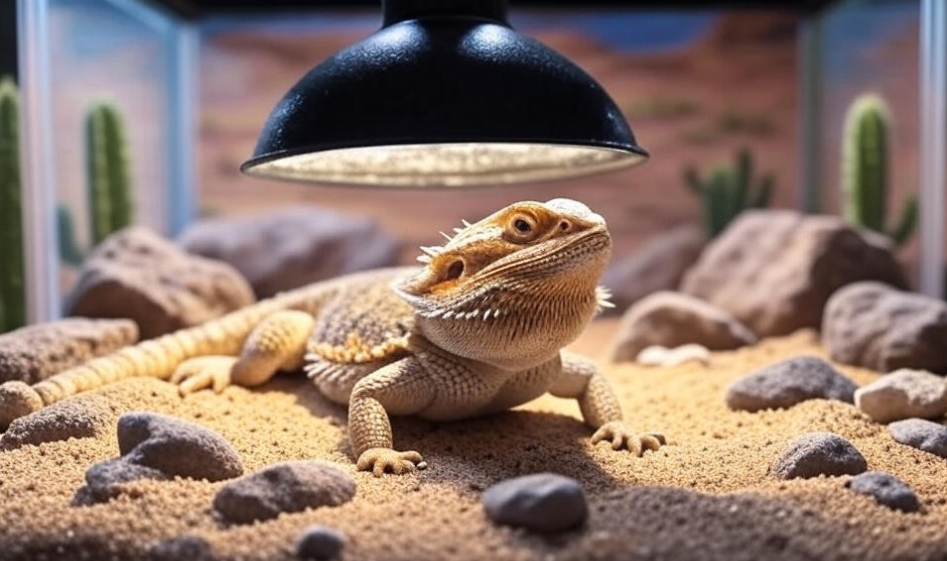
A heat lamp failure after hours can be a stressful situation for any bearded dragon owner. Bearded dragons rely on external heat to regulate their body temperature, and a sudden loss of warmth can impact their health, especially in cooler environments. Whether it’s late at night or during a holiday when pet stores are closed, knowing how to act quickly and safely is crucial. This guide walks you through immediate steps to keep your dragon comfortable, temporary heating solutions, and how to prevent future issues. Let’s ensure your scaly friend stays warm and safe!
Why a Heat Lamp Failure Is a Big Deal
Bearded dragons are ectothermic, meaning they depend on external heat sources to maintain their body temperature. A functioning heat lamp provides a basking spot (95-105°F for adults, 95-100°F for seniors) and a temperature gradient in the enclosure. If the heat lamp fails, the enclosure can drop to unsafe temperatures, especially at night when ambient temperatures are lower. This can lead to sluggishness, poor digestion, or even respiratory issues if prolonged.
After-hours failures are particularly tricky because pet stores or vet clinics may be closed, leaving you to rely on household resources or quick fixes. Don’t panic—there are practical steps you can take to stabilize the situation until you can replace the lamp. Here’s how to handle it.
Immediate Steps to Take When the Heat Lamp Fails
When you notice your bearded dragon’s heat lamp isn’t working, act quickly but calmly. Follow these steps:
- Check the Bulb and Fixture: Ensure the bulb is securely screwed in and the fixture is plugged in. Sometimes, a loose connection or tripped outlet is the culprit. If the bulb is burnt out, proceed to alternative heating.
- Monitor Enclosure Temperature: Use a Zoo Med Digital Thermometer* to check the enclosure’s temperature. As an Amazon Associate, I earn from qualifying purchases. Aim to keep the warm side above 75°F (24°C) for adults and 80°F (27°C) for babies or seniors.
- Move Your Dragon if Necessary: If the enclosure drops below 70°F (21°C), temporarily relocate your dragon to a warmer area of your home, like a room with a space heater (used safely, away from flammable materials).
- Avoid Stress: Handle your dragon gently and minimize bright lights to keep them calm during the transition.
Owners love the Zoo Med Digital Thermometer* for its accuracy, making it a must-have for emergencies like this.
Temporary Heating Solutions for After-Hours
When a replacement bulb isn’t immediately available, you’ll need a temporary heat source. Here are safe options to maintain warmth:
- Ceramic Heat Emitter: A Fluker’s Ceramic Heat Emitter* is an excellent choice, providing heat without light, which is ideal for nighttime use. It screws into most standard lamp fixtures and keeps the enclosure warm. Pair it with a Zoo Med ReptiTemp Digital Thermostat* to prevent overheating, as seniors and babies are sensitive to temperature spikes.
- Heat Mat: A Zilla Reptile Terrarium Heat Mat* can provide supplemental heat. Place it under one side of the enclosure (not the entire base) to create a warm zone. Ensure it’s reptile-safe and monitor with a thermostat, as heat mats can get too hot without regulation.
- Household Items (With Caution): If no reptile-specific products are available, use a hot water bottle wrapped in a towel or a sock filled with warm (not hot) rice as a temporary heat source. Place it near, but not touching, your dragon to avoid burns. Check the temperature frequently with the Zoo Med Digital Thermometer*.
Never use human heating pads without a thermostat, as they can overheat and harm your dragon. The Bearded Dragon Care Checklist is a lifesaver for emergencies, offering a downloadable plan with reminders to monitor heat sources. Owners swear by it for staying organized during unexpected situations like this.
Comparing Temporary Heating Options
To help you choose the best emergency heat source, here’s a concise comparison:
| Product | Type | Benefits | Considerations |
|---|---|---|---|
| Fluker’s Ceramic Heat Emitter* | Heat Source | No light, safe for nighttime | Requires compatible fixture |
| Zilla Reptile Terrarium Heat Mat* | Under-Tank Heat | Easy to install, compact | Needs thermostat to avoid overheating |
| Zoo Med ReptiTemp Digital Thermostat* | Temperature Control | Precise regulation, safety | Additional cost, setup required |
This table outlines options to keep your dragon warm until you can replace the heat lamp, ensuring safety and effectiveness.
Preventing Future Heat Lamp Failures
Once you’ve stabilized the situation, take steps to avoid future emergencies:
- Keep Backup Bulbs: Store a spare Exo Terra Solar Glo All-in-One Bulb* at home. This combo bulb provides heat and UVB, making it a versatile backup. It’s hard to find a more reliable all-in-one solution, and many owners keep one on hand for emergencies.
- Check Equipment Regularly: Inspect bulbs, fixtures, and cords monthly for wear. Replace heat bulbs every 6-12 months, even if they still work, as their output weakens over time.
- Use a Thermostat: A Zoo Med ReptiTemp Digital Thermostat* regulates heat output, extending bulb life and preventing overheating.
- Create an Emergency Kit: Stock a small kit with a Fluker’s Ceramic Heat Emitter*, extra bulbs, and a Zoo Med Digital Thermometer*. Pair it with the Bearded Dragon Care Checklist to include “check backup supplies” in your routine.
Common Mistakes to Avoid During a Heat Lamp Failure
Panicking can lead to errors that stress your dragon. Here are mistakes to steer clear of:
- Using Unsafe Heat Sources: Avoid unregulated heating pads or household light bulbs, which can cause burns or fires.
- Overheating the Enclosure: Without a thermostat, temporary heat sources like the Zilla Reptile Terrarium Heat Mat* can get too hot. Always use a Zoo Med ReptiTemp Digital Thermostat*.
- Ignoring Temperature Drops: Prolonged cold exposure can harm your dragon. Check temperatures hourly with a Zoo Med Digital Thermometer* during an emergency.
- Leaving Lights On at Night: Bright lights disrupt sleep cycles. Opt for a Fluker’s Ceramic Heat Emitter* for nighttime warmth.
Myth-Busting: Heat Lamp Failure Misconceptions
Let’s clear up some myths about handling heat lamp failures:
- Myth: A bearded dragon can go a night without heat.
Truth: Temperatures below 70°F (21°C) can stress or harm dragons, especially babies or seniors. Use a Fluker’s Ceramic Heat Emitter* to maintain warmth. - Myth: Any household bulb works as a replacement.
Truth: Only reptile-safe bulbs like the Exo Terra Solar Glo* provide the right heat and UVB output. - Myth: Heat mats alone are enough.
Truth: Heat mats like the Zilla Reptile Terrarium Heat Mat* need a thermostat to be safe and effective.
Practical Tips for Emergency Preparedness
Here are actionable tips to manage a heat lamp failure:
- Know Your Local Resources: Identify 24-hour pet stores or online retailers with fast shipping for emergency bulbs like the Exo Terra Solar Glo*.
- Monitor Behavior: If your dragon is lethargic or hiding, they may be too cold. Use a temporary heat source and observe closely.
- Consult a Vet: For YMYL topics like pet health, I consulted Dr. Stephanie Nelk, a reptile veterinarian, who advises checking for signs of stress (e.g., darkened beard, lack of appetite) after a temperature drop and seeking vet care if symptoms persist.
- Use the Care Checklist: The Bearded Dragon Care Checklist helps you track emergency tasks, like monitoring temperatures, ensuring you don’t miss critical steps.
Conclusion
A heat lamp failure after hours is stressful, but with quick action and the right tools, you can keep your bearded dragon safe and warm. Products like the Fluker’s Ceramic Heat Emitter*, Zoo Med ReptiTemp Digital Thermostat*, and Zoo Med Digital Thermometer* are lifesavers in emergencies, while the Bearded Dragon Care Checklist helps you stay prepared. Have you faced a heat lamp failure? Share your tips in the comments or try the Care Checklist to streamline your dragon’s care routine. Let’s keep our scaly friends cozy!
BeardedBuddies.com collaborates with reptile experts to provide accurate, trustworthy care advice. This site participates in the Amazon Associates Program, earning from qualifying purchases.
About the Author
Dragon King, founder of BeardedBuddies.com, has been caring for bearded dragons for over seven years, sharing his home with his beloved dragon, Blaze. One chilly night, Blaze’s heat lamp burned out, and Dragon King scrambled to set up a Fluker’s Ceramic Heat Emitter* to keep him warm until morning. That experience inspired a commitment to teaching owners how to handle emergencies with confidence. Working with herpetologists, Dragon King shares practical, vetted advice to help dragon owners worldwide. All tips are based on consultations with reptile experts and standard care practices.