
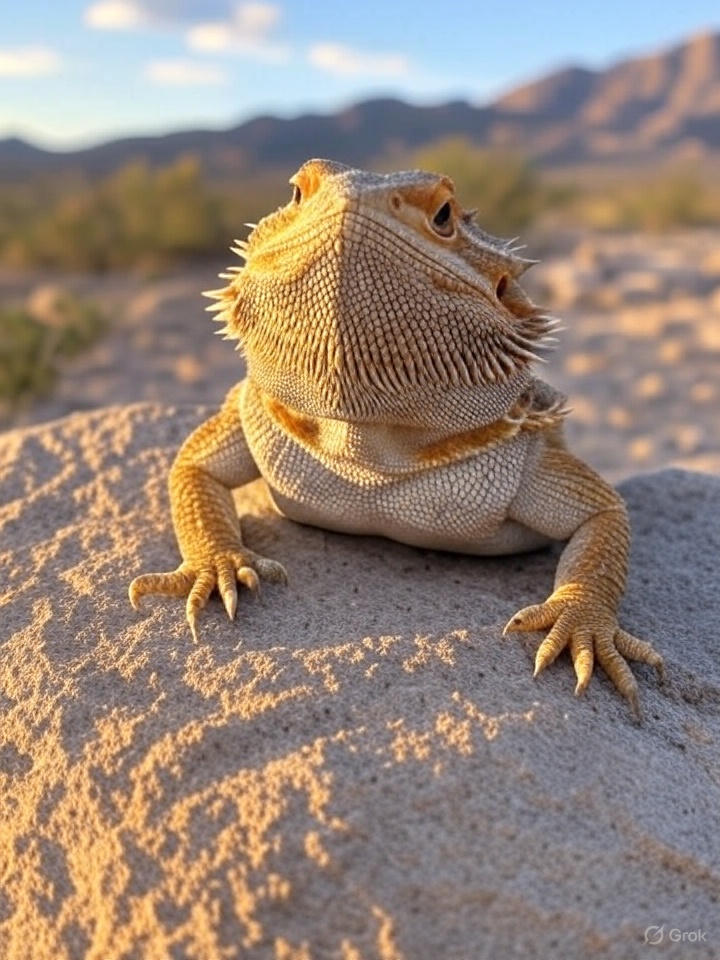
Bearded dragons are expressive creatures, and their head bobbing is one of the most intriguing behaviors you’ll notice. Whether it’s a slow nod or a rapid shake, head bobbing is a key part of their communication. But what exactly are they saying? Understanding this behavior helps you connect with your dragon and ensure their well-being. In this guide, we’ll explore the meanings behind head bobbing, its triggers, and how to respond to keep your pet happy. Let’s decode your dragon’s quirky signals.
What Is Head Bobbing in Bearded Dragons?
Head bobbing is when a bearded dragon rhythmically moves its head up and down, ranging from slow, deliberate nods to fast, jerky motions. This behavior is a form of communication rooted in their instincts as agamid lizards. It’s often seen in social or environmental contexts, like asserting dominance or reacting to stimuli. Observing your dragon in a comfortable setup with a Zoo Med Repti Hammock* can help you spot these behaviors clearly. As an Amazon Associate, I earn from qualifying purchases.
Head bobbing varies by context, speed, and the dragon’s age or sex. Males tend to bob more frequently, especially during breeding season, while females may respond with subtler gestures like arm waving.
Meanings Behind Head Bobbing
Head bobbing serves multiple purposes. Here are the main reasons your dragon might be bobbing:
- Dominance or Territory: Males often bob rapidly to assert dominance over other dragons, tank mates, or even their reflection in glass. This is common in multi-dragon setups or when they see their own image.
- Courtship: During breeding season, males bob to attract females, often paired with beard puffing. Females may respond with slow bobs or arm waves to show receptiveness.
- Stress or Agitation: Fast, erratic bobbing can signal discomfort from improper lighting, temperature, or handling. Check conditions with an Exo Terra Digital Thermometer*.
- Exploration or Curiosity: Slow, deliberate bobbing may indicate interest in new objects, like a new toy or tank decor.
- Submission: Younger dragons or females may bob slowly to acknowledge a dominant dragon, often paired with arm waving.
The Bearded Dragon Care Checklist helps you track environmental factors that influence behavior. Owners love this tool for creating tailored plans to reduce stress-related bobbing, customized for your dragon’s age and needs.
Triggers of Head Bobbing
Understanding what prompts head bobbing helps you respond appropriately. Common triggers include:
| Trigger | Description | Solution |
|---|---|---|
| Reflections | Dragons mistake glass reflections for rivals. | Cover tank sides or use non-reflective backgrounds. |
| Tank Mates | Multiple dragons can spark territorial bobbing. | House dragons separately to reduce stress. |
| Improper Environment | Poor UVB or temperature causes stress. Use a Zoo Med ReptiSun UVB Bulb*. | Maintain 95-100°F basking, 75-85°F cool side with an Exo Terra Digital Thermometer*. |
| Diet Issues | Hunger or poor nutrition can increase agitation. | Feed a balanced diet in a Fluker’s Repta-Bowl*. |
| Breeding Season | Hormonal surges in spring trigger bobbing. | Monitor behavior and avoid overhandling. |
My dragon, Blaze, once bobbed furiously at his reflection until I added a tank background. A comfy Zoo Med Repti Hammock* gave him a calm perch to relax.
How to Respond to Head Bobbing
Your response depends on the cause:
- Dominance/Territory: Remove reflective surfaces or separate tank mates. Provide a spacious tank (40 gallons minimum for adults) to reduce territorial stress.
- Courtship: Normal during breeding season, but monitor for aggression. Ensure females aren’t stressed by excessive male attention.
- Stress: Check UVB with a Zoo Med ReptiSun UVB Bulb, temperature with an Exo Terra Digital Thermometer, and diet in a Fluker’s Repta-Bowl*. Limit handling to 10-15 minutes daily.
- Curiosity: Introduce new enrichment slowly, like a Zoo Med Repti Hammock*, to encourage exploration without overwhelm.
- Health Check: Persistent, erratic bobbing may signal health issues. Consult a reptile vet like Dr. Stephanie Nelk to rule out parasites or stress-related conditions.
When Head Bobbing Is a Concern
While often normal, excessive or unusual bobbing warrants attention:
- Frequent Bobbing with Stress Signs: Glass surfing, hiding, or appetite loss suggests environmental issues. Recheck lighting and temperature.
- Aggression with Tank Mates: Bobbing paired with biting or chasing requires immediate separation.
- Health Symptoms: Bobbing with lethargy, weight loss, or abnormal stools needs a vet visit.
Regular use of the Bearded Dragon Care Checklist ensures you catch triggers early, keeping your dragon’s behavior in check.
Myths About Head Bobbing
- Myth: Head bobbing always means aggression.
Truth: It can also signal curiosity or courtship. Context matters. - Myth: Only males bob their heads.
Truth: Females and juveniles bob too, often for submission or communication. - Myth: Bobbing stops on its own.
Truth: Stress-related bobbing requires environmental fixes.
Conclusion: Decode Your Dragon’s Bobbing
Head bobbing is your bearded dragon’s way of speaking, from asserting dominance to showing curiosity. By addressing triggers like reflections or poor lighting with tools like the Zoo Med ReptiSun UVB Bulb* and Exo Terra Digital Thermometer*, you can keep your dragon calm. The Bearded Dragon Care Checklist simplifies tracking these factors. What’s your dragon’s bobbing style? Share in the comments—I’d love to hear about your scaly communicator!
BeardedBuddies.com collaborates with reptile experts to provide accurate, trustworthy care advice. This site participates in the Amazon Associates Program, earning from qualifying purchases.
About the Author
Dragon King, founder of BeardedBuddies.com, has raised bearded dragons for over seven years. His dragon, Blaze, loves to bob his head at new tank decor, teaching Dragon King to read his signals. Partnering with experts like Dr. Stephanie Nelk, a reptile veterinarian, he shares practical tips to decode dragon behavior. All advice is based on consultations with herpetologists and standard reptile care practices.