
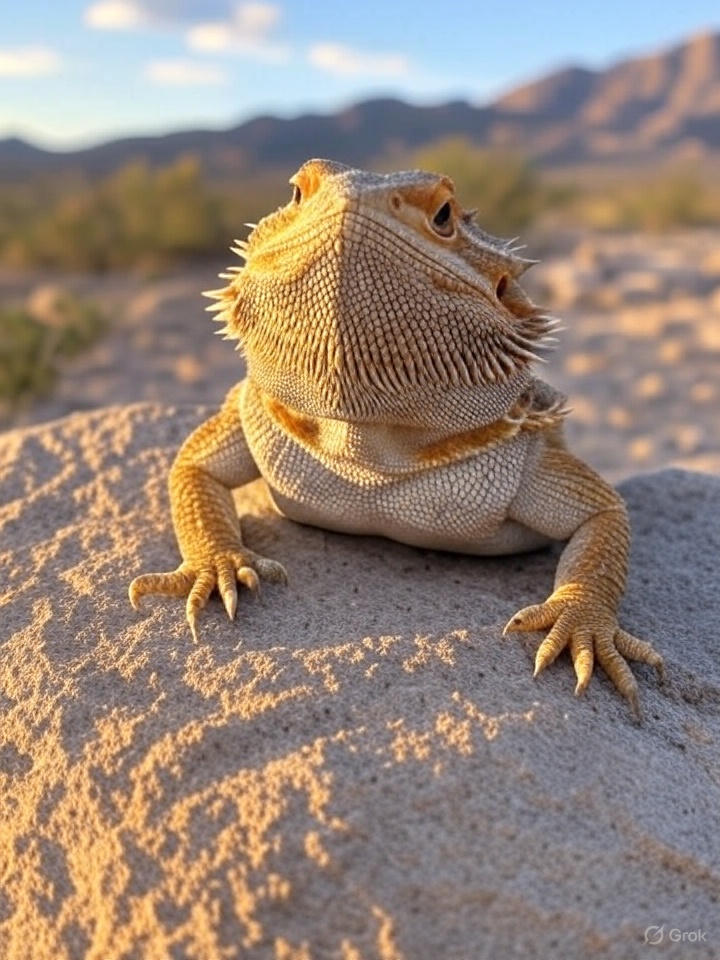
Bearded dragons light up any reptile lover’s life with their spunky personalities, but feeding them right is key to keeping them healthy and vibrant. Insects are the rock stars of their diet, delivering protein and nutrients that mimic their wild feasts in Australia’s outback. Not every bug makes the cut, though—some are nutritional powerhouses, while others are better as occasional treats or off the menu entirely. This guide breaks down the top insects for your bearded dragon, their benefits, risks to avoid, and practical feeding tips. Whether you’re a new owner or tweaking your dragon’s diet, this post will help you build a bug lineup that keeps your pet thriving.
Why Insects Are Essential for Bearded Dragons
In the wild, bearded dragons hunt insects for protein, fats, and minerals, making bugs a cornerstone of their diet. For baby and juvenile dragons, insects can account for 70-80% of meals to support rapid growth, while adults shift to 20-30%, balancing with greens to avoid obesity. Skimping on quality insects can lead to problems like metabolic bone disease from low calcium or weak growth from poor protein.
The best bugs offer high protein for muscle development, moderate fats for energy, and calcium for strong bones. Variety prevents boredom and ensures a broad nutrient profile, but staples should be easy to digest and safe for daily use. Gut-loading—feeding bugs nutrient-rich foods before offering them to your dragon—boosts their value, as does dusting with supplements. Reptile experts stress that a solid insect rotation is non-negotiable for long-term health.
Top Staple Insects for Daily Feeding
Three insects stand out as VIPs for regular feeding due to their balanced nutrition and availability. These should form the backbone of your dragon’s bug diet, offered 3-5 times a week based on age.
Dubia Roaches are a favorite for their high protein (21-30%), low fat (7-10%), and decent calcium-to-phosphorus ratio, which supports bone health without overloading phosphorus that can hinder calcium absorption. Their soft exoskeleton reduces impaction risks, and dragons go crazy for their movement. They’re also less noisy and smelly than other options, making them owner-friendly.
Crickets are a classic choice, delivering 18-22% protein and encouraging natural hunting behavior, which keeps dragons active. They’re affordable but need careful sourcing to avoid parasites and should be gut-loaded with calcium-rich foods to maximize benefits.
Black Soldier Fly Larvae (BSFL), often called calci-worms, shine with a calcium content of over 9000 mg/kg, reducing the need for heavy dusting. With 17-18% protein and moderate fat, they’re a solid staple for all ages, especially for boosting calcium intake.
Rotate these staples to keep meals engaging and nutritionally diverse. Always buy from trusted suppliers to ensure quality.
Comparing the Nutritional Heavyweights
To help you choose, here’s a breakdown of the top staples based on data from reptile care resources like ReptiFiles and ABDragons. Values vary slightly by bug size and diet, but this table gives a clear snapshot.
| Insect | Protein (%) | Fat (%) | Calcium (mg/kg) | Best For |
|---|---|---|---|---|
| Dubia Roaches | 21-30 | 7-10 | 700-800 | Balanced daily feeding, easy digestion |
| Crickets | 18-22 | 6-9 | 300-400 | Hunting stimulation, budget-friendly |
| Black Soldier Fly Larvae | 17-18 | 14-16 | 9000+ | High calcium, low-dust option |
Dubias lead in protein, while BSFL excel in calcium. Dust with supplements to balance phosphorus, and ensure bugs are no larger than the space between your dragon’s eyes to prevent choking.
Treat Insects: Use Sparingly for Variety
Treat insects add excitement and specific nutrients but should be limited to 1-2 times a week to avoid health issues like obesity. Hornworms are hydration champs with 85% moisture and decent protein, ideal for dehydrated dragons or during shedding, but their high water content makes them unsuitable as staples. Waxworms and superworms, with 20-25% fat, work for underweight dragons or as rewards, but overfeeding risks liver strain. Mealworms are similar but have tough chitin that can cause impaction if overdone. Silkworms offer high protein and low fat but are pricier and less common, making them a premium treat.
Feed treats in small portions—5-10 per session for adults—and pair with staples to maintain balance.
Insects to Avoid: The Danger Zone
Some bugs are outright risky. Fireflies contain lucibufagins, toxic compounds that can cause heart failure in small doses. Wild-caught insects often carry pesticides, parasites, or diseases, so always opt for captive-bred feeders. Box elder bugs, Asian lady beetles, and centipedes have irritants or toxins that upset digestion, while stinging insects like bees or wasps are obvious no-gos. Ticks and spiders can transmit illnesses, and high-fat bugs like butterworms should be rare treats. When in doubt, consult a vet to keep your dragon safe.
Feeding Tips for Maximum Nutrition
Make insects work harder for your dragon with these practical steps:
- Gut-Load: Feed bugs nutrient-dense foods like fresh greens or the Fluker’s Orange Cube Complete Cricket Diet* 24-48 hours before offering them to transfer vitamins.
- Dust with Supplements: Use a multivitamin like the Rep-Cal Herptivite Multivitamin* 3-5 times a week for juveniles, less for adults, to ensure calcium and vitamin balance.
- Safe Handling: Use the Exo Terra Feeding Tongs* to avoid bites and keep feeding clean.
- Portion Control: Babies may eat 20-50 bugs daily, while adults get 5-10 every other day. Watch for signs of overfeeding, like a thick tail base.
- Breeding Feeders: Save money with a Dubia Roach Starter Kit*, which includes everything to grow your own colony. For convenience, Amzey Dried Black Soldier Fly Larva* offers a calcium-rich option, though live bugs are best for hydration.
As an Amazon Associate, I earn from qualifying purchases.
Feed in a separate container to avoid substrate ingestion, and remove uneaten bugs after 15 minutes to keep the enclosure clean.
Conclusion: Craft a Winning Insect Diet
The right insects—like dubia roaches, crickets, and black soldier fly larvae—set your bearded dragon up for vibrant health and energy. Mix in treats for fun, steer clear of risky bugs, and use smart feeding practices to keep your pet thriving. What’s your dragon’s favorite bug? Drop a comment to share your go-to feeders or any feeding hacks you’ve discovered!
Struggling to balance meals? The Bearded Dragon Feeding Calculator on BeardedBuddies.com creates a tailored feeding plan based on your dragon’s age and weight—owners love how it simplifies portion control. Bonus tip: Always check bug size against your dragon’s head to avoid choking.
For overall care, the Bearded Dragon Care Checklist generates a custom PDF to track feeding and more, making routines a breeze.
BeardedBuddies.com collaborates with reptile experts to provide accurate, trustworthy care advice. This site participates in the Amazon Associates Program, earning from qualifying purchases.
About the Author
I’m Dragon King, founder of BeardedBuddies.com and a reptile enthusiast with over seven years raising bearded dragons. My dragon, Blaze, once ignored crickets until I offered dubias—he chased them down like a champ, teaching me the power of the right feeders. I work with herpetologists like Dr. Stephanie Nelk to ensure every tip here comes from hands-on experience and vetted reptile care standards, helping you give your dragon the best nutrition possible.