
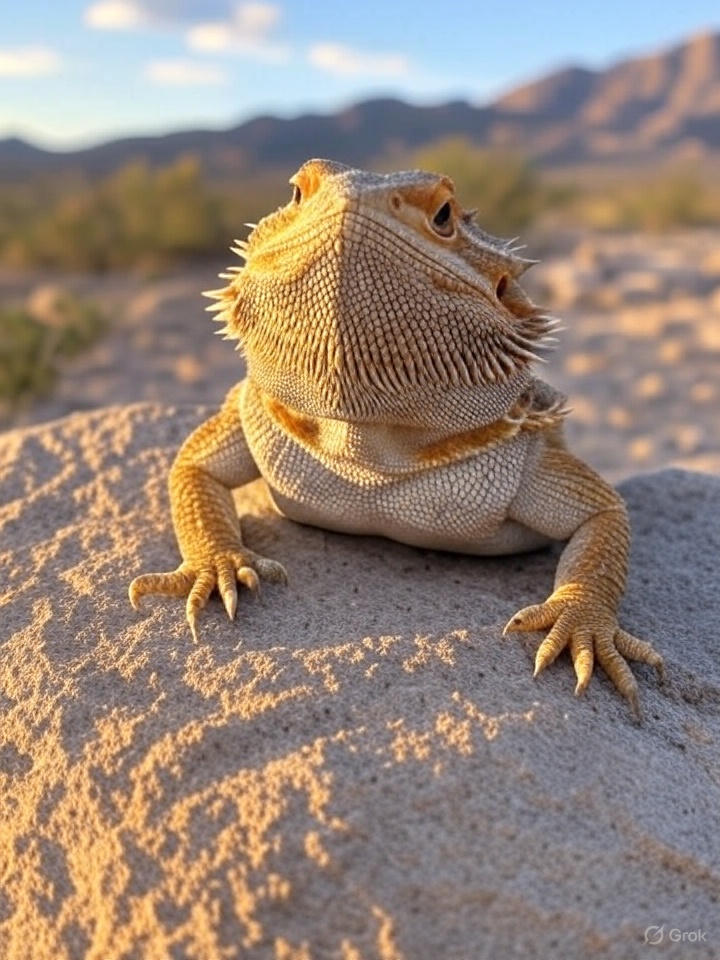
Discovering that your bearded dragon may be carrying eggs (gravid) can be both exciting and daunting, especially for new owners. Female bearded dragons can develop eggs even without mating, and knowing the signs of a gravid dragon and when they might lay is crucial for their health. Improper care during this time can lead to complications like egg binding. In this guide, we’ll explore how to identify if your bearded dragon has eggs, predict when they’ll lay, and provide proper care, all backed by expert advice to ensure your dragon’s well-being.
Understanding Bearded Dragon Egg Laying
Female bearded dragons can produce eggs as early as 8-12 months of age, whether they’ve mated (fertile eggs) or not (infertile eggs). A clutch typically contains 15-30 eggs, and a gravid dragon may lay multiple clutches per season. According to Dr. Stephanie Nelk, a reptile veterinarian, “Gravid bearded dragons require extra care to support egg development and prevent complications like dystocia (egg binding).” Recognizing the signs early and preparing a suitable environment are key to helping your dragon through this process. Let’s break down how to tell if your dragon is gravid and when to expect egg laying.
Signs Your Bearded Dragon Has Eggs
Identifying a gravid bearded dragon involves observing physical and behavioral changes. Here are the key signs:
- Swollen Abdomen: A gravid dragon’s belly may appear rounder or lumpy, especially near the lower abdomen. Gently palpate (with vet guidance) to feel egg-like shapes.
- Increased Appetite: Gravid dragons often eat more to support egg development. Offer calcium-rich greens in a Fluker’s Repta-Bowl* and dust with Zoo Med Repti Calcium with D3* to meet nutritional needs. As an Amazon Associate, I earn from qualifying purchases.
- Restlessness or Digging: Females may pace or dig in the substrate, signaling they’re preparing to lay. This behavior is a strong indicator of impending egg laying.
- Weight Gain: A sudden increase in weight (monitor with a small scale) can suggest eggs.
- Lethargy: Some dragons become less active as egg laying approaches, conserving energy.
If you notice these signs, consult a reptile veterinarian to confirm gravidity and rule out health issues. Use a Zoo Med Digital Thermometer* to ensure the enclosure remains at 95-105°F for basking, as proper heat supports egg development.
When Will Your Bearded Dragon Lay Eggs?
The timing of egg laying depends on several factors, including age, health, and environmental conditions. Here’s what to expect:
- Gestation Period: After developing eggs, females typically lay within 4-6 weeks. Digging behavior often intensifies 1-2 weeks before laying.
- Seasonal Patterns: Egg laying is more common in spring and summer due to longer daylight and warmer temperatures, mimicking their breeding season.
- Environmental Triggers: A proper temperature gradient (95-105°F basking, 75-85°F cool side) and a laying box encourage timely laying. Use a Zilla Reptile Terrarium Heat Mat* under a laying box to provide warmth.
If your dragon shows signs of distress (e.g., prolonged digging without laying, lethargy, or loss of appetite), contact a vet immediately, as egg binding is a serious risk. The Bearded Dragon Care Checklist helps track behaviors and environmental conditions, ensuring you’re prepared for egg laying. Owners love this tool for its personalized reminders.
Preparing a Laying Box
A laying box is essential for a gravid dragon to lay eggs comfortably and safely. Here’s how to set one up:
- Choose a Container: Use a plastic storage bin (12”x12”x6” or larger) filled with 6-8 inches of moist (not wet) play sand or a sand-soil mix.
- Maintain Warmth: Place the laying box on the warm side of the tank or use a Zilla Reptile Terrarium Heat Mat* underneath to keep it at 85-90°F. Monitor with a Zoo Med Digital Thermometer*.
- Ensure Privacy: Position the box in a quiet area of the enclosure, possibly with a partial cover to reduce stress.
- Clean Regularly: After laying, remove eggs (if infertile) and clean the box with Absolutely Clean Amazing Reptile & Amphibian Terrarium Cleaner* to maintain hygiene.
Owners rely on the Zilla Reptile Terrarium Heat Mat* for its consistent warmth, making it ideal for a laying box.
Supporting Your Gravid Dragon’s Health
Gravid dragons need extra nutrition and a clean environment to stay healthy:
- Nutrition: Offer calcium-rich greens (e.g., collard greens) in a Fluker’s Repta-Bowl* and dust with Zoo Med Repti Calcium with D3* 4-5 times per week to support egg development and prevent deficiencies.
- Hydration: Provide fresh water daily in a Fluker’s Repta-Bowl* and mist greens lightly for hydration.
- Hygiene: Clean the enclosure weekly with Absolutely Clean Amazing Reptile & Amphibian Terrarium Cleaner* to prevent bacterial growth, especially during egg laying.
- Temperature: Maintain a stable gradient with a Zoo Med Digital Thermometer* to support digestion and egg production.
The Bearded Dragon Feeding Calculator is a must-have for tailoring a gravid dragon’s diet, ensuring proper portions of greens and supplements.
Comparing Essential Products for Gravid Dragons
Here’s a comparison of products to support a gravid bearded dragon:
| Product | Purpose | Benefits | Considerations |
|---|---|---|---|
| Zoo Med Repti Calcium with D3* | Supplement | Supports egg development, prevents MBD | Follow vet dosing guidelines |
| Fluker’s Repta-Bowl* | Feeding Dish | Durable, easy to clean for greens | Check for cracks over time |
| Zoo Med Digital Thermometer* | Temperature Monitoring | Ensures proper gradient for laying | Check batteries periodically |
| Absolutely Clean Amazing Reptile & Amphibian Terrarium Cleaner* | Disinfectant | Maintains hygiene during laying | Rinse thoroughly after use |
| Zilla Reptile Terrarium Heat Mat* | Laying Box Heat | Keeps laying box warm, encourages laying | Use with thermostat for safety |
This table helps you choose tools for a healthy egg-laying process.
Common Mistakes to Avoid
Avoid these pitfalls when caring for a gravid bearded dragon:
- Ignoring Signs: Missing digging or appetite changes can delay preparation. Monitor with the Bearded Dragon Care Checklist.
- Inadequate Nutrition: Skipping Zoo Med Repti Calcium with D3* can lead to egg binding or weak eggs.
- Improper Laying Environment: Without a warm laying box using a Zilla Reptile Terrarium Heat Mat*, your dragon may become egg-bound.
- Dirty Enclosure: Bacteria can harm a gravid dragon. Clean with Absolutely Clean Amazing Reptile & Amphibian Terrarium Cleaner* regularly.
Myth-Busting: Egg Laying Misconceptions
Let’s debunk common myths about bearded dragon egg laying:
- Myth: Only mated females lay eggs.
Truth: Unmated females can lay infertile eggs, requiring the same care. - Myth: A laying box isn’t necessary.
Truth: A warm laying box with a Zilla Reptile Terrarium Heat Mat* reduces stress and prevents egg binding. - Myth: Egg laying doesn’t require extra calcium.
Truth: Zoo Med Repti Calcium with D3* is critical to support egg development.
Practical Tips for Egg Laying Care
Here are actionable tips to support your gravid dragon:
- Observe Daily: Watch for digging or restlessness and prepare a laying box early. Use the Bearded Dragon Care Checklist to track symptoms.
- Maintain Hygiene: Clean the Fluker’s Repta-Bowl* and enclosure with Absolutely Clean Amazing Reptile & Amphibian Terrarium Cleaner* to prevent infections.
- Consult a Vet: For YMYL topics like egg laying, I consulted Dr. Stephanie Nelk, who recommends immediate vet care for signs of egg binding and regular calcium supplementation with Zoo Med Repti Calcium with D3*.
- Monitor Temperatures: Use a Zoo Med Digital Thermometer* to ensure a stable gradient for egg laying.
Conclusion
Recognizing if your bearded dragon has eggs and preparing for laying is vital for their health. Look for signs like a swollen abdomen or digging, and provide a warm laying box with a Zilla Reptile Terrarium Heat Mat, nutritious greens in a Fluker’s Repta-Bowl, and Zoo Med Repti Calcium with D3*. Tools like the Bearded Dragon Care Checklist and Bearded Dragon Feeding Calculator simplify care. Share your egg-laying experiences in the comments—how did you prepare for your dragon’s clutch?
BeardedBuddies.com collaborates with reptile experts to provide accurate, trustworthy care advice. This site participates in the Amazon Associates Program, earning from qualifying purchases.
About the Author
Dragon King, founder of BeardedBuddies.com, has been raising bearded dragons for over seven years, with his dragon Blaze as his loyal companion. When Blaze’s sister, Ember, became gravid, Dragon King noticed her digging frantically and set up a laying box with a Zilla Reptile Terrarium Heat Mat*, helping her lay comfortably. Passionate about guiding owners through egg laying, Dragon King works with herpetologists to share reliable, practical advice. All tips are based on consultations with reptile experts and standard care practices.