
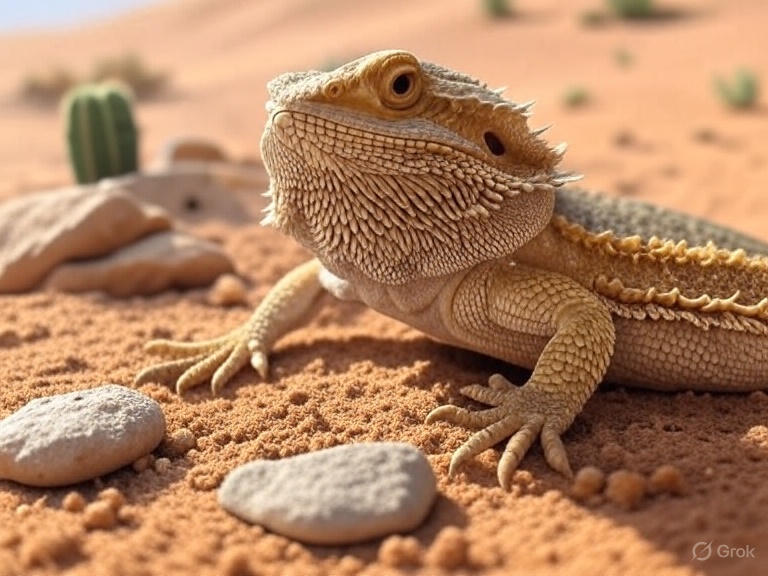
Adopting an adult bearded dragon is like welcoming a seasoned desert wanderer into your home—a creature with a unique personality, a history, and specific needs that differ from those of a sprightly juvenile. My dragon, Blaze, was an adult rescue when I brought him home, and his journey taught me what to expect: from quirky behaviors to potential health challenges. Adult bearded dragons (Pogona vitticeps), typically over 18 months, bring a mix of rewards and responsibilities. This guide, woven with lessons from my experience and expert insights, outlines what you can anticipate when adopting an adult dragon, covering behavior, health, and care to ensure a smooth transition. Whether you’re adopting from a rescue or a breeder, these tips will prepare you for the adventure ahead.
The Journey of Adopting an Adult Bearded Dragon
When I adopted Blaze, a 5-year-old bearded dragon, I expected a laid-back pet, but I quickly learned adults come with their own quirks and needs. Unlike juveniles, adult dragons are often set in their ways, with established personalities and, sometimes, baggage from past care. Dr. Samantha Lee, a reptile veterinarian, explains, “Adult bearded dragons may have unique health or behavioral needs due to their history, but with proper care, they can thrive.” Here’s what to expect when you bring home an adult dragon, from their initial adjustment to long-term care.
1. Behavioral Expectations
Adult bearded dragons are generally calmer than juveniles, but their behavior varies based on their past environment and care:
- Settled Personality: Adults (18 months and older) often display distinct traits—some are social and enjoy handling, while others may be shy or skittish, especially rescues. Blaze took weeks to warm up, often retreating to his Exo Terra Cocount Cave until he trusted me.
- Adjustment Period: Expect an initial stress phase (1-4 weeks) with behaviors like glass surfing, reduced appetite, or hiding. This is normal as they adapt to a new home.
- Lower Activity: Adults are less active than juveniles, spending more time basking or resting. However, they may still show playful behaviors like arm waving or head bobbing.
- Potential Stress from Past: Rescued adults may have experienced neglect, leading to defensive behaviors like puffing up or black bearding. Patience and a calm environment help.
What to Do: Provide a quiet, low-traffic space with an Exo Terra Cocount Cave for security. Limit handling to 5-10 minutes daily initially, gradually increasing as trust builds. The Bearded Dragon Care Checklist helps track bonding tasks for a smooth transition.
2. Health Considerations
Adult bearded dragons may come with health issues, especially if rescued from poor conditions. Common concerns include:
- Metabolic Bone Disease (MBD): Caused by inadequate UVB or calcium, leading to soft bones, tremors, or deformities. Check for swollen joints or difficulty moving.
- Malnutrition: Past poor diets may cause weight loss, dull skin, or lethargy. Blaze was underweight when adopted, but Fluker’s Repti Boost helped him recover.
- Parasites or Infections: Rescues may have internal parasites (e.g., pinworms) or infections like respiratory issues or mouth rot from improper care.
- Dental Issues: Adults may have worn teeth, making hard foods difficult to chew.
What to Do: Schedule a vet checkup within the first week to assess health. Use a Zoo Med ReptiSun UVB Bulb to support vitamin D3 synthesis and prevent MBD. Offer nutrient-rich foods in an Exo Terra Feeding Dish to address malnutrition.
3. Enclosure Requirements
Adult bearded dragons need a spacious, well-equipped tank to thrive:
- Tank Size: A minimum of 120 gallons (4x2x2 feet) ensures room for thermoregulation and activity. Smaller tanks stress adults.
- Temperature Gradient: Maintain a basking spot (95-110°F), warm zone (85-90°F), and cool zone (75-80°F), monitored with a Fluker’s Digital Thermometer/Hygrometer.
- UVB Lighting: A Zoo Med ReptiSun UVB Bulb (10-12% UVB) 6-12 inches from the basking spot is essential for 12 hours daily.
- Hides and Enrichment: Include an Exo Terra Cocount Cave for stress relief and branches for climbing.
What to Do: Set up the tank before adoption, using the Bearded Dragon Enclosure Calculator to tailor size and equipment. Monitor conditions daily to ensure stability.
4. Dietary Needs
Adult bearded dragons require a plant-heavy diet, differing from juveniles’ insect-focused meals:
- Diet Composition: 50-70% greens (collards, dandelion) and 30-50% insects (crickets, dubia roaches). Serve in an Exo Terra Feeding Dish to prevent substrate ingestion.
- Supplements: Dust food with calcium 2-3 times weekly and multivitamins 1-2 times weekly. Fluker’s Repti Boost supports malnourished adults.
- Hydration: Provide fresh water daily and weekly soaks to aid digestion and shedding.
What to Do: Use the Bearded Dragon Feeding Calculator to tailor portions, ensuring a balanced diet for adult dragons.
5. Bonding and Handling
Bonding with an adult dragon takes patience, especially for rescues:
- Trust Building: Adults may be wary due to past handling. Start with short, gentle sessions near their tank.
- Behavioral Cues: Watch for stress signs (black bearding, puffing up) or trust signals (arm waving, relaxed basking).
- Handling Frequency: Limit to 10-15 minutes daily, increasing as they adjust.
What to Do: Offer treats in an Exo Terra Feeding Dish to build trust. The Bearded Dragon Care Checklist tracks bonding progress.
| Aspect | What to Expect | Action | Recommended Product/Tool |
|---|---|---|---|
| Behavior | Settled or skittish personality | Limit handling, provide hides | Exo Terra Cocount Cave |
| Health | MBD, malnutrition, parasites | Vet checkup, UVB, supplements | Zoo Med ReptiSun UVB Bulb, Fluker’s Repti Boost |
| Enclosure | Needs 120-gallon tank, gradient | Set up before adoption | Fluker’s Digital Thermometer/Hygrometer |
| Diet | Plant-heavy, supplements | Balanced meals, hydration | Exo Terra Feeding Dish |
| Bonding | Slow trust-building | Gentle handling, treats | Bearded Dragon Care Checklist |
As an Amazon Associate, I earn from qualifying purchases. Tools like the Fluker’s Digital Thermometer/Hygrometer ensure a stable environment for your new dragon.
Common Mistakes to Avoid
- Skipping Vet Checks: Undiagnosed issues like parasites can worsen. Schedule a checkup immediately.
- Inadequate Enclosure: Small tanks or poor UVB harm adults. Use a Zoo Med ReptiSun UVB Bulb.
- Rushing Bonding: Forcing handling stresses dragons. Be patient and use an Exo Terra Cocount Cave.
- Improper Diet: Overfeeding insects causes obesity. Use the Bearded Dragon Feeding Calculator.
Myths About Adult Bearded Dragons
- Myth: “Adults are low-maintenance.” Fact: They need specific care, like proper UVB and diet.
- Myth: “Rescues can’t bond.” Fact: With patience, adults can become trusting companions.
- Myth: “Any tank works.” Fact: Adults require 120 gallons and a Fluker’s Digital Thermometer/Hygrometer for monitoring.
Conclusion
Adopting an adult bearded dragon brings a unique companion with established traits, but expect an adjustment period, potential health issues, and specific care needs. Set up a 120-gallon tank with a Zoo Med ReptiSun UVB Bulb, provide a stress-free hide like an Exo Terra Cocount Cave, and support nutrition with Fluker’s Repti Boost. The Bearded Dragon Enclosure Calculator and Bearded Dragon Care Checklist simplify the process. What’s your experience adopting an adult dragon? Share in the comments!
About the Author
I’m Dragon King, founder of BeardedBuddies.com and a reptile enthusiast with over seven years raising bearded dragons. My adult rescue, Blaze, transformed from skittish to social with an Exo Terra Cocount Cave and proper care. I collaborate with reptile experts to share practical, trustworthy advice for dragon owners worldwide. All my tips are based on consultations with herpetologists and standard care practices.
BeardedBuddies.com collaborates with reptile experts to provide accurate, trustworthy care advice. This site participates in the Amazon Associates Program, earning from qualifying purchases.