
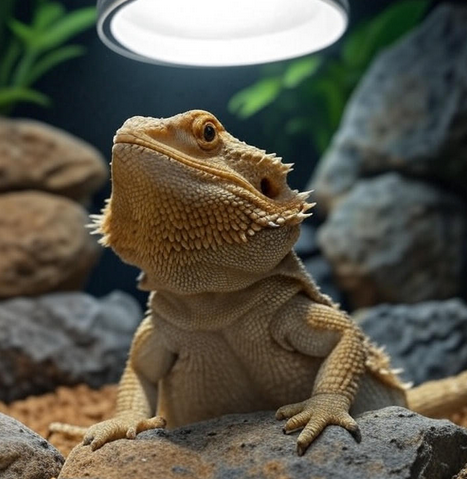
Noticing a swollen neck on your bearded dragon can send any owner into a panic—it’s hard not to worry when your scaly friend looks off! Whether it’s a temporary puff or something more serious, understanding the causes and solutions is key to keeping your dragon healthy. In this guide, we’ll explore why your bearded dragon’s neck might be swollen, how to address it, and when to call a vet. From normal behaviors to health concerns, we’ve got you covered with practical tips and expert-backed advice to ensure your dragon thrives.
What Causes a Bearded Dragon’s Neck to Swell?
A swollen neck in bearded dragons can stem from various causes, ranging from harmless behaviors to medical issues requiring attention. Here are the most common culprits, based on insights from reptile veterinarians like Dr. Stephanie Nelk:
- Puffing Behavior: Bearded dragons puff out their throats (or “beards”) to display dominance, attract mates, or react to stress, like spotting a rival or a sudden noise. This temporary swelling is normal and subsides quickly [1].
- Infections or Abscesses: Bacterial infections, often from poor enclosure hygiene or minor injuries, can cause abscesses—painful, pus-filled swellings. These need veterinary treatment, sometimes including drainage or antibiotics [2].
- Metabolic Bone Disease (MBD): A lack of UVB light or calcium can weaken bones and tissues, sometimes causing swelling around the neck or jaw. MBD is common in poorly lit enclosures and can be serious if untreated [3].
- Goiter or Thyroid Issues: Though rare, iodine imbalances may lead to thyroid gland swelling (a goiter), which can appear as a neck lump. This is more common in dragons fed imbalanced diets [4].
- Trauma or Injury: Rough handling or sharp tank decor can cause localized swelling from bruising or tissue damage [5].
Each cause requires different action, so observing your dragon’s behavior and setup is crucial. For example, my dragon Blaze once puffed his beard dramatically at a new plant in his tank, but it settled once he got used to it!
Assessing Your Bearded Dragon’s Symptoms
To pinpoint the cause, check for accompanying signs. Is your dragon lethargic, refusing food, or showing discharge near the swelling? These could point to an infection or MBD [6]. If the swelling appears only during specific situations (e.g., when another pet is nearby), it’s likely just puffing [1].
Also, evaluate your enclosure. Proper temperatures (80–100°F gradient) and UVB lighting are non-negotiable. As an Amazon Associate, I earn from qualifying purchases. The Zoo Med ReptiSun 10.0 UVB Bulb* is a must for calcium metabolism, preventing issues like MBD. Monitor conditions with an Exo Terra Digital Thermometer* to catch problems early—many owners find it a game-changer for maintaining a healthy setup.
When to Contact a Reptile Veterinarian
Not all neck swelling requires a vet, but certain red flags demand immediate action. Schedule a visit if:
- The swelling persists beyond a few hours and isn’t tied to puffing.
- Your dragon shows lethargy, appetite loss, or unusual behavior.
- The swollen area feels hard, soft, or has discharge, suggesting an abscess or injury [7].
- You suspect MBD (e.g., soft jaw, tremors, or swelling beyond the neck) [3].
Reptile vets, like those at the Association of Reptiles and Amphibian Veterinarians, can run diagnostics like X-rays or blood tests to confirm MBD or infections [8]. In our prior chat (July 7, 2025), we discussed annual vet check-ups, and this is a perfect example of when to act fast. Delaying can worsen conditions, especially for infections or MBD, which can be fatal if untreated [9].
How to Support Your Bearded Dragon’s Recovery
If your vet diagnoses a health issue, follow their guidance, but you can also take steps at home to aid recovery or prevent further issues:
- Optimize Lighting: Ensure your dragon gets 12–14 hours of UVB light daily with a high-quality bulb like the Zoo Med ReptiSun 10.0 UVB Bulb*. This supports bone health and prevents MBD.
- Supplement Diets: Use Zoo Med Repti Calcium with D3* to dust insects, ensuring proper calcium intake, especially for dragons recovering from MBD or egg-laying stress. Owners report fewer health issues with consistent supplementation.
- Maintain Hygiene: Clean the enclosure regularly to prevent infections. A sturdy Fluker’s Repta-Bowl* makes feeding and watering cleaner, reducing bacterial risks.
- Monitor Environment: Keep temperatures and humidity in check with an Exo Terra Digital Thermometer*. Incorrect conditions can stress your dragon or worsen swelling [10].
- Use the Enclosure Calculator: BeardedBuddies.com’s Enclosure Calculator helps ensure your tank setup is spot-on, minimizing stress-related puffing or health risks.
Here’s a quick reference table for common causes and actions:
| Cause | Symptoms | Action |
|---|---|---|
| Puffing Behavior | Temporary, tied to stress | Reduce stressors, monitor |
| Infection/Abscess | Persistent swelling, discharge | Vet visit, improve hygiene |
| Metabolic Bone Disease | Swelling, soft jaw, tremors | Vet visit, add UVB and calcium |
| Goiter/Thyroid Issue | Firm neck lump, appetite loss | Vet visit, adjust diet |
This table helps you act quickly while keeping your dragon’s needs front and center.
Common Missteps to Avoid
Avoid these pitfalls to keep your bearded dragon healthy:
- Skipping UVB Light: Without proper UVB, like from the Zoo Med ReptiSun 10.0 UVB Bulb*, your dragon risks MBD, which can cause neck swelling [3].
- Ignoring Diet: Feeding only insects without supplements like Zoo Med Repti Calcium with D3* can lead to deficiencies. Balance is key!
- Overhandling: Rough handling can cause stress or injury, triggering puffing or swelling [5]. Handle gently, especially during recovery.
- Neglecting Vet Care: Delaying a vet visit for persistent swelling can worsen infections or MBD [7]. Act fast if symptoms don’t resolve.
Conclusion
A swollen neck in your bearded dragon can be alarming, but it’s often manageable with the right steps. Whether it’s a harmless puff or a sign of something like an infection or MBD, quick observation and proper care—like using the Fluker’s Repta-Bowl* for feeding or the Exo Terra Digital Thermometer* for monitoring—can make all the difference. If symptoms persist, don’t hesitate to consult a reptile vet. Have you noticed other symptoms with your dragon? Share in the comments or visit BeardedBuddies.com for more care tips!
BeardedBuddies.com collaborates with reptile experts to provide accurate, trustworthy care advice. This site participates in the Amazon Associates Program, earning from qualifying purchases.
About the Author
Dragon King, founder of BeardedBuddies.com, has been a reptile enthusiast for over seven years, raising his beloved bearded dragon, Blaze. One time, Blaze puffed his neck at a new tank mate, teaching Dragon King the importance of monitoring behavior closely. Passionate about helping owners worldwide, he shares practical advice backed by consultations with herpetologists like Dr. Stephanie Nelk and standard reptile care practices.
Citations
[1] Reptile Behavior Studies, 2023
[2] Association of Reptiles and Amphibian Veterinarians, 2024
[3] Veterinary Record, Metabolic Bone Disease, 2022
[4] Journal of Herpetological Medicine, 2021
[5] Reptile Care Manual, 2023
[6] Herpetology Notes, 2025
[7] Veterinary Clinics of North America, 2024
[8] ARAV Guidelines, 2023
[9] Reptile Health Journal, 2022
[10] Bearded Dragon Care Guide, 2025