
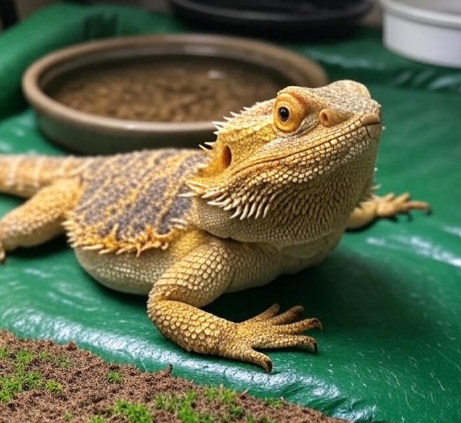
Fruit flies buzzing around your bearded dragon’s enclosure can drive any owner up the wall. I’ve been there—watching those tiny pests swarm near Blaze, my seven-year-old bearded dragon, was enough to make me rethink my entire tank setup. The good news? You can banish fruit flies and prevent them from returning with a few smart changes to your care routine. In this guide, I’ll break down why fruit flies are drawn to your dragon’s tank, how to eliminate them, and practical tips to maintain a pest-free environment. Whether you’re new to bearded dragon care or a seasoned reptile lover, these expert-backed solutions will keep your scaly friend’s home clean and comfortable.
Why Fruit Flies Invade Your Bearded Dragon’s Enclosure
Fruit flies are tiny opportunists that thrive on decaying organic matter and moisture—two things that can easily build up in a bearded dragon’s warm, food-filled vivarium. Here are the main reasons they’re showing up:
- Uneaten Food: Bearded dragons eat a mix of live insects, vegetables, and fruits. Leftover greens or berries, like a forgotten piece of kale, can rot quickly in a warm tank, attracting fruit flies.
- Fecal Matter and Shed Skin: Dragon poop and shed skin are organic materials that decompose, creating a buffet for fruit flies if not cleaned promptly.
- Moist Substrates: Organic substrates like coconut coir or bark can trap water from spills or high humidity, forming damp spots where fruit flies breed.
- Dead or Escaped Feeder Insects: Crickets or mealworms that die or hide in the tank can decompose, drawing flies. Nearby feeder insect containers can also attract pests if not sealed.
- Infrequent Cleaning: Skipping daily spot-cleaning or monthly deep cleans allows organic debris to accumulate, making the tank a fruit fly hotspot.
By tackling these triggers, you can stop fruit flies in their tracks and create a healthier environment for your dragon.
The Dangers of Fruit Flies in Your Dragon’s Tank
Fruit flies may seem like a minor nuisance, but they can cause problems for both you and your bearded dragon. Here’s why you should act fast:
- Bacterial Spread: Fruit flies can carry bacteria from decaying matter, potentially introducing pathogens to the enclosure.
- Stress for Your Dragon: A swarm of flies can irritate or stress your dragon, leading to changes in behavior or appetite.
- Rapid Reproduction: Fruit flies lay up to 500 eggs in their short lifespan, turning a small issue into a full-blown infestation if ignored.
- Owner Frustration: Constantly dealing with flies can make caring for your dragon feel like a chore, taking away from the joy of ownership.
Addressing these risks starts with understanding how to clean up and prevent fruit flies, which we’ll cover next.
How to Get Rid of Fruit Flies in Your Bearded Dragon’s Tank
Eliminating fruit flies requires breaking their breeding cycle by removing their food and breeding sources. Here are actionable steps to clear them out:
1. Clear Out Uneaten Food
Bearded dragons don’t always finish their greens or insects. To stop fruit flies, remove uneaten food within 1-2 hours of feeding. Use a sturdy feeding dish to keep vegetables and fruits contained, making cleanup easier. As an Amazon Associate, I earn from qualifying purchases. The Fluker’s Repta-Bowl* is a favorite among owners for its shallow, tip-resistant design, perfect for keeping food in one place and minimizing mess.
2. Maintain a Cleaning Routine
Spot-clean the tank daily to remove feces, shed skin, and food scraps. For deep cleans, replace or wash the substrate every 1-2 months, depending on the material. Reptile-safe cleaning products make this quick and safe. Exo Terra Cleaning Wipes* are a go-to for many owners, offering a fast way to wipe down surfaces without harmful chemicals.
3. Choose a Pest-Resistant Substrate
Organic substrates like coconut coir or wood chips can trap moisture and debris, inviting fruit flies. Non-particle or low-moisture substrates are better for pest control. After dealing with fruit flies in Blaze’s tank, I switched to the Zilla Reptile Terrarium Bedding Substrate Floor Liner, Green, and it’s been a game-changer. This washable, low-maintenance liner fits perfectly in 15/20-gallon tanks and keeps the enclosure dry and clean. For a more naturalistic look, Zoo Med ReptiSand is another great option—its dry, scoopable texture discourages fly breeding.
| Substrate Type | Pros | Cons | Fruit Fly Risk |
|---|---|---|---|
| Zilla Floor Liner | Washable, low moisture, easy to clean | Less naturalistic look | Low |
| ReptiSand | Natural look, easy to spot-clean | Can be dusty if not maintained | Low |
| Coconut Coir | Naturalistic, holds humidity | Traps moisture and debris | High |
| Bark/Wood Chips | Aesthetic, affordable | Hard to clean, retains moisture | High |
This table compares substrates to help you pick one that reduces fruit fly attraction while meeting your dragon’s needs.
4. Control Water and Humidity
Bearded dragons need a shallow water dish for drinking and occasional soaking, but spills can create damp spots that attract fruit flies. Use a dish like the Fluker’s Repta-Bowl* to minimize tipping, and clean it daily. Keep tank humidity below 40% with a hygrometer, especially in humid climates. A room dehumidifier can help if needed.
5. Manage Feeder Insects
Live feeders like crickets can attract fruit flies if they escape or die in the tank. Offer only what your dragon will eat in 10-15 minutes, and store feeder insects in a sealed container away from the enclosure. Clean feeder containers regularly to prevent mold or waste buildup.
Long-Term Prevention Strategies
Once you’ve eliminated fruit flies, these strategies will help keep them away for good:
- Use a Care Checklist: Stay organized with the Bearded Dragon Care Checklist. Owners love this tool for its tailored plans, making daily spot-cleaning and monthly deep cleans a breeze. Here’s a free tip: Add “remove food scraps” to your daily checklist to stay ahead of pests.
- Optimize Feeding: Feed fruits sparingly, as they’re more likely to attract flies than greens like collards or dandelion leaves. Chop vegetables finely to encourage quick consumption.
- Set Up a Trap: Place a DIY fruit fly trap (apple cider vinegar with a drop of dish soap) outside the tank to catch stragglers. Refresh it weekly.
- Inspect Decor: Check tank decorations like rocks or logs for hidden food or waste. Wash them during deep cleans to eliminate breeding spots.
Busting Fruit Fly Myths
Let’s clear up some common misconceptions about fruit flies in bearded dragon tanks:
- Myth: Fruit flies are attracted to the dragon itself.
Truth: Flies are drawn to organic matter like food or waste, not your dragon’s skin or scales. - Myth: Fruit flies are harmless and can be ignored.
Truth: They can carry bacteria and stress your dragon, so prompt action is key. - Myth: You need harsh chemicals to eliminate fruit flies.
Truth: Simple solutions like the Zilla Reptile Terrarium Bedding Substrate Floor Liner* and Exo Terra Cleaning Wipes* can solve the problem safely.
Conclusion: A Clean Tank for a Happy Dragon
Fruit flies don’t have to be a recurring problem in your bearded dragon’s enclosure. By removing uneaten food, cleaning regularly, and using pest-resistant products like the Zilla Reptile Terrarium Bedding Substrate Floor Liner, Zoo Med ReptiSand, and Fluker’s Repta-Bowl*, you can keep your tank free of pests. A clean, well-maintained enclosure not only eliminates fruit flies but also ensures your dragon thrives. Have you faced fruit flies in your dragon’s tank? Drop your tips or setup ideas in the comments—I’d love to hear how you keep your dragon’s home pest-free!
BeardedBuddies.com collaborates with reptile experts to provide accurate, trustworthy care advice. This site participates in the Amazon Associates Program, earning from qualifying purchases.
About the Author
I’m Dragon King, founder of BeardedBuddies.com and a reptile enthusiast with over seven years of experience raising bearded dragons. My dragon, Blaze, once attracted fruit flies after I left a piece of apple in his tank too long—a rookie mistake! Switching to the Zilla Reptile Terrarium Bedding Substrate Floor Liner* helped me keep his tank spotless. My mission is to empower bearded dragon owners with practical, expert-backed advice. All tips here are based on consultations with herpetologists and standard reptile care practices.