
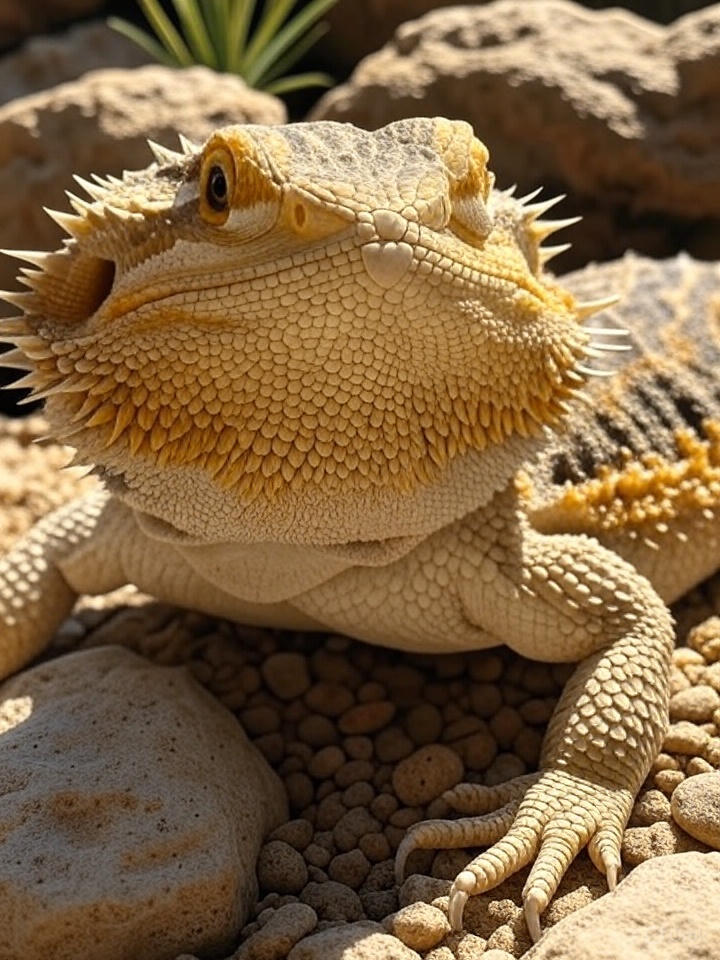
Bearded dragons are fantastic pets, blending prehistoric charm with quirky personalities that make every day a joy. But to keep an adult bearded dragon thriving, choosing the right tank size is critical. A properly sized enclosure supports their health, encourages natural behaviors, and prevents stress. In this guide, we’ll explore the best tank size for an adult bearded dragon, why it matters, and how to set it up for success. Whether you’re upgrading your dragon’s home or starting fresh, this post will help you create a habitat that keeps your scaly friend happy and healthy.
Why Tank Size Matters for Adult Bearded Dragons
Adult bearded dragons, typically 12 months or older and 16-24 inches long, are active reptiles that need space to roam, bask, and cool off. A tank that’s too small can lead to stress, reduced activity, or health issues like obesity or metabolic bone disease. Dr. Stephanie Nelk, a reptile veterinarian, explains that a spacious enclosure allows dragons to thermoregulate effectively, moving between warm and cool zones to maintain optimal body temperature. A cramped tank also limits enrichment, which can dull their curious nature.
When I upgraded my dragon Blaze’s tank, I saw a transformation. In his old, undersized setup, he was sluggish, but a larger tank turned him into an explorer, climbing branches and chasing crickets with gusto. The right bearded dragon enclosure size makes all the difference, and this guide will help you get it right.
Minimum and Ideal Tank Sizes for Adult Bearded Dragons
For an adult bearded dragon, the minimum tank size is 75 gallons, with dimensions of at least 48 inches long x 18 inches wide x 21 inches tall (4’x1.5’x1.75’). However, an ideal tank size is 120 gallons or larger, such as 48 inches long x 24 inches wide x 24 inches tall (4’x2’x2’). These dimensions provide ample room for thermoregulation, exercise, and enrichment like branches or rocks.
- Why 75 Gallons Minimum? This size allows for a basking spot (95-110°F), a cool zone (80-85°F), and enough space for a Fluker’s Repta-Bowl* for water or food. As an Amazon Associate, I earn from qualifying purchases. It’s suitable for a single adult but can feel restrictive for larger dragons.
- Why 120 Gallons Is Better: A 120-gallon tank, like the Exo Terra Terrarium (Large)*, offers extra space for climbing structures and substrate depth, promoting natural behaviors. Owners love the added room for creating a naturalistic setup.
| Tank Size | Dimensions | Best For | Pros | Cons |
|---|---|---|---|---|
| 75 Gallons | 48”x18”x21” | Single adult | Affordable, fits most spaces | Limited enrichment space |
| 120 Gallons | 48”x24”x24” | Single adult | Room for decor, naturalistic | Larger footprint, pricier |
Pro Tip: Unsure about the perfect setup? The Bearded Dragon Enclosure Calculator takes your dragon’s age and length to recommend the ideal tank size, lighting, and substrate—solving the guesswork for a tailored habitat.
Tank Material and Design Considerations
The tank’s material and design are just as important as its size:
- Glass Terrariums: Popular for visibility and heat retention, glass tanks like the Exo Terra Terrarium (Large)* are durable and widely available. Ensure they have a secure screen lid for ventilation.
- PVC Enclosures: Lightweight and excellent for humidity control, PVC tanks are ideal for dry climates but can be pricier.
- Ventilation and Security: Adult bearded dragons are strong, so choose a tank with a sturdy lid to prevent escapes. Good airflow prevents mold or bacterial growth.
- Single Dragon Rule: Never house multiple bearded dragons together, as they’re solitary and may fight. Each adult needs its own 75-120-gallon tank.
Blaze once tried to “redecorate” his glass tank by nudging a rock against the wall—thankfully, the sturdy design held up. A well-built tank keeps your dragon safe and your mind at ease.
Setting Up the Perfect Tank
A properly sized tank needs the right equipment to mimic a bearded dragon’s natural habitat:
- UVB Lighting: A Zoo Med ReptiSun 10.0 UVB Bulb* is essential for vitamin D3 synthesis, which supports calcium absorption. Position it to cover two-thirds of the tank, and replace it every 6-12 months.
- Temperature Control: Use a basking bulb for a warm spot (95-110°F) and keep the cool side at 80-85°F. Monitor with a Zoo Med Digital Thermometer* for accuracy—owners swear by its reliability for maintaining gradients.
- Substrate: Choose a safe substrate like Zoo Med ReptiSand* for a naturalistic look. Avoid loose substrates for juveniles, as they may ingest it. Reptile carpet or tile are low-maintenance alternatives.
- Accessories: Add a water dish (Fluker’s Repta-Bowl*), branches, and rocks for climbing. Ensure decor is secure to prevent tipping.
Common Tank Size Mistakes to Avoid
New owners often make these errors when choosing a bearded dragon vivarium setup:
- Starting Too Small: A 40-gallon tank is fine for babies but not adults. Plan for growth to avoid frequent upgrades.
- Ignoring Height: Bearded dragons climb, so a tank with 18-24 inches of height allows for vertical enrichment.
- Overcrowding Decor: A spacious tank still needs open areas for movement. Balance decor with free space.
When I first got Blaze, I thought a 55-gallon tank would suffice. His sluggish behavior told me otherwise, and upgrading to a 120-gallon tank was a game-changer.
Tips for Maintaining the Tank
A well-sized tank requires regular upkeep to stay dragon-friendly:
- Daily Spot Cleaning: Remove feces or uneaten food to prevent bacteria. Check the Fluker’s Repta-Bowl* for debris.
- Weekly Deep Clean: Disinfect the tank and replace substrate like Zoo Med ReptiSand* to keep it fresh.
- Monitor Conditions: Use the Zoo Med Digital Thermometer* daily to ensure stable temperatures and replace UVB bulbs on schedule.
The Bearded Dragon Enclosure Calculator can help you track these tasks, ensuring your tank setup stays perfect as your dragon grows.
Busting Tank Size Myths
Let’s clear up some misconceptions about adult bearded dragon tank requirements:
- Myth: A 40-gallon tank is enough for an adult. False. Adults need at least 75 gallons to thrive, with 120 gallons being ideal.
- Myth: Bigger tanks are harder to maintain. Not true. Larger tanks are easier to clean since waste is less concentrated, and they stabilize temperatures better.
- Myth: Bearded dragons don’t need much space. Wrong. Active dragons benefit from room to explore, reducing stress and promoting health.
Conclusion: Choosing the Right Tank for Your Dragon
The best tank size for an adult bearded dragon is at least 75 gallons, with 120 gallons being the gold standard for comfort and enrichment. Pair it with essentials like a Zoo Med ReptiSun 10.0 UVB Bulb* and a Zoo Med Digital Thermometer* to create a habitat that supports your dragon’s health. Have a favorite tank setup or decor idea? Share it in the comments—I’d love to hear how you keep your dragon’s home perfect!
About the Author
Dragon King, founder of BeardedBuddies.com, has raised bearded dragons for over seven years. His dragon, Blaze, once tried to “rearrange” his tank by shoving a rock into a corner, showing Dragon King the value of a spacious setup. A dedicated dragon lover, he works with herpetologists like Dr. Stephanie Nelk to share reliable, hands-on advice. All tips are based on standard reptile care practices and expert consultations.
BeardedBuddies.com collaborates with reptile experts to provide accurate, trustworthy care advice. This site participates in the Amazon Associates Program, earning from qualifying purchases.