
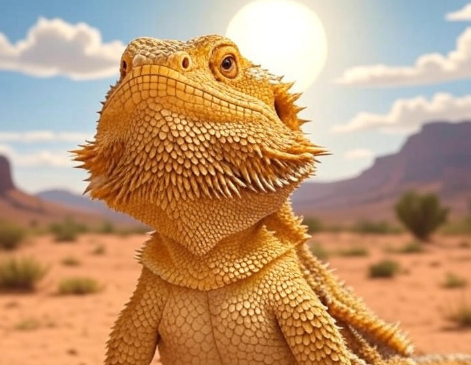
Bearded dragons, with their captivating charm and desert heritage from Australia, are popular pets whose calm nature hides subtle cues when they need more attention, ensuring their health and happiness. Spotting signs of stress, illness, or environmental issues is key to thriving bearded dragon care. Whether you’re a new owner or a seasoned enthusiast, recognizing these indicators enables timely action. Drawing from extensive reptile care expertise and community insights, this guide offers practical tips. Begin now to support your dragon’s well-being.
This article covers health-related signs, behavioral stress indicators, environmental issues, and conclusion. Start today to enhance your dragon’s care.
Disclosure: This post contains affiliate links. I may earn a small commission from purchases made through these links at no additional cost to you (#CommissionsEarned).
Health-Related Signs to Watch For
Bearded dragons conceal illness, so watch for health signs needing attention:
- Not eating for 3+ days: Signals stress, temperature issues, or poor UVB—adjust conditions, per Reptile.Guide (https://reptile.guide/sick-bearded-dragon/).
- Lethargy/lack of movement: May indicate sickness or brumation—verify 95–105°F basking, 75–85°F cool, per Terrarium Quest (https://www.terrariumquest.com/bearded-dragon/behavior/).
- Sunken eyes/wrinkly skin: Dehydration signs—offer water, try soaks, per Reptile.Guide (https://reptile.guide/sick-bearded-dragon/).
- Jerky movements: Suggests calcium deficiency/MBD—ensure UVB/calcium, per Reptile.Guide (https://reptile.guide/sick-bearded-dragon/).
- Rotting/discolored skin: Indicates infections like tail rot—vet if persistent, per Reptile.Guide (https://reptile.guide/sick-bearded-dragon/).
- Swollen/droopy/closed eyes: Possible eye infections—check UV, seek vet, per Terrarium Quest (https://www.terrariumquest.com/bearded-dragon/behavior/).
- Runny/unusual poop: May signal parasites—vet test needed, per Terrarium Quest (https://www.terrariumquest.com/bearded-dragon/behavior/).
- Twitching/jerking movements: Seizures from infections/poisoning—vet immediately, per Terrarium Quest (https://www.terrariumquest.com/bearded-dragon/behavior/).
- Stargazing: Upward gazing suggests atadenovirus—isolate, vet care, per Terrarium Quest (https://www.terrariumquest.com/bearded-dragon/behavior/).
- Lack of appetite in older dragons: May indicate end-of-life—monitor closely, per Terrarium Quest (https://www.terrariumquest.com/bearded-dragon/behavior/).
Enhance your health checks with monitoring tools on Amazon (https://amzn.to/4lku8DG).
Behavioral Signs of Stress or Unhappiness
Behavioral cues signal when your bearded dragon needs more attention:
- Stress marks on neck/throat: Indicate new environments/other pets—reduce stress, per Reptile.Guide (https://reptile.guide/sick-bearded-dragon/).
- Persistent black beard: Suggests distress/pain—check habitat, per Terrarium Quest (https://www.terrariumquest.com/bearded-dragon/behavior/).
- Gaping mouth (long periods): May indicate respiratory issues—monitor breathing, per Terrarium Quest (https://www.terrariumquest.com/bearded-dragon/behavior/).
- Glass surfing: Signals overcrowding/habitat changes—adjust space, per Terrarium Quest (https://www.terrariumquest.com/bearded-dragon/behavior/).
- Excessive soaking: Suggests stress/mitres—check for mites, per Terrarium Quest (https://www.terrariumquest.com/bearded-dragon/behavior/).
- Hissing/puffing/arm waving: Defensive stress—ease handling/environment, per PangoVet (https://pangovet.com/pet-health-wellness/bearded-dragons/how-to-tell-bearded-dragons-happy/).
- Darkening coloration: Indicates discomfort—assess conditions, per PangoVet (https://pangovet.com/pet-health-wellness/bearded-dragons/how-to-tell-bearded-dragons-happy/).
- Frequent hiding: Suggests unhappiness/stress—add hides, per PangoVet (https://pangovet.com/pet-health-wellness/bearded-dragons/how-to-tell-bearded-dragons-happy/).
- Running/freezing when held: Fear signals—use gentle, routine handling, per PangoVet (https://pangovet.com/pet-health-wellness/bearded-dragons/how-to-tell-bearded-dragons-happy/).
- Jumpiness/discomfort with handling: Needs gentler interaction—reduce handling, per PangoVet (https://pangovet.com/pet-health-wellness/bearded-dragons/how-to-tell-bearded-dragons-happy/).
- Rarely seen out: Less activity may mean stress/illness—check habitat, per PangoVet (https://pangovet.com/pet-health-wellness/bearded-dragons/how-to-tell-bearded-dragons-happy/).
Enhance your environment with stress-reducing hides on Amazon (https://amzn.to/4lku8DG).
Environmental and Care-Related Issues
Environmental issues signal when your bearded dragon needs more attention:
- Inadequate tank temperatures: Ensure 95–105°F basking, 75–85°F cool, per Reptile.Guide (https://reptile.guide/sick-bearded-dragon/).
- Improper UVB setup: Use correct bulbs, replace every 6–12 months, per Reptile.Guide (https://reptile.guide/sick-bearded-dragon/).
- Dehydration: Provide water daily, mist food, per Reptile.Guide (https://reptile.guide/sick-bearded-dragon/).
- Mite infestation: Watch for scratching/red-black dots—vet treatment, per Terrarium Quest (https://www.terrariumquest.com/bearded-dragon/behavior/).
- Improper diet: Offer calcium-dusted insects/veggies, per Reptile.Guide (https://reptile.guide/sick-bearded-dragon/).
- Overcrowding/wrong tank mates: House solo, especially males, per PetMD (https://www.petmd.com/reptile/bearded-dragon-care-sheet).
- New environment/changes: Introduce gradually, per Terrarium Quest (https://www.terrariumquest.com/bearded-dragon/behavior/).
Enhance your habitat with temperature tools on Amazon (https://amzn.to/4lku8DG).
Conclusion: Act Promptly for Your Dragon’s Needs
Spotting signs your bearded dragon needs more attention—health issues like lack of appetite or behavioral stress like glass surfing—enables timely care to maintain their well-being. Adjust environment, diet, and seek vet help as needed. Ensure your dragon thrives with monitoring tools, stress-reducing hides, and temperature tools on Amazon (https://amzn.to/4lku8DG). Share your observations in the comments and consult a veterinarian for tailored advice to keep your beardie flourishing.