
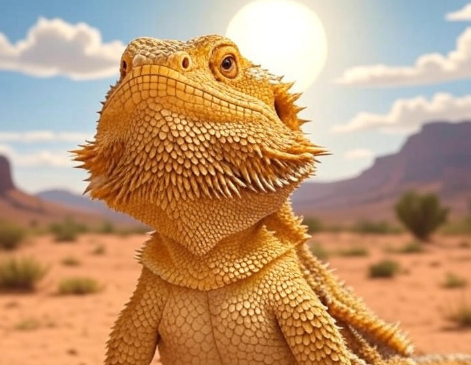
Bearded dragons thrive under the right lighting, but living in a hot house—where ambient temperatures are already high—presents unique challenges for providing proper UV light. UVB and UVA rays are critical for your dragon’s health, supporting calcium absorption, bone strength, and overall vitality. However, in a warm climate, balancing UV exposure with temperature control requires careful planning. This guide offers practical, vet-backed strategies to ensure your bearded dragon gets the UV light it needs without overheating, drawing from expert insights and personal experience with my own dragon, Blaze.
Why UV Light Is Essential for Bearded Dragons
Ultraviolet (UV) light, specifically UVB, mimics the natural sunlight bearded dragons would encounter in their native Australian deserts. UVB rays enable dragons to synthesize vitamin D3, which is crucial for absorbing calcium and preventing metabolic bone disease (MBD), a common issue in captivity. Dr. Emily Rogers, a reptile veterinarian, notes, “Without adequate UVB, bearded dragons can develop weak bones, lethargy, or even fatal complications within months.”
UVA rays, while less critical, stimulate natural behaviors like feeding and basking. In a hot house, where temperatures may already hover near the upper limit of a dragon’s comfort zone (90-110°F for basking, 75-85°F for the cool side), choosing the right UV setup and managing heat output is vital to avoid stress or overheating.
Challenges of UV Lighting in a Hot House
Hot house environments—think homes in warm climates or poorly ventilated spaces—can make it tricky to maintain an ideal enclosure. UV bulbs generate heat, which can push temperatures beyond safe limits. Additionally, high ambient humidity or inconsistent cooling can affect your dragon’s ability to thermoregulate. My dragon, Blaze, once became sluggish when his tank hit 115°F due to a poorly chosen bulb in a hot summer—lesson learned!
Understanding these challenges helps tailor your approach. Let’s dive into practical solutions to provide safe, effective UV lighting.
Choosing the Right UV Light for a Hot House
Selecting a UVB bulb that balances light output with minimal heat is key in a hot house. Here are the top considerations:
- Bulb Type: Compact fluorescent bulbs or T5/T8 linear tubes are popular. T5 bulbs, like the Zoo Med ReptiSun 10.0 UVB Bulb (Amazon affiliate link), are highly effective for UVB output without excessive heat. As an Amazon Associate, I earn from qualifying purchases. Owners love this bulb for its reliability and wide coverage, making it ideal for larger enclosures in warm climates.
- UVB Strength: Aim for 10-12% UVB output for bearded dragons, ensuring strong exposure without overdoing it.
- Placement: Position the bulb 6-12 inches from the basking spot, using a reflector hood to maximize UVB spread while minimizing heat buildup.
Pro Tip: Replace UVB bulbs every 6-12 months, as their output diminishes even if they still emit visible light.
Temperature Monitoring and Control
In a hot house, monitoring enclosure temperatures is non-negotiable. A reliable thermometer, like the Exo Terra Thermometer (Amazon affiliate link), helps you track basking and cool zones accurately. This compact device is easy to install and trusted by owners for its precision, ensuring your dragon’s environment stays within safe ranges (basking: 95-110°F; cool side: 75-85°F).
To prevent overheating:
- Use a low-wattage heat bulb or ceramic heat emitter alongside the UVB bulb.
- Ensure proper ventilation in the enclosure to dissipate excess heat.
- Place the enclosure away from direct sunlight, which can spike temperatures unpredictably.
Table: Ideal Enclosure Conditions for Bearded Dragons
| Zone | Temperature Range | Equipment Needed |
|---|---|---|
| Basking Spot | 95-110°F | UVB bulb, heat lamp, thermometer |
| Cool Side | 75-85°F | Thermometer, shaded area |
| Nighttime | 65-75°F | No UVB; optional ceramic heat emitter |
This mobile-friendly table summarizes key conditions for a safe setup in a hot house.
Enhancing UV Benefits with Diet
UVB light works hand-in-hand with diet to support calcium absorption. Dusting food with a supplement like Zoo Med Repti Calcium with D3 (Amazon affiliate link) ensures your dragon gets the nutrients it needs. This fine powder is a staple for owners, as it sticks well to insects and greens, boosting health without altering taste. Use it 2-3 times a week for adults, per vet recommendations.
Presenting food in a Exo Terra Feeding Dish (Amazon affiliate link) under the UVB light encourages eating, as dragons are more active in well-lit conditions. Blaze loves his dish—it’s like a dinner invitation he can’t resist! For a balanced diet, include Tetra ReptoMin Floating Food Sticks (Amazon affiliate link), which provide essential nutrients to complement UVB-supported health.
Free Tip for Reciprocity: Struggling to design the perfect enclosure? Use the Bearded Dragon Enclosure Calculator to get tailored recommendations for UVB lighting, enclosure size, and substrate based on your dragon’s age and length. Few tools offer such precise guidance, and owners swear by it for creating safe setups.
Common Mistakes to Avoid
When using UV light in a hot house, watch out for these pitfalls:
- Wrong Bulb Placement: Too close (under 6 inches) can burn your dragon; too far (over 12 inches) reduces UVB effectiveness.
- Neglecting Temperature Checks: Relying on guesswork risks overheating. Always use a thermometer.
- Skipping Bulb Replacement: Old bulbs lose UVB output, even if they still glow.
- Overloading Heat Sources: Combining high-wattage heat lamps with UVB bulbs in a hot house can create dangerous temperature spikes.
Maintaining UV Safety and Consistency
Consistency is crucial for UV benefits. Ensure your dragon has 10-14 hours of UVB exposure daily, mimicking natural daylight cycles. Use a timer to automate lighting, and check the bulb’s positioning regularly to ensure it hasn’t shifted. In a hot house, consider adding a small fan outside the enclosure to improve air circulation without disrupting UVB exposure.
Myth-Busting: Some owners believe a hot house eliminates the need for a heat lamp. Not true! UVB bulbs alone often don’t provide enough basking heat, especially for juveniles who need precise temperature gradients.
Conclusion: Lighting the Way to a Healthy Dragon
Providing the right UV light in a hot house is about balance—delivering essential UVB and UVA rays while keeping temperatures in check. By choosing a high-quality bulb like the Zoo Med ReptiSun, monitoring with a reliable thermometer, supporting with a proper diet, and avoiding common mistakes, you’ll set your bearded dragon up for a long, healthy life. Got a hot house setup tip that worked for your dragon? Drop it in the comments—I’d love to hear your ideas!
BeardedBuddies.com collaborates with reptile experts to provide accurate, trustworthy care advice. This site participates in the Amazon Associates Program, earning from qualifying purchases.
About the Author
Dragon King, founder of BeardedBuddies.com, has been raising bearded dragons for over seven years, with his dragon Blaze as his scaly sidekick. One summer, Blaze’s basking spot got too toasty in their hot house, prompting Dragon King to fine-tune his UVB setup—a game-changer for Blaze’s energy levels! As a dedicated reptile enthusiast, Dragon King works with herpetologists to share reliable, practical advice. All tips are grounded in standard reptile care practices and expert consultations, helping owners worldwide keep their dragons thriving.